A viral social media post by an American woman has reignited fierce debate over pharmaceutical pricing after she revealed that a medication prescribed in the United States for nearly $1,000 could be purchased from India for just $25. The post, which accumulated millions of views within days, has placed drug manufacturers and healthcare middlemen under intense scrutiny as patients and policymakers demand answers.
The Viral Revelation
The woman documented her experience purchasing the same prescription medication through an Indian pharmacy, receiving the identical generic version for a fraction of what she would have paid at an American pharmacy. The nearly 97 percent price difference has resonated with countless Americans who struggle to afford essential medications. Social media users quickly shared their own stories of astronomical prescription costs, flooding comment sections with frustration over a healthcare system they describe as broken.
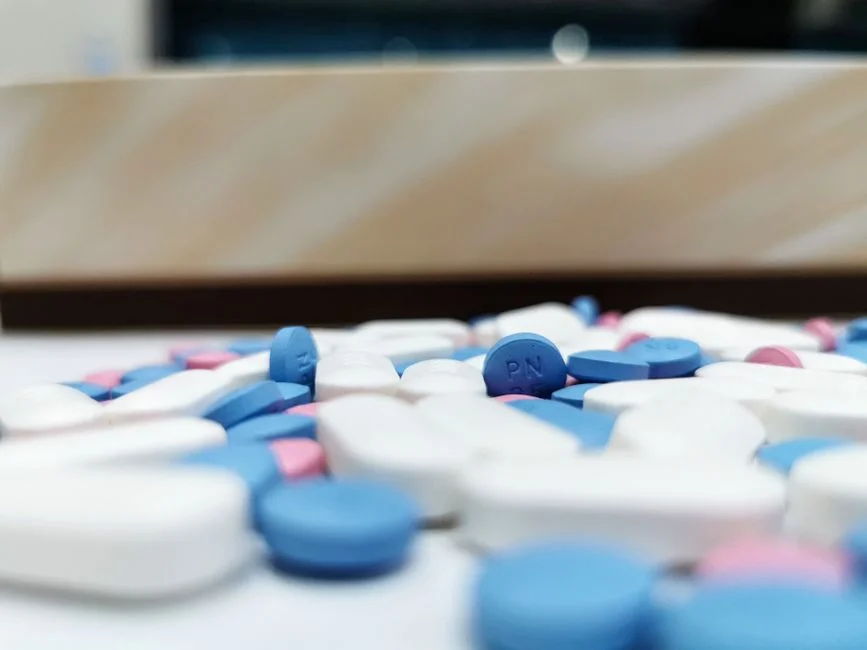
The post follows years of growing discontent over pharmaceutical pricing in the United States, where consumers routinely pay the highest prices in the world for identical medications sold far more cheaply abroad. Healthcare advocates have long pointed to the middleman system of pharmacy benefit managers as a key driver of inflated costs.
Pharmaceutical Industry Under Pressure


The revelation arrives at a particularly sensitive moment for pharmaceutical companies already facing mounting political pressure over pricing practices. Major drug manufacturers have seen their profit margins questioned repeatedly during congressional hearings, with executives defending their pricing as necessary for research and development investment.
Pharmaceutical stocks experienced mixed trading following the viral post, as investors weighed the risk of potential regulatory intervention against the sector's continued strong earnings. Industry analysts noted that while a single social media post cannot shift market dynamics overnight, the underlying sentiment reflects growing consumer anger that could translate into legislative action.
Generic Drug Competition
Generic manufacturers in India have long supplied medications to markets worldwide at significantly lower prices, leveraging lower production costs and different regulatory environments. These pharmaceutical firms operate under strict quality controls mandated by Indian regulators, though imported medications face separate approval processes in the United States. The price disparity raises questions about where value is being captured in the supply chain and whether American patients are subsidising research costs that ultimately benefit global markets.
Market Implications for Healthcare Sector
For investors in pharmaceutical companies, pharmacy benefit managers, and health insurance providers, the episode signals continued reputational and regulatory risk. Healthcare stocks have periodically faced selloffs whenever pricing controversies make headlines, and market participants are closely monitoring whether this particular incident gains traction among policymakers. The sector has shown resilience in the past, but sustained public pressure could influence upcoming legislative sessions.
Private equity firms with investments in pharmacy benefit management companies face particular scrutiny, as these intermediaries sit at the centre of complaints about opaque pricing structures. The market for pharmacy benefit management has consolidated significantly, leaving fewer options for employers and patients seeking transparency.
Regulatory and Legislative Response
Lawmakers from both major political parties have referenced pharmaceutical pricing in their campaigns, though comprehensive reform legislation has stalled repeatedly in Congress. The viral post may strengthen the hand of advocates pushing for measures that would allow greater importation of medications from countries like India and Canada, where government-negotiated prices keep costs lower for consumers.
Regulatory agencies have previously signalled interest in addressing barriers to generic drug competition, recognizing that market exclusivity provisions extend the periods during which manufacturers can charge premium prices without facing alternatives. The Food and Drug Administration has expedited approvals for generic applications, though the impact on consumer prices remains gradual.
What Comes Next
Healthcare analysts will be watching for whether this viral moment translates into concrete policy proposals gaining traction. Congressional hearings on pharmaceutical pricing are scheduled throughout the coming months, and advocacy groups have called for lawmakers to prioritise legislation that addresses the disparity between domestic and imported medication costs. Industry representatives are preparing responses that emphasise the value of American-made pharmaceuticals while acknowledging the tension between innovation incentives and patient accessibility.
For ordinary Americans grappling with prescription costs, the post offers both solidarity and a potential workaround, though importing medications carries legal and safety considerations that require careful evaluation. The conversation sparked by a single individual's experience reflects broader frustrations with an economic system that produces dramatically different outcomes for identical products depending on geography.
See Also
- Trump Confirms May China Visit — Markets React Immediately
- Grace Mondlana's R3,500 Braid Fail Sparks Beauty Sector Audit
The market for pharmacy benefit management has consolidated significantly, leaving fewer options for employers and patients seeking transparency.Regulatory and Legislative ResponseLawmakers from both major political parties have referenced pharmaceutical pricing in their campaigns, though comprehensive reform legislation has stalled repeatedly in Congress. The Food and Drug Administration has expedited approvals for generic applications, though the impact on consumer prices remains gradual.What Comes NextHealthcare analysts will be watching for whether this viral moment translates into concrete policy proposals gaining traction.
What is the latest news about american reveals 1000 drug costs 25 from india pharma pricing under fire?
Why does this matter for education?
What are the key facts about american reveals 1000 drug costs 25 from india pharma pricing under fire?