In a groundbreaking medical achievement, Chinese surgeons have enabled a man who lost both legs above the knee in an accident to walk again. This unprecedented operation was performed at an orthopedic hospital in eastern China, marking a significant advancement in reconstructive surgery. After nearly 20 months of intensive post-operative care and rehabilitation, the patient can now walk indoors using a frame and perform most daily activities without assistance.
Crucially, sensation has returned to the patient's lower legs down to his ankles, a feat rarely accomplished in such cases. The double-thigh replantation not only highlights China's growing prowess in advanced medical procedures but also sets a new benchmark in the field of reconstructive surgery globally.
The Landmark Surgery and Its Details
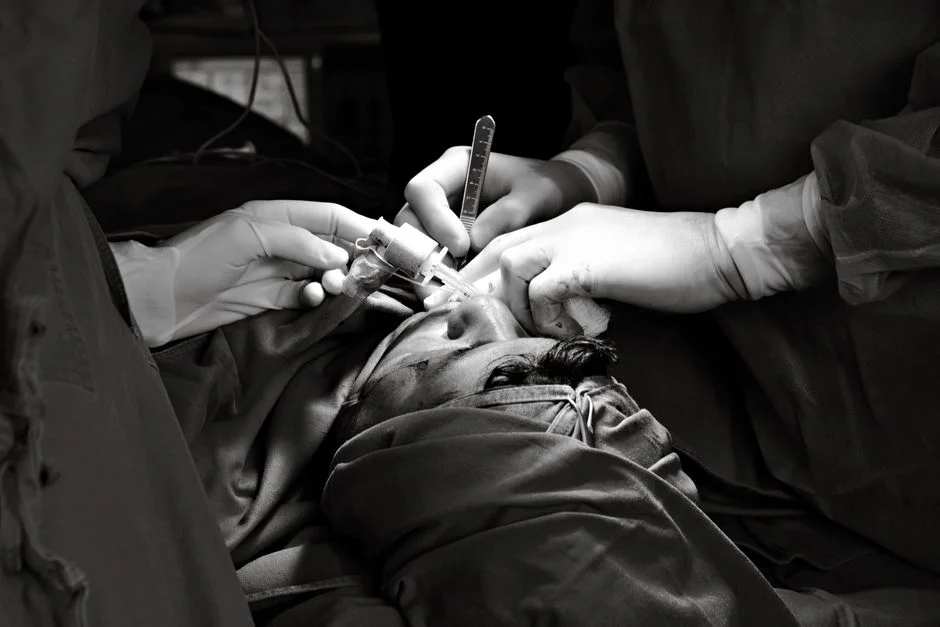
The operation took place in an orthopaedic hospital in eastern China, witnessing a team of surgeons working meticulously to reattach severed limbs, a procedure that required precision and innovation. The surgery involved reconnecting major arteries, veins, muscles, and nerves, a task few medical teams have attempted on such a scale.
The patient, whose identity has been kept confidential, underwent an intense and extended rehabilitation process post-surgery. This included physiotherapy and occupational therapy to strengthen the muscles, enhance mobility, and improve his capacity to manage daily activities autonomously. The success of the operation is attributed to both surgical expertise and the patient's determination to recover.
Dr. Zhang Wei, the lead surgeon, noted that this operation is significant not just for its technical complexity but also for its implications for future surgeries. He explained that the procedure could serve as a model for similar surgeries worldwide, potentially improving quality of life for countless amputees.
This endeavor reflects China's strategic push to advance its medical technology and capabilities. While the nation has historically been regarded as a manufacturing powerhouse, this achievement underscores its growing role in global healthcare innovation.
Why This Development Matters


This surgery is a testament to China's commitment to enhancing its medical infrastructure and technology, which could influence healthcare practices far beyond its borders. With the increasing collaboration between countries in the fields of medical research and practice, such advancements have the potential to revolutionize treatment protocols globally.
The implications for Singapore and the broader Southeast Asian region are significant. As China continues to position itself as a leader in medical innovation, its breakthroughs could pave the way for regional healthcare partnerships and exchanges. This could eventually lead to more advanced treatment options becoming available in Singapore, enhancing the city's position as a regional health hub.
Moreover, the success of this surgery exemplifies the benefits of investing in medical technology and research. It aligns with Singapore's own healthcare goals, emphasizing the importance of innovation in tackling complex medical challenges. As China shares its technological advancements, Southeast Asian countries can potentially leverage these innovations within their own healthcare systems.
For Singapore's medical sector, this development could mean an opportunity to collaborate with Chinese institutions, sharing knowledge and potentially participating in joint medical advancement projects. Such collaborations could further bolster Singapore's reputation as a center of medical excellence in Asia.
Broader Implications of the Achievement
Beyond the medical field, this achievement underscores the broader narrative of China's emergence as a leader in technological and scientific innovation. China's strategic focus on advancing its technological capabilities is not only boosting its domestic industries but also reshaping global supply chains and trade dynamics.
As China continues to innovate, industries across Asia could see shifts in how they operate with respect to technology adoption and implementation. For Singapore, understanding and adapting to these changes could provide a competitive edge, particularly in sectors such as biotechnology and medical electronics manufacturing.
This development also raises questions about regulatory frameworks and competitiveness within Asia. As new medical technologies emerge, countries will need to adapt their regulatory practices to accommodate these advances while ensuring patient safety and ethical standards.
Looking forward, this success story might encourage other medical institutions to invest more heavily in research and innovation. As China's technological influence continues to expand, countries in the region, including Singapore, may find themselves navigating a landscape increasingly defined by rapid advancements and heightened competition.
In the coming months, observers will be keenly watching for further developments from the Chinese medical field. Whether this operation leads to a wider adoption of similar surgeries or inspires additional breakthroughs, its impact on the future of medical science and regional collaboration holds considerable promise.
Potential Challenges and Considerations
While the breakthrough in China represents a remarkable achievement in medical science, it also brings to light several challenges and considerations that need to be addressed. One of the primary concerns is the accessibility and affordability of such advanced medical procedures. As with many cutting-edge technologies, the costs associated with such complex surgeries can be prohibitive, potentially limiting access to only those with significant financial resources or comprehensive insurance coverage.
This raises important questions about healthcare equity, not just within China but globally. For countries like Singapore, which pride themselves on providing high-quality healthcare to all citizens, the challenge will be to integrate such advanced procedures into the public health system without exacerbating inequalities. Policymakers and healthcare providers will need to consider strategies to subsidize costs or provide financial assistance to ensure broader access.
Another key consideration is the training and availability of skilled surgeons and medical personnel capable of performing such intricate operations. The successful outcome of the surgery in China was heavily reliant on the expertise of a highly specialized surgical team. As other countries look to adopt similar techniques, there will be a pressing need to enhance medical education and training programs to produce more specialists in this field.
Moreover, the long-term success of such surgeries depends heavily on post-operative care and rehabilitation. This aspect of patient recovery requires not only medical expertise but also a robust support system involving physiotherapists, occupational therapists, and mental health professionals. Ensuring that patients receive comprehensive care post-surgery is crucial for optimal outcomes, and healthcare systems will need to adapt to provide these multifaceted services.
Ethical considerations also come into play with the advancement of such medical technologies. The prospect of reattaching limbs and restoring mobility is undeniably exciting, but it also poses questions about the boundaries of medical intervention and the potential for unintended consequences. As these technologies develop, continuous ethical scrutiny will be necessary to ensure that patient welfare remains the top priority and that consent processes are thorough and transparent.
The Role of International Collaboration
International collaboration could play a pivotal role in addressing these challenges and maximizing the benefits of such medical advancements. Partnerships between countries could facilitate the sharing of knowledge, resources, and best practices, helping to standardize procedures and improve outcomes across different healthcare systems.
Singapore, with its strong healthcare infrastructure and focus on innovation, is well-positioned to be a leader in fostering such collaborations. By engaging with Chinese medical institutions and other global leaders, Singapore can contribute to the development of international protocols and guidelines for complex surgeries. This collaborative approach could also include joint research projects, clinical trials, and the exchange of medical personnel to enhance skills and expertise.
Furthermore, international partnerships could help address the issue of cost by pooling resources and negotiating with pharmaceutical companies and medical device manufacturers to lower prices. Collaborative efforts could also focus on developing cost-effective technologies and surgical techniques that make advanced treatments more accessible to a wider population.
Looking Ahead: Opportunities for Innovation
As the medical community continues to digest the implications of this groundbreaking surgery, there are numerous opportunities for innovation that could emerge. One area with significant potential is the development of advanced prosthetics and robotics that complement surgical interventions. Integrating these technologies could enhance mobility and functionality for patients, offering them greater independence and quality of life.
In addition, advancements in regenerative medicine, such as stem cell therapy and tissue engineering, could work in tandem with surgical techniques to improve healing and outcomes. These technologies hold promise for faster recovery times and more complete restoration of function, which could revolutionize the field of reconstructive surgery.
For Singapore and other countries in the region, investing in research and development in these areas could yield substantial benefits. By fostering an environment that encourages innovation and supports startups and researchers working on cutting-edge medical solutions, Singapore can maintain its status as a hub for medical excellence and technological advancement.
Ultimately, the success of the double-thigh replantation in China is a reminder of the power of human ingenuity and the potential for medical science to transform lives. As the world watches for the next breakthrough, the focus should remain on ensuring that these advancements are accessible, ethical, and sustainable, paving the way for a healthier future for all.
See Also
- Australia Confirms First Diphtheria Death Amid Worst Outbreak in Decades
- Australia Dominates Eurovision Final as UK Entry Surprises Markets
As with many cutting-edge technologies, the costs associated with such complex surgeries can be prohibitive, potentially limiting access to only those with significant financial resources or comprehensive insurance coverage.This raises important questions about healthcare equity, not just within China but globally. One of the primary concerns is the accessibility and affordability of such advanced medical procedures.