Goods trade among G20 economies recorded a sharp increase during the first quarter of the year, signaling a robust rebound in global demand. This surge comes after months of uncertainty regarding central bank policies and geopolitical friction. Markets in Singapore are already pricing in this positive momentum. The data suggests that the worst of the post-pandemic volatility may be behind us. Investors should note that this trend directly impacts local export-heavy sectors. We examine how this shift affects business strategy and market valuations.
Global Trade Data Reveals Strong Momentum
The International Monetary Fund released figures showing that merchandise exports from the G20 bloc rose significantly in the first three months. This growth outpaced initial forecasts from major banks. The increase was driven by stronger consumption in North America and steady industrial output in Asia. Such data provides a clear counter-narrative to fears of an imminent global recession. It suggests that supply chains are stabilizing faster than anticipated. This stability reduces cost pressures for multinational corporations.
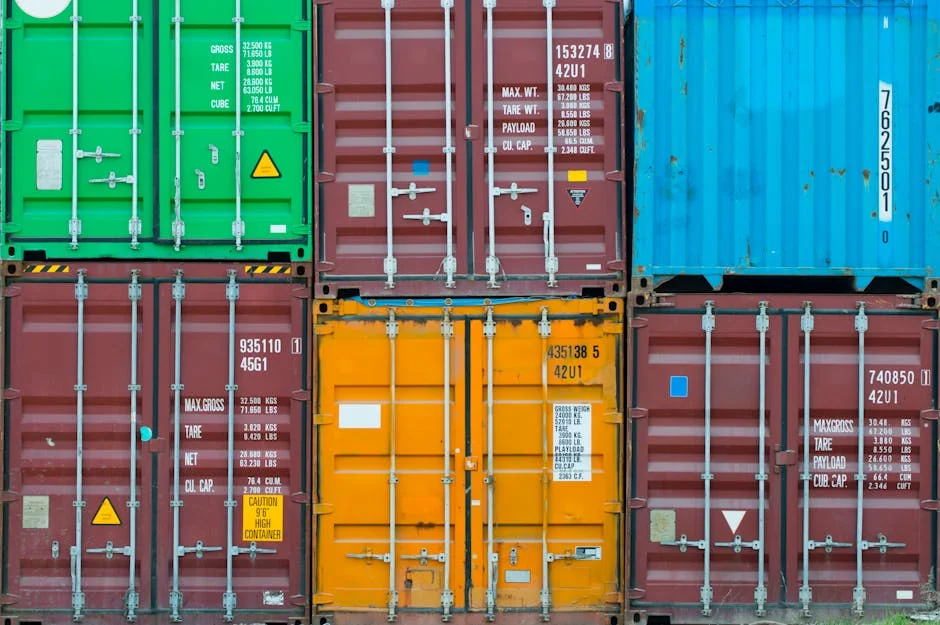
However, the distribution of this growth is uneven. Some economies are pulling ahead while others lag. This divergence creates both opportunities and risks for traders. Investors need to look beyond the aggregate number. The composition of the trade flows matters just as much. High-value goods are seeing stronger demand than commodities. This shift benefits manufacturing hubs more than raw material exporters. Singapore’s position as a manufacturing and logistics hub is therefore critical.
Implications for Singapore’s Export Economy


Singapore’s economy relies heavily on external demand. About three-quarters of the GDP comes from exports. A surge in G20 trade directly translates to higher order books for local firms. This is particularly true for the electronics and chemical sectors. These industries serve as intermediate goods providers to the global market. The increase in G20 activity means factories in Jurong and Tuas are running at higher capacity. This drives up corporate earnings in the near term.
The Monetary Authority of Singapore will closely monitor these trends. Inflationary pressures may rise if global demand heats up too quickly. Import costs for energy and food could increase. This forces the central bank to balance growth against price stability. Businesses must prepare for potential shifts in monetary policy. Interest rate sensitivity will remain a key factor for valuation models. Investors should watch the policy rate decisions in the coming months.
Sector-Specific Opportunities
Certain industries stand to benefit more than others. The electronics sector is seeing renewed strength. This is due to the recovery in consumer spending on devices. The chemical industry is also performing well. Higher global production requires more raw materials and intermediates. These sectors show strong revenue growth potential. Investors looking for alpha should focus on these areas. They offer a direct play on the G20 trade surge.
Logistics and shipping companies are another beneficiary. More goods moving means higher freight volumes. Ports and airports in Singapore will see increased throughput. This boosts revenue for port operators and logistics firms. Air freight rates may stabilize or even rise slightly. This helps airlines that rely on cargo income. The entire supply chain ecosystem gains from this volume increase. It is a broad-based benefit for the trade sector.
Market Reaction and Investor Sentiment
Stock markets in Asia responded positively to the news. The Straits Times Index saw a modest gain in early trading. This reflects investor confidence in the earnings outlook. Fund managers are rotating into cyclical stocks. These assets perform well when global growth accelerates. The tech sector leads the charge due to its export exposure. Financial stocks also benefit from higher transaction volumes. This rotation signals a shift in market sentiment. It moves away from defensive positioning.
However, volatility remains a factor. Geopolitical tensions can quickly disrupt trade flows. Tariff wars between major economies could dampen the momentum. Investors must remain cautious and diversified. The rise is not guaranteed to be linear. External shocks can alter the trajectory. Risk management strategies should account for these variables. Stop-loss orders and hedging become important tools. Prudent investment requires looking at the broader context.
Supply Chain Resilience and Costs
The surge in trade tests the resilience of global supply chains. After years of disruptions, efficiency has improved but is not perfect. Labor shortages in key regions can still cause bottlenecks. Port congestion in Rotterdam and Shanghai affects delivery times. These factors influence the landed cost of goods. Businesses need to optimize their inventory management. Just-in-time models are being revisited for flexibility. This shift impacts working capital requirements for firms.
Freight rates play a crucial role in profit margins. If demand rises faster than supply, shipping costs increase. This squeezes margins for exporters who cannot pass on costs. Importers face higher input prices. This dynamic affects the competitiveness of local products. Companies with strong pricing power will fare better. They can absorb cost increases without losing market share. This analysis is vital for strategic planning.
Central Bank Policies and Currency Flows
Central banks in the G20 are adjusting policies to match growth. The US Federal Reserve and the European Central Bank are key players. Their decisions influence capital flows into emerging markets. A stronger US dollar can pressure local currencies. This affects the competitiveness of exports from non-dollar economies. Singapore’s currency management strategy aims for stability. It balances the basket of major trading partners’ currencies. This helps mitigate exchange rate volatility for businesses.
Interest rate differentials drive investment flows. Higher rates in the US attract capital. This can lead to outflows from Asian markets. However, strong growth prospects in Asia can offset this. Investors look for yield and growth. The G20 trade surge supports the growth narrative. It makes Asian equities more attractive. This helps stabilize currency values. The interplay between rates and trade is complex. It requires continuous monitoring by financial analysts.
Business Strategy Adjustments
Companies must adapt their strategies to the new reality. Market expansion plans should be revisited. The G20 surge indicates untapped demand in certain regions. Firms can accelerate entry into these markets. Supply chain diversification remains a priority. Reducing reliance on single sources mitigates risk. This involves investing in local suppliers or near-shoring. It enhances agility and responsiveness to market changes. Strategic flexibility is a key competitive advantage.
Digital transformation supports these adjustments. Data analytics helps firms track trade flows. Real-time visibility into inventory and logistics improves efficiency. Automation reduces labor costs and errors. These technologies enable businesses to scale quickly. They also improve customer satisfaction through faster delivery. Investing in digital infrastructure pays off in the long run. It positions companies for sustained growth. This is a strategic imperative for modern firms.
Looking Ahead: Key Indicators to Watch
The next few months will provide more clarity. Q2 trade data will confirm or adjust the Q1 trend. Investors should monitor PMI readings from major economies. These indicators offer early signals of manufacturing health. Changes in consumer confidence indices also matter. They reflect the underlying demand drivers. Any deviation from the current trajectory will impact markets. Staying informed allows for proactive decision-making. This ensures businesses can capitalize on opportunities.
Geopolitical developments will continue to influence trade. Trade agreements and tariff adjustments can shift flows. Monitoring policy announcements from G20 leaders is essential. The upcoming summits will set the tone for cooperation. Or they may highlight divisions. These factors create both risks and opportunities. A watchlist of key events helps in planning. The global economy is dynamic and interconnected. Understanding these links is crucial for success.
See Also
- Amar Ambani Warns: Indian Markets Face 3-Trigger Test
- Singapore Police Recover Remains From Crocodile-Infested River — Logistics Stakes Rise
What is the latest news about g20 trade surge signals global demand watch sg exports?
Why does this matter for education?
What are the key facts about g20 trade surge signals global demand watch sg exports?