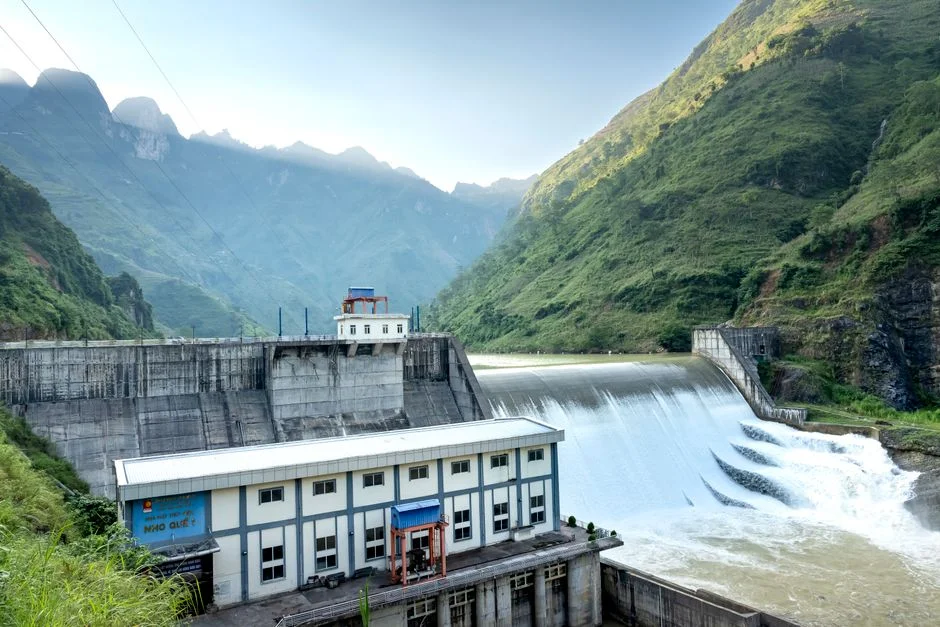
Indonesia's government has imposed sweeping new restrictions on nickel exports, sending shockwaves through Beijing's mining sector and raising questions about the future of billions of dollars in Chinese investment across the archipelago. The Commerce ministry unveiled the policy changes last week, triggering an immediate response from the China Chamber of Commerce, which warned that the new rules could force major investors to reconsider their presence in Indonesia's lucrative nickel industry.
What the New Rules Require
The revised export regulations demand that all nickel shipments undergo additional processing stages within Indonesian borders before leaving the country. Mining companies must now meet higher domestic refining thresholds, effectively banning the export of raw or lightly processed nickel ore. Authorities in Jakarta say the move aims to capture more value from Indonesia's vast mineral wealth rather than shipping unfinished materials overseas. The Commerce ministry confirmed that enforcement will begin within 90 days, giving foreign operators a narrow window to adapt or withdraw.
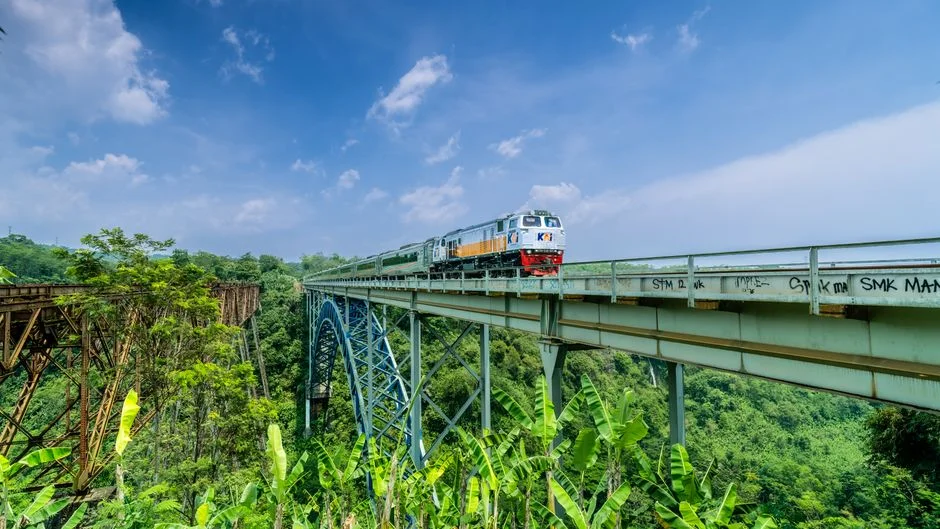
Indonesia sits atop the world's largest nickel reserves, and the archipelago has long been a critical supplier to Chinese stainless steel producers and battery manufacturers. For years, Beijing encouraged its companies to extract Indonesian ore cheaply, process it across the border, and return finished products. The new policy tears up that arrangement.
Beijing's Formal Response

The China Chamber of Commerce for Import and Export of Machinery and Electronic Products issued a formal statement calling the restrictions unpredictable and potentially damaging to bilateral trade ties. The organisation represents hundreds of Chinese companies with operations in Indonesia's mining sector. Chamber officials said the abrupt policy shift undermines legal guarantees previously extended to foreign investors and could breach commitments made under regional trade frameworks.
In private briefings, Chinese executives described the timing as particularly painful. Several nickel processing plants have just completed construction phases financed by multi-year loans. They now face the prospect of operating below capacity or writing off investments entirely. One executive told local media in Guangzhou that the new rules make projects that looked viable six months ago economically unworkable today.
Market Reaction and Price Volatility
Nickel prices on the London Metal Exchange surged 8 percent in the days following the announcement before settling lower as traders weighed competing signals. Analysts say the price spike reflects genuine uncertainty about supply chains rather than fundamental shortages. Indonesia supplies roughly 40 percent of the world's nickel ore, so disruptions in Jakarta reverberate through factories in Jiangsu and Guangdong provinces.
Indonesian state-owned mining companies stand to benefit from reduced competition for processing contracts. Shares in several Jakarta-listed mining firms climbed sharply on the news, suggesting domestic investors view the policy as a net positive for national champions. Meanwhile, Chinese battery makers scrambling for alternative supply sources are eyeing projects in the Philippines and New Caledonia, though those regions lack Indonesia's scale.
The Prabowo Factor
President Prabowo Subianto has made resource nationalism a centrepiece of his economic agenda since taking office. His administration has repeatedly signalled intent to extract greater economic rent from Indonesia's natural wealth rather than allowing foreign companies to profit from basic extraction. The nickel restrictions fit a broader pattern: Indonesia banned nickel ore exports entirely in 2020 before gradually reopening the market under negotiated conditions that benefited domestic refiners.
The president's allies argue that previous arrangements amounted to Indonesia giving away its resources cheaply while other nations captured the manufacturing jobs. Industrial policy experts in Singapore say the approach reflects a deliberate strategy to build domestic downstream industries, even if it strains diplomatic and commercial relationships with major partners.
Investment Implications for Singapore
Singapore serves as the regional headquarters for many multinationals with Indonesian operations, and the nickel policy directly affects trading houses, commodity traders, and banks financing resource projects. Several Singapore-incorporated companies hold stakes in Indonesian nickel ventures or provide logistics and refining services to mining operations.
Supply chain managers at multinational firms are already mapping contingencies. Alternative sourcing arrangements take months to negotiate and legal contracts to finalise. The 90-day enforcement timeline gives companies little breathing room. Commodity traders operating through Singapore ports say inquiries about alternative nickel routes have picked up noticeably since the announcement.
What Happens Next
Diplomats from both countries are expected to meet in the coming weeks to negotiate transitional arrangements. The China Chamber has formally requested a grace period and talks about longer-term exemption frameworks. Whether Jakarta will yield to commercial pressure or hold firm on its nationalist stance remains unclear.
Analysts are watching how aggressively Indonesian authorities enforce the new rules at ports and mining sites. Previous export bans were partially circumvented through unofficial channels, and companies will test whether the government has both the will and capacity to close those gaps this time. The outcome will shape whether Indonesia's resource strategy delivers on its promises or drives away the capital and expertise the country still needs to develop its processing industry.
See Also
- Supreme Court Voids Ibadan PDP Convention — Wike's Backed Group Gains Ground
- Deloitte India Urges Rapid AI Adoption as Economy Shifts - Time for Companies to Act