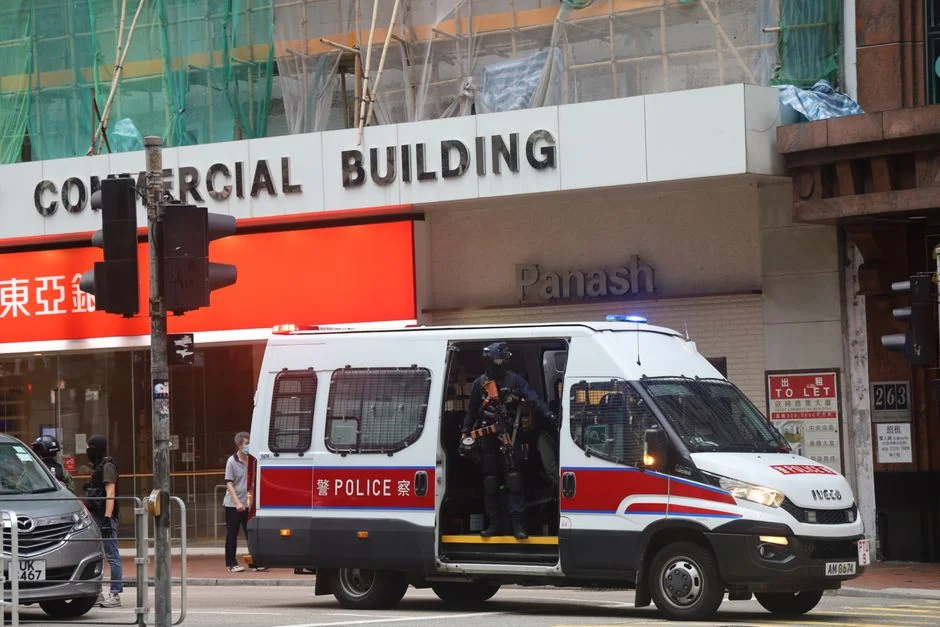
Hong Kong police have issued a direct warning to football fans participating in the ongoing World Cup: using overseas gambling platforms could land you in legal trouble. The warning comes as the tournament enters its decisive phase, with law enforcement authorities ramping up enforcement against illegal betting operations that route through foreign servers.
Police Issue Formal Warning to Fans
Officers confirmed that bettors who access websites hosted outside Hong Kong may still face prosecution under local gambling laws. The force stated that jurisdiction applies not just to operators but also to individual users who place wagers through offshore platforms. This interpretation marks a hardening of enforcement posture during one of the year's most lucrative periods for the global gambling industry.

Authorities have not disclosed specific arrest targets or quota figures for the tournament period. However, police sources indicated that undercover operations and digital monitoring have intensified since the competition began in June. The force declined to name particular platforms being monitored, citing ongoing investigations.
Legal Framework Behind the Crackdown
Hong Kong's Gambling Ordinance prohibits both operating and participating in unauthorized gambling. The law distinguishes between licensed social betting and criminal wagering, though the distinction often hinges on whether the platform holds approval from the Gaming Commission. Overseas operators typically lack such approval, making their use technically illegal for Hong Kong residents regardless of where the servers are located.
Legal experts contacted by local media noted that prosecuting individual bettors remains relatively uncommon. However, the World Cup generates sufficient public attention to make examples of users, particularly those placing significant sums. Penalties for illegal gambling participation can include fines up to HK$30,000 and imprisonment of up to nine months for subsequent offences.
Economic Stakes for Licensed Operators
The timing matters for legitimate businesses. Hong Kong's licensed gambling sector—primarily the Hong Kong Jockey Club—depends on exclusive rights to process sports wagers during major events. Any erosion of that monopoly during peak betting periods directly affects government revenue, since the Jockey Club channels a substantial portion of its profits to charitable causes and tax contributions.
Market analysts estimate that the World Cup generates tens of millions of Hong Kong dollars in betting activity across legal and illegal channels combined. For licensed operators, every dollar wagered through offshore platforms represents lost margin they cannot recover. The Police's stance effectively reinforces the Jockey Club's competitive advantage during the tournament.
Impact on Digital Payment Platforms
The crackdown also has implications for payment processors operating in the region. Authorities have increasingly scrutinised transactions that facilitate transfers to known gambling platforms, prompting some digital wallet providers to implement stricter monitoring during high-profile sporting events. Users have reported difficulties processing transfers to certain international betting sites since the tournament began.
Fan Culture and Risk Behaviours
Despite the warnings, betting exchanges and online forums suggest that fan engagement with World Cup gambling remains robust. Social media channels popular among Hong Kong's football community continue to feature odds comparisons and betting discussions. Some users have responded to police warnings with memes and jokes about using virtual private networks to mask their locations.
Sports analysts note that the social dimension of World Cup betting—watching matches together, pooling resources on accumulator bets—creates cultural friction with strict enforcement. The tournament's status as a global shared experience makes regulatory boundaries feel arbitrary to many participants accustomed to betting during previous editions.
Cross-Border Enforcement Challenges
Police acknowledged that shutting down overseas platforms entirely lies beyond their jurisdiction. Instead, enforcement focuses on users within Hong Kong and any local intermediaries facilitating access. This approach mirrors strategies used during previous World Cups, though digital payment innovations have made it harder to trace individual transactions.
Regional counterparts in Macau face different regulatory landscapes, with the Special Administrative Region maintaining its own gambling licensing regime. Some Hong Kong bettors have historically crossed the border to place larger wagers, though current travel conditions have disrupted that pattern. Authorities have not indicated increased border surveillance for gambling-related activity.
What Happens Next
The tournament runs through mid-July, with the final scheduled for 19 July. Police have indicated that enforcement intensity will remain elevated throughout the competition, with additional resources allocated to monitoring online activity during match hours. Anyone detained during the tournament period will likely face expedited court proceedings to serve as a deterrent message, according to legal observers.
Industry watchers should monitor whether any charges against individual bettors proceed to conviction. A successful prosecution could reshape how Hong Kong residents approach international betting platforms during future major events. The Gaming Commission's next public statement on enforcement priorities is expected after the tournament concludes.
See Also
- Australia Bans Janai Safar’s Bail — SG Investors Watch Migration Risks
- England Defeats New Zealand to Claim T20 Series — What’s Next for Investors?
Users have reported difficulties processing transfers to certain international betting sites since the tournament began.Fan Culture and Risk BehavioursDespite the warnings, betting exchanges and online forums suggest that fan engagement with World Cup gambling remains robust. Some users have responded to police warnings with memes and jokes about using virtual private networks to mask their locations.Sports analysts note that the social dimension of World Cup betting—watching matches together, pooling resources on accumulator bets—creates cultural friction with strict enforcement.
What is the latest news about hong kong police warn world cup fans overseas betting sites could bring fines?
Why does this matter for education?
What are the key facts about hong kong police warn world cup fans overseas betting sites could bring fines?