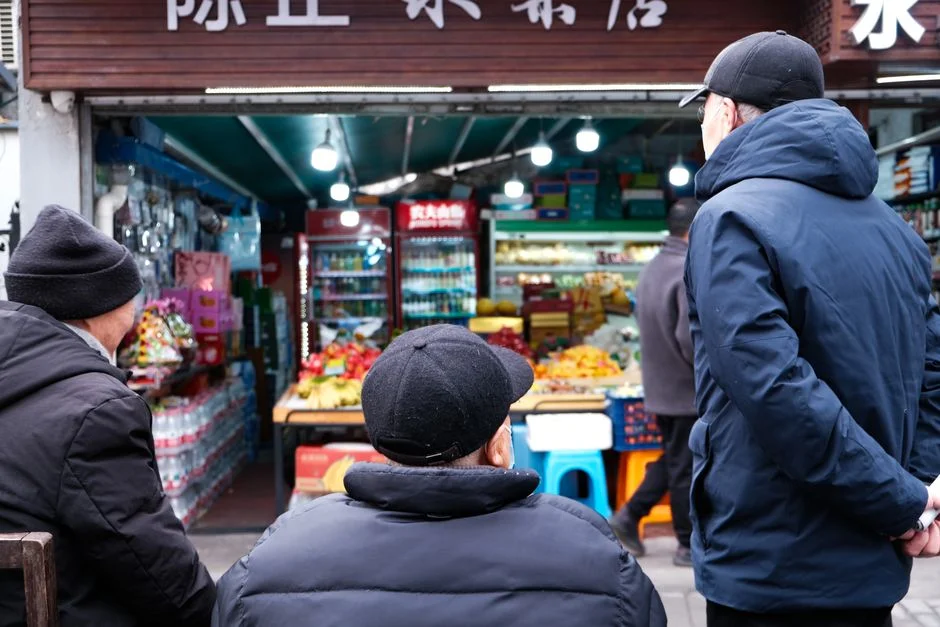
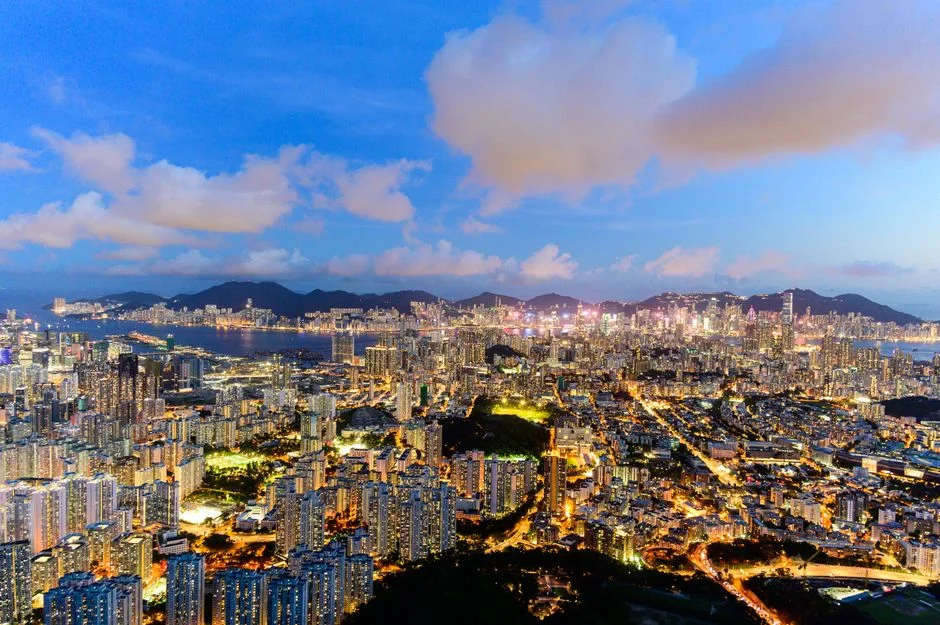
Every weekend, tens of thousands of travellers from mainland China cross into Hong Kong through the Shenzhen checkpoint, armed with individual visit permits that have fundamentally altered the city's retail landscape. What began as a practical travel document has become an economic engine reshaping how Hong Kong does business.
The Permit System That Changed Everything
The Individual Visit Scheme, first introduced in 2003, allows mainland Chinese residents holding valid permits to enter Hong Kong for tourism purposes. Initially limited to selected cities, the programme gradually expanded to cover residents across Guangdong province and beyond. Today, Shenzhen residents alone make millions of short-stay visits annually, with weekend trips forming the backbone of this movement.
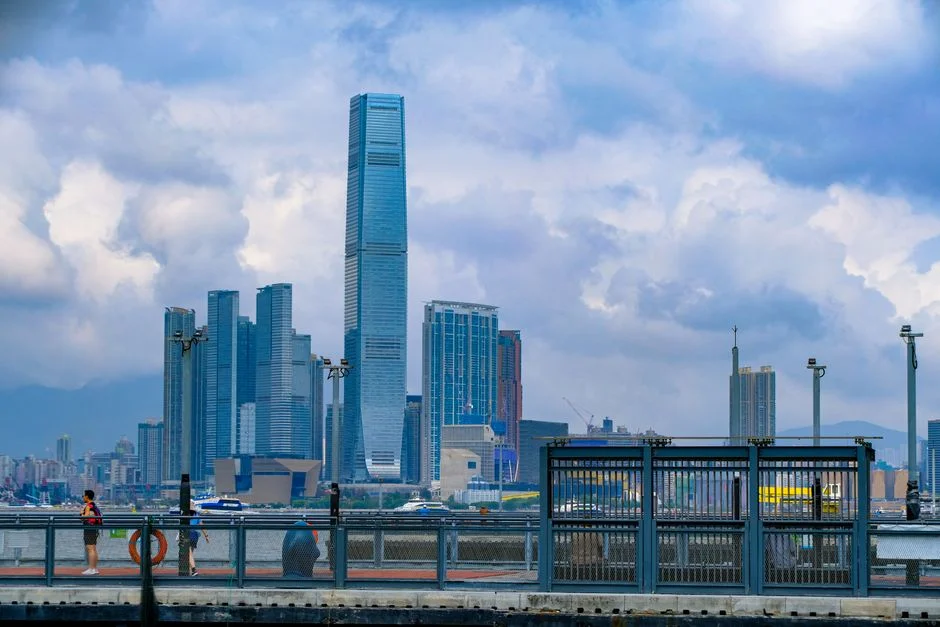
Border crossing points at Lo Wu and Lok Ma Chau have become increasingly congested on Saturdays and Sundays. The volume of foot traffic during these 48-hour windows now rivals weekday figures in some commercial zones, a pattern that has forced retailers, property owners, and city planners to recalibrate their strategies entirely.
Retail Zones Transformed


Hong Kong's traditional shopping districts have experienced a marked shift in customer composition over the past two decades. Areas like Mong Kok, Tsim Sha Tsui, and Causeway Bay now see footfall patterns that spike dramatically on weekend mornings when permit holders begin arriving from Shenzhen.
Pharmacy chains, luxury goods retailers, and electronics stores have adjusted their staffing and inventory specifically to serve this weekend surge. Some shops have extended operating hours, while others have restructured their floor layouts to accommodate larger tour groups that typically follow predictable routes through commercial corridors.
Property and Rental Implications
Rental values in areas with high concentrations of permit-holder traffic have followed an upward trajectory that distinguishes them from quieter districts. Landlords with properties near border crossing points have leveraged the predictable weekend demand to command premium rates from tenants whose business models depend on Chinese visitor spending.
This dynamic has created secondary effects in the broader property market, influencing everything from shopfront valuations to residential property investment calculus in northern Hong Kong.
Economic Ripples for Singapore
For Singaporean businesses and investors, the Hong Kong border phenomenon carries instructive lessons. The city-state's retail sector has long competed with Hong Kong for Chinese tourist expenditure, and shifts in spending patterns triggered by permit policies have a direct bearing on regional tourism flows.
Singapore's shopping malls and tourist-facing businesses monitor Hong Kong weekend traffic data as a leading indicator of broader travel trends. When Chinese visitor numbers to Hong Kong surge during holiday periods, analysts typically see corresponding movements in outbound travel statistics that affect other regional destinations.
Investors holding stakes in retail REITs or tourism-linked equities across Southeast Asia track these border dynamics closely. The permit-driven flow of Chinese visitors into Hong Kong represents a quantifiable demand signal that influences allocation decisions and expansion planning for regional retail operators.
Currency and Spending Power Dynamics
The exchange rate differential between the Hong Kong dollar and mainland Chinese currency creates measurable purchasing power advantages for permit holders. When Shenzhen residents cross into Hong Kong, their yuan-denominated income effectively stretches further in a city where imported goods often carry price tags lower than equivalent items in mainland stores.
This currency arbitrage effect has contributed to the growth of parallel trading activities, where individuals purchase goods in Hong Kong for resale across the border. The phenomenon has drawn regulatory attention and occasional policy responses, but the underlying economic incentive remains embedded in the exchange rate structure.
What Comes Next
Hong Kong authorities continue to evaluate the permit programme's scope and eligibility criteria. Any further expansion of eligible cities or permit categories would likely intensify the weekend border traffic that already characterises the current pattern.
Singapore investors and business operators should watch for policy announcements regarding the Individual Visit Scheme's future direction. Changes to permit issuance, permitted stay duration, or eligible destination categories could reshape the competitive dynamics of regional tourism spending. Quarterly retail sales data from Hong Kong's border districts will serve as a real-time barometer of how these flows are evolving.
See Also
- Loh Kean Yew Aims for Historic Singapore Open Title on Home Turf
- Oscar Rule Shift Triggers $50M Boost for India’s Film Sector
The city-state's retail sector has long competed with Hong Kong for Chinese tourist expenditure, and shifts in spending patterns triggered by permit policies have a direct bearing on regional tourism flows.Singapore's shopping malls and tourist-facing businesses monitor Hong Kong weekend traffic data as a leading indicator of broader travel trends. When Chinese visitor numbers to Hong Kong surge during holiday periods, analysts typically see corresponding movements in outbound travel statistics that affect other regional destinations.Investors holding stakes in retail REITs or tourism-linked equities across Southeast Asia track these border dynamics closely.
What is the latest news about shenzhen permits redefine hong kong weekends heres what changed?
Why does this matter for world-affairs?
What are the key facts about shenzhen permits redefine hong kong weekends heres what changed?