Families of Tiananmen Square victims say Chinese authorities blocked them from visiting graves on the anniversary, describing security checkpoints and surveillance near cemeteries in what activists call a pattern of enforced silence around the 1989 crackdown.
Anniversary restrictions tighten
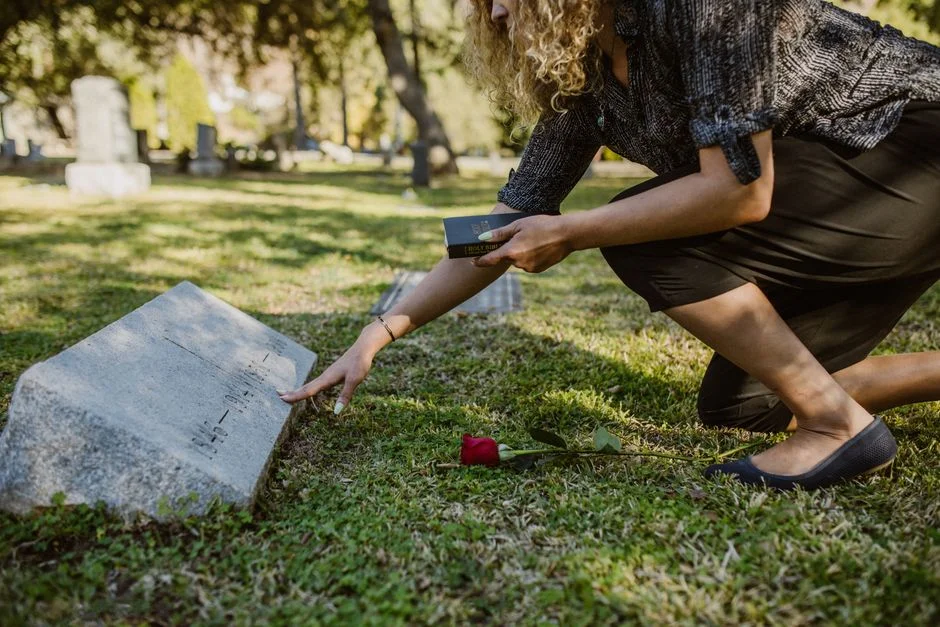
Relatives who attempted to visit burial sites on the June 4 anniversary said security personnel prevented access at checkpoints. In one account, a family member told reporters they were turned away from a cemetery in a northern Chinese province and ordered to return home. Security presence near grave sites intensified compared with previous years, according to accounts collected by human rights groups.
The restrictions come as Beijing maintains its decades-long prohibition on public discussion of the events surrounding the 1989 military crackdown. Official records of that day remain classified, and online searches for related terms continue to return filtered results inside mainland China.
Families describe checkpoint confrontations
Several families confirmed they received warnings in the days before the anniversary instructing them to stay away from grave sites. One relative, speaking on condition of anonymity, described security officers stationed at the entrance to a cemetery in Hebei province. "We were told the site was closed for maintenance," the family member said. "There were no maintenance crews. Just police."
Activists documented at least three provinces where families reported similar restrictions. A Hong Kong-based monitoring group tracked the movements of known relatives, noting increased official attention in the weeks leading up to June 4. The group recorded phone calls from relatives saying they felt unable to leave their homes without being followed.
Economic signals amid political tightening
The anniversary restrictions coincide with broader concerns about China's investment climate. Foreign businesses have increasingly flagged regulatory unpredictability and political interference as risk factors in their China operations. A survey of multinational companies conducted earlier this year showed confidence in the Chinese market at its lowest point in a decade.
Singapore-based investors with exposure to Chinese assets have cited governance concerns as a factor in portfolio decisions. The tighter controls around sensitive dates reinforce perceptions that political considerations can override commercial logic in China, analysts say. That perception shapes risk premiums and capital allocation decisions across the region.
Market reaction and investor positioning
Chinese equity markets showed limited reaction to the anniversary restrictions, which were consistent with existing patterns. However, traders noted that any escalation in political tightening typically creates uncertainty that spills into market sentiment. The CSI 300 index traded within a narrow range during the anniversary period, reflecting broader concerns about domestic consumption and property sector weakness rather than political developments.
Some portfolio managers have increased allocation to Southeast Asian markets as an alternative to concentrated China exposure. Singapore's Straits Times Index has benefited from flows attributed partly to de-risking from mainland markets. The pattern aligns with broader diversification trends observed across institutional investors in the region.
Regional implications for Singapore
Singapore maintains significant economic ties with China, including through the bilateral Singapore-China free trade agreement and the bilateral swap arrangement supporting the Singapore dollar. Financial institutions headquartered in Singapore hold substantial exposure to Chinese debt and equity markets.
The Monetary Authority of Singapore has not commented publicly on political risk developments in China. However, central bank communications have increasingly referenced the need for financial institutions to stress-test scenarios involving external shocks, a framing that analysts interpret as indirect acknowledgment of geopolitical volatility.
What comes next
Human rights groups plan to document additional cases of restricted movement during the anniversary period, compiling evidence for international reporting mechanisms. The families who spoke to reporters said they would attempt to visit graves again in coming weeks, when security presence typically decreases.
Businesses and investors will watch for whether the pattern of anniversary restrictions intensifies or relaxes in future years. The next major sensitive date falls in October, when national day commemorations bring their own set of security protocols. That period will test whether Beijing maintains the current approach or signals any adjustment to its handling of politically sensitive anniversaries.
See Also
- UK India Healthcare Pact Triggers $100 Billion Market Surge
- Thailand Slashes Tourist Visas — Hotels Face Revenue Shock
The CSI 300 index traded within a narrow range during the anniversary period, reflecting broader concerns about domestic consumption and property sector weakness rather than political developments.Some portfolio managers have increased allocation to Southeast Asian markets as an alternative to concentrated China exposure. The pattern aligns with broader diversification trends observed across institutional investors in the region.Regional implications for SingaporeSingapore maintains significant economic ties with China, including through the bilateral Singapore-China free trade agreement and the bilateral swap arrangement supporting the Singapore dollar.