The United Nations children's agency has issued a stark warning from Geneva: the ongoing Middle East conflict is draining resources that African nations desperately need to protect their most vulnerable populations. The war's economic shockwaves are now reaching deep into the continent, disrupting humanitarian supply chains and forcing governments to make impossible choices between competing crises. For businesses and investors watching African markets, the fallout signals growing instability in a region already navigating significant economic headwinds.
The Economic Ripple Effect Hits Home
Humanitarian organisations operating in Africa rely heavily on funding from Western donors, particularly the United States and European nations. As those governments funnel billions into their own Middle Eastern strategic interests, the aid budget available for African child welfare programmes has begun to shrink. Officials at the UN agency confirmed that emergency appeals for food, medicine, and shelter in sub-Saharan Africa are receiving significantly smaller contributions than in previous years. The knock-on effect for African ministries tasked with filling those gaps is severe.
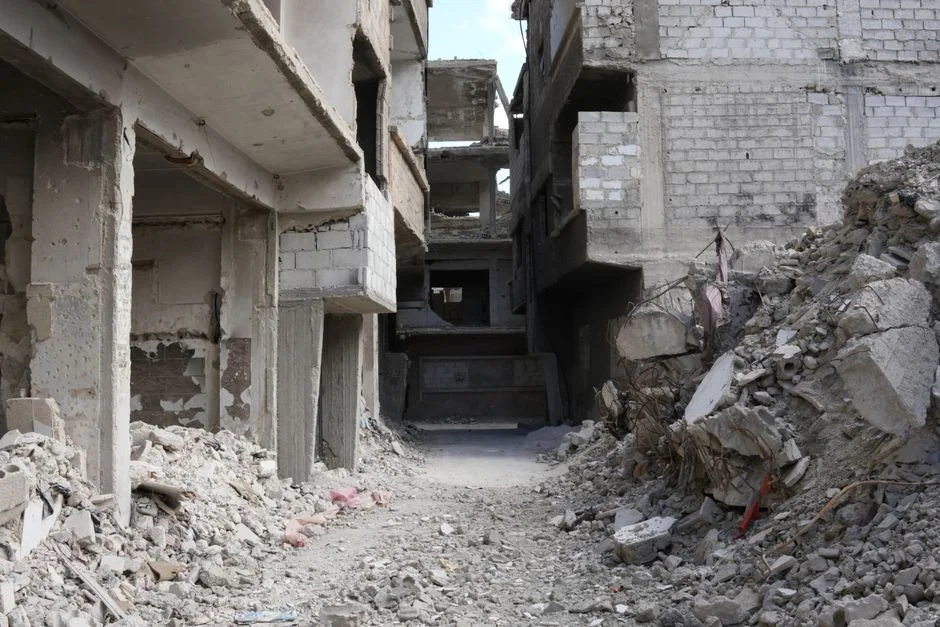
Commodity markets across the continent have also felt the pressure. Supply routes that once delivered affordable grain and medical supplies to East African nations now face bottlenecks, driving up prices in markets from Nairobi to Dakar. Local businesses that depend on imported goods are passing those costs onto consumers, squeezing household budgets already stretched thin. The economic strain translates directly into reduced purchasing power for families trying to put food on the table.
Displacement Destabilises Neighbouring Economies

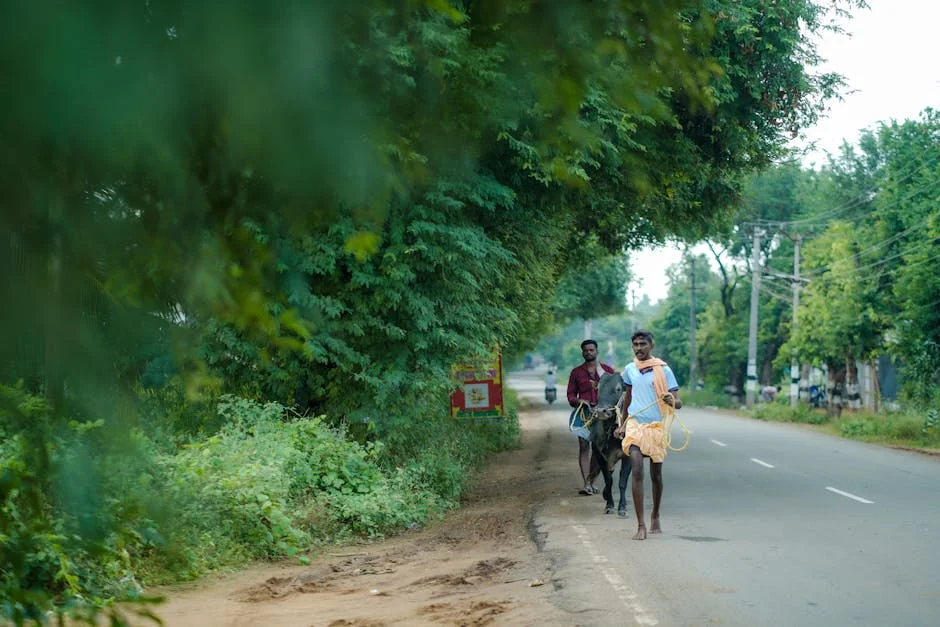
Millions of people displaced by the Middle East conflict have created secondary migration flows into North Africa and the Horn of Africa. Countries already managing their own internal challenges are now absorbing additional pressure on housing, healthcare, and schooling systems. The UN agency documented how schools in border regions are overcrowded and under-resourced, with African children competing for spots with newly arrived families. Economists tracking these flows warn that the strain on public services could slow growth in affected nations by several percentage points over the next two years.
For investors considering projects in the region, the data presents a cautionary picture. Political instability often follows humanitarian crises, and businesses with operations in countries hosting large displaced populations face elevated operational risks. Insurance costs are climbing, and supply chain reliability has become harder to guarantee. Several multinational companies have quietly begun reviewing their exposure to East African markets, according to industry sources tracking corporate planning documents.
What Comes Next for Donors and Markets
The UN agency has called on wealthier nations to honour their existing aid commitments rather than redirecting funds to new crises. Whether that appeal will succeed remains uncertain. The United States Congress is currently debating foreign assistance allocations, and advocacy groups in Washington are pushing hard to protect Africa funding. A decision is expected before the end of the current fiscal year.
For Singaporean businesses with interests in African markets, the lesson is straightforward: instability elsewhere creates exposure here. Commodity price volatility, shifted trade flows, and reduced consumer purchasing power in key growth markets all carry implications for regional supply chains. Watching how donor governments allocate their humanitarian budgets in the months ahead will offer clues about which African economies can absorb the shock — and which ones cannot.
See Also
- Congress MLA Disqualified from Assembly Amid Legal Row
- TSA Crisis Sparks Travel Chaos as Democrats’ Shutdown Persists
Commodity price volatility, shifted trade flows, and reduced consumer purchasing power in key growth markets all carry implications for regional supply chains. The UN agency documented how schools in border regions are overcrowded and under-resourced, with African children competing for spots with newly arrived families.
What is the latest news about un agency warns middle east war is starving africas children of resources?
Why does this matter for politics-governance?
What are the key facts about un agency warns middle east war is starving africas children of resources?