Malaysia's government has proposed barring minors from accessing social media platforms, a sweeping measure that has ignited fierce debate over child protection, data privacy, and the economic fallout for technology companies operating in Southeast Asia. The proposal, announced by Communications Minister Fahmi Fadzil, would prohibit users under the age of 18 from creating accounts on platforms such as Facebook, Instagram, TikTok, and X. If enacted, the policy would position Malaysia among the most restrictive jurisdictions globally in regulating youth access to online services.
What the ban would require
Under the proposed legislation, social media companies would be required to implement robust age verification systems before granting account access. Platforms that fail to comply with the mandate could face substantial financial penalties, according to a policy briefing released by the Ministry of Communications and Digital. The government has set a public consultation period ending in April before tabling the bill in parliament. Malaysia is home to approximately 34 million people, with a significant portion of its population actively using social media platforms for commerce, communication, and entertainment.
Platform operators respond with caution


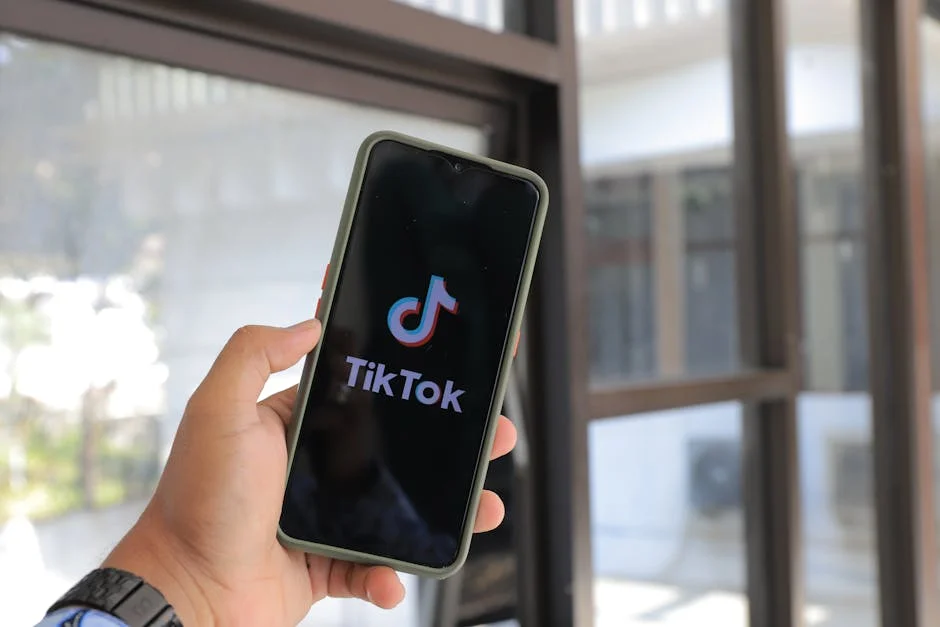
Major technology companies have expressed concern about the practical challenges of enforcing such a ban. Meta Platforms, which owns Facebook and Instagram, said in a statement that it supports efforts to protect young users but questioned whether blanket bans would achieve better outcomes than existing safety tools. TikTok, owned by ByteDance, declined to comment specifically on pending legislation but noted that it already restricts certain content for younger users through its app settings. Both companies maintain large user bases in Malaysia and generate significant advertising revenue from the market. The proposed restrictions could force platforms to redesign their services for Malaysian users, a process that would require substantial investment in verification technology.
Privacy advocates raise concerns
The proposal has drawn sharp criticism from digital rights organisations. SUHAKAM, Malaysia's Human Rights Commission, warned that mandatory age verification could create new privacy risks by requiring platforms to collect sensitive personal data, including government-issued identification documents, from millions of users. The commission argued that the cure could prove worse than the disease if such data collections become targets for cyberattacks. Electronic Frontier Foundation, a global digital rights group, echoed those concerns, stating that requiring identity verification at scale would create surveillance infrastructure with serious implications for freedom of expression. The debate has exposed a fundamental tension: protecting minors online while preserving the privacy rights of all users.
Business implications for Singapore companies
For Singapore-based businesses with operations or marketing activities in Malaysia, the proposed ban carries immediate consequences. Digital marketing agencies that rely on social media advertising to reach Malaysian consumers aged 18 to 35 may need to recalibrate their strategies. E-commerce platforms that use Facebook and Instagram for customer acquisition could see their cost-per-acquisition rise as the addressable audience shrinks. Cross-border digital service providers, particularly those offering online education or entertainment subscription services, are monitoring the situation closely as regional regulatory trends often spread across borders.
Market reaction and investor concerns
Shares in technology companies with significant exposure to Southeast Asian markets showed muted reactions following the announcement, as investors await more concrete details about enforcement mechanisms and timelines. Regional technology stocks have faced pressure in recent months amid broader concerns about tightening digital regulations across the Association of Southeast Asian Nations bloc. Indonesia recently implemented regulations requiring social media companies to secure licenses before operating in the country, a move that affected ByteDance's TikTok operations. Malaysia's proposed ban fits a pattern of increasing government intervention in platform economics across the region.
Economic impact on digital advertising
Malaysia's digital advertising market was valued at approximately 1.1 billion ringgit in 2023, according to industry data, with social media platforms capturing the largest share of that spending. A ban restricting access for users under 18 would remove a meaningful segment of that market, particularly for platforms such as TikTok where younger demographics represent a disproportionate share of daily active users. Advertisers targeting youth-oriented products and services would bear the most direct impact, though the overall advertising ecosystem would experience ripple effects as platforms adjust pricing models to account for reduced audience reach.
Regional regulatory context
The Malaysian proposal reflects a broader shift in how governments across Asia approach platform regulation. Australia has already enacted legislation requiring social media companies to obtain parental consent for users under 16, while several European Union member states are developing similar frameworks under the bloc's Digital Services Act. The variation in national approaches creates compliance challenges for platforms that operate across multiple jurisdictions, potentially leading to fragmented user experiences and increased operational costs. Southeast Asian nations have historically followed different regulatory trajectories, and Malaysia's move could signal a more interventionist stance from Kuala Lumpur.
What happens next
The public consultation period running through April will determine whether the proposed ban undergoes significant modifications before reaching parliament. Technology companies are expected to submit detailed feedback during the consultation phase, potentially advocating for alternative measures such as enhanced parental controls or time-limited access rather than outright prohibition. Consumer groups and child welfare organisations are likely to present research on the potential benefits of restricting youth access to social media. Parliamentary debate on the bill is expected to begin in the second half of the year, with a final vote unlikely before the fourth quarter. Investors and business operators should watch for amendments that could narrow or broaden the scope of the proposed restrictions, as the final legislative text will shape compliance requirements for years to come.
See Also
- Chelsea Misses Pedro in World Cup Squad — Shareholders Watch
- IOC Restricts Female Events to 'Biological Females' — Athletes and Sponsors React