Kenya has emerged as the unexpected epicenter of a booming black market for giant harvester ants, with Nairobi serving as the primary logistical hub for shipments bound for Europe. This illicit trade, driven by high demand in the global pet trade, has exposed significant vulnerabilities in the country's export controls and customs enforcement mechanisms. The surge in smuggling activities is not merely a biological curiosity but a growing economic concern that threatens both local biodiversity and national revenue streams.
The Mechanics of the Nairobi Ant Trade
The trade operates with surprising sophistication, utilizing everyday items to mask high-value biological assets. Smugglers frequently conceal live *Pachycondyla* ants inside empty medical syringes, leveraging the mundane appearance of the containers to bypass standard airport security scans. This method allows for the transport of hundreds of individual insects in a single, compact package, maximizing volume while minimizing detection risk. The primary departure point is Jomo Kenyatta International Airport, where cargo volumes are high and inspection resources are often stretched thin.
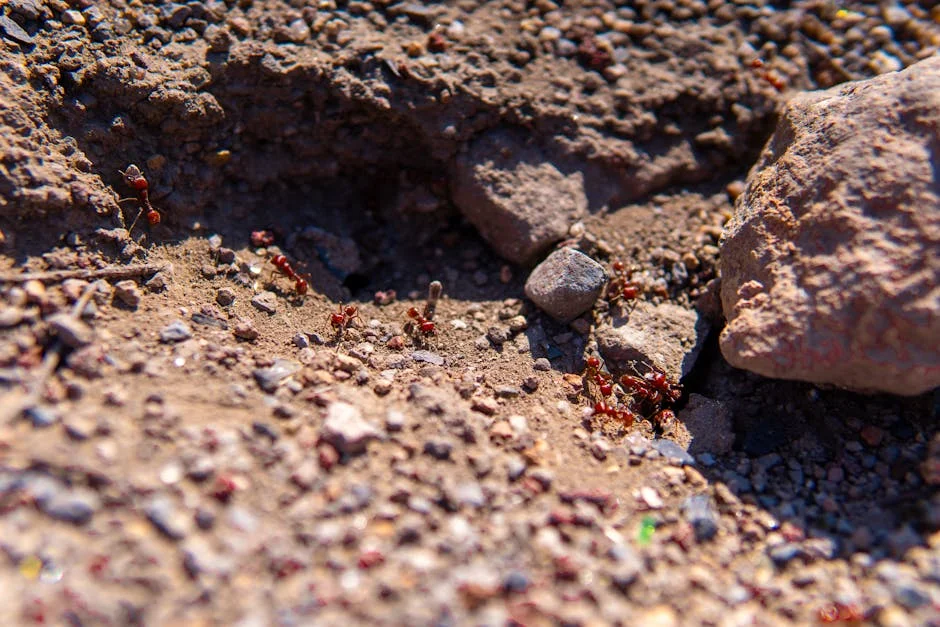
European buyers, particularly in the Netherlands and Germany, are willing to pay premium prices for these specific ant species. The economic incentive is clear: a single colony can fetch upwards of $500 to $1,000 USD, depending on the size and health of the queen ant. For local collectors in the Kenyan highlands, this represents a significant source of income compared to traditional agricultural yields. The profit margins drive a steady flow of inventory from rural collection sites to urban consolidation points in Nairobi.
Supply Chain Vulnerabilities
The current logistics network relies heavily on informal networks of collectors, middlemen, and freight forwarders. This lack of formalization makes it difficult for regulators to track the volume of ants leaving the country. Most transactions occur in cash or via mobile money transfers, leaving a fragmented digital trail for auditors to follow. The absence of a centralized registry for exotic insect exports means that thousands of ants leave Kenya annually without contributing significantly to the national GDP through formal taxation.
Freight forwarding companies in Nairobi face increasing pressure to vet their cargo more thoroughly. However, without specific mandates to inspect biological goods at the micro-level, many operators treat ant shipments as low-risk commodities. This regulatory gap allows the black market to flourish, as the cost of thorough inspection often outweighs the perceived risk of a missed shipment. Businesses in the logistics sector are now calling for clearer guidelines to protect their reputations and streamline operations.
Economic Implications for Local Markets


The rise of the ant trade has created a ripple effect on local economies in regions where the ants are harvested. In areas like the Aberdare Range and the Kenyan highlands, local communities have shifted labor from traditional farming to ant collection. This shift can lead to short-term income boosts but poses long-term risks to food security and land use. When labor moves from crops to insects, the opportunity cost for agricultural output increases, potentially affecting local food prices and availability.
Investors in the Kenyan agricultural sector are beginning to monitor this trend closely. The diversion of labor and land resources could impact yields for high-value crops such as tea and coffee, which are staples of Kenya's export economy. If the ant trade continues to grow unchecked, it could create subtle but measurable distortions in the local labor market. Investors need to assess whether the booming insect trade is a niche phenomenon or a structural shift in rural economic behavior.
Furthermore, the black market nature of the trade means that much of the wealth generated remains untaxed. The Kenyan Revenue Authority (KRA) is losing out on potential income tax and value-added tax (VAT) contributions from this sector. Formalizing the trade could unlock significant revenue streams for the government, but it requires robust tracking systems and enforcement capabilities. The current informal structure limits the government's ability to capture economic value from this unique export.
Legal Challenges and Court Developments
The legal framework surrounding the export of exotic insects in Kenya is currently undergoing intense scrutiny. Recent court cases in Nairobi have highlighted the ambiguities in existing wildlife protection laws. The Nairobi Magistrates' Court has seen a spike in cases involving smugglers charged under the Wildlife Conservation and Management Act. These proceedings are critical in defining how strictly the government will enforce export quotas and licensing requirements.
Legal experts note that the current penalties for smuggling ants are often considered too lenient to serve as a strong deterrent. Fines for first-time offenders may amount to only a fraction of the profit made from a single large shipment. This discrepancy creates a calculated risk for smugglers, who view the legal penalties as a cost of doing business rather than a severe threat. The courts are now being called upon to interpret the severity of the offense, with prosecutors arguing for stricter classifications of the crime.
The outcome of these court cases will set important precedents for future enforcement. If the courts impose heavier sentences or higher fines, it could significantly alter the risk-reward calculation for smugglers. Conversely, if the legal response remains mild, the black market is likely to expand further. Investors and businesses in the regulatory technology sector should watch these developments, as they may signal a need for new compliance tools and services.
Impact on European Importers and Markets
European importers are facing increasing uncertainty regarding the supply chain stability of giant harvester ants. As Kenya tightens its enforcement or as court cases create bottlenecks, the flow of ants to Europe may become more erratic. This volatility can lead to price spikes in the European market, affecting both hobbyists and commercial breeders. Importers who rely on just-in-time delivery models may find themselves needing to hold larger inventories, tying up capital and increasing storage costs.
Regulatory bodies in Europe are also beginning to look more closely at the origin of these biological imports. The European Union's emphasis on sustainable sourcing and biodiversity conservation means that Kenyan exports must meet stricter environmental standards. If the black market in Nairobi is seen as a source of unsustainable harvesting, European regulators may impose additional tariffs or import restrictions. This could further complicate the trade and increase costs for businesses on both sides of the transaction.
Businesses in the European pet trade are advised to diversify their supply chains to mitigate these risks. Relying too heavily on a single source in Nairobi could expose them to sudden disruptions caused by legal or environmental changes in Kenya. Companies that invest in direct relationships with licensed Kenyan exporters may find themselves better positioned to navigate the evolving regulatory landscape. This shift towards formalization could benefit established businesses with the resources to invest in compliance.
Investment Perspectives and Future Outlook
For investors, the ant smuggling boom presents both risks and opportunities. The primary risk lies in the potential for regulatory crackdowns that could disrupt the informal supply chain. However, there is also an opportunity for companies that can provide formalization solutions, such as tracking technology, licensing services, and logistics optimization. Investing in firms that specialize in exotic biological exports could yield returns as the market matures and becomes more regulated.
The broader economic impact on Kenya depends on how effectively the government manages this emerging trade. If the trade is formalized, it could become a new export sector that contributes to GDP and creates jobs. However, if left unregulated, it could lead to environmental degradation and lost tax revenue. Investors should monitor policy announcements from the Ministry of Environment and the Kenya Revenue Authority for signals of upcoming regulatory changes.
The intersection of biology, commerce, and law in Nairobi offers a unique case study in emerging market dynamics. As the black market for giant harvester ants continues to evolve, it will test the adaptability of both local businesses and international regulators. The coming months will be crucial in determining whether this trade becomes a structured industry or remains a chaotic black market. Stakeholders should prepare for increased scrutiny and potential shifts in supply chain logistics.
Readers should watch for upcoming legislative proposals from the Kenyan Parliament aimed at clarifying the export status of exotic insects. The next quarterly report from the Kenya Revenue Authority will also provide insights into any new tax initiatives targeting the biological export sector. These developments will offer clearer signals on how the government plans to capture value from this growing trade.
See Also
- Fifa Broadcast Crisis Hits China, India Markets
- Myanmar Explosion Kills Dozens, Threatening Stability of Rebel-Held Regions
Impact on European Importers and Markets European importers are facing increasing uncertainty regarding the supply chain stability of giant harvester ants. The broader economic impact on Kenya depends on how effectively the government manages this emerging trade.