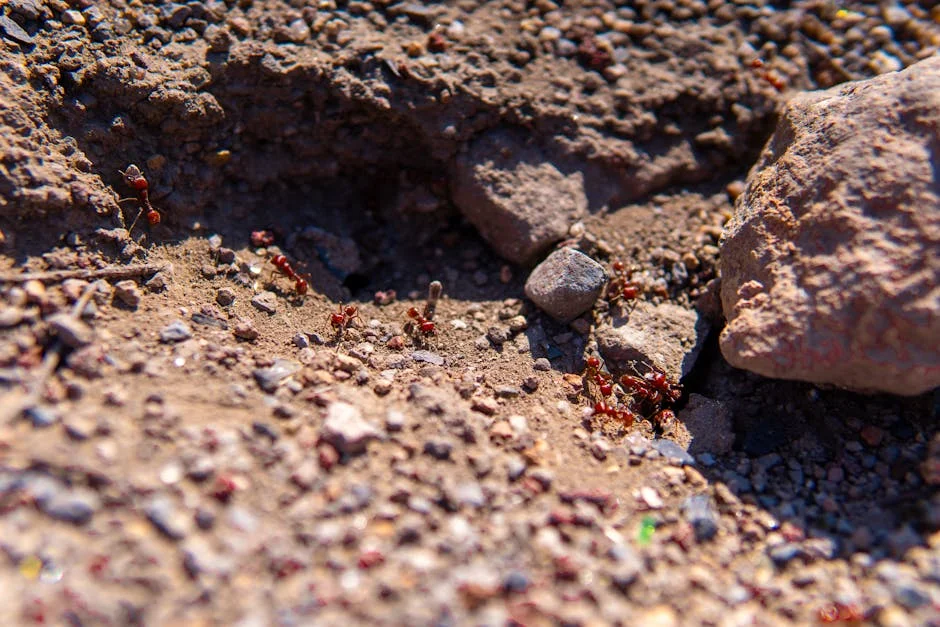
Kenyan authorities have uncovered a sophisticated black market network in Nairobi, revealing how giant harvester ants are being smuggled out of the country in medical syringes. This bizarre trade route exposes significant vulnerabilities in the nation’s export controls and logistics infrastructure. The discovery sends a stark warning to investors and businesses regarding the depth of regulatory gaps in the East African hub.
Uncovering the Syringe Smuggling Network
Customs officials at Jomo Kenyatta International Airport recently intercepted a shipment that appeared deceptively ordinary. Upon closer inspection, agents found hundreds of giant harvester ants, scientifically known as *Pogonomyrmex*, hidden inside hollowed-out medical syringes. The insects were destined for European markets, where they command high prices for their aggressive defensive behaviors and unique exoskeletons.

This method of concealment highlights the ingenuity of smugglers who are exploiting gaps in standard X-ray screening protocols. Medical supplies often receive expedited clearance, allowing these biological assets to slip through the net. The scale of the operation suggests a well-organized syndicate rather than a one-off opportunistic haul.
Local law enforcement agencies have confirmed that the ants were collected from rural areas in central Kenya before being transported to the capital. The logistics chain involves multiple handoffs, making it difficult to trace the original collectors. This complexity adds a layer of risk for downstream buyers who rely on consistent supply chains.
Market Dynamics of the Exotic Pet Trade

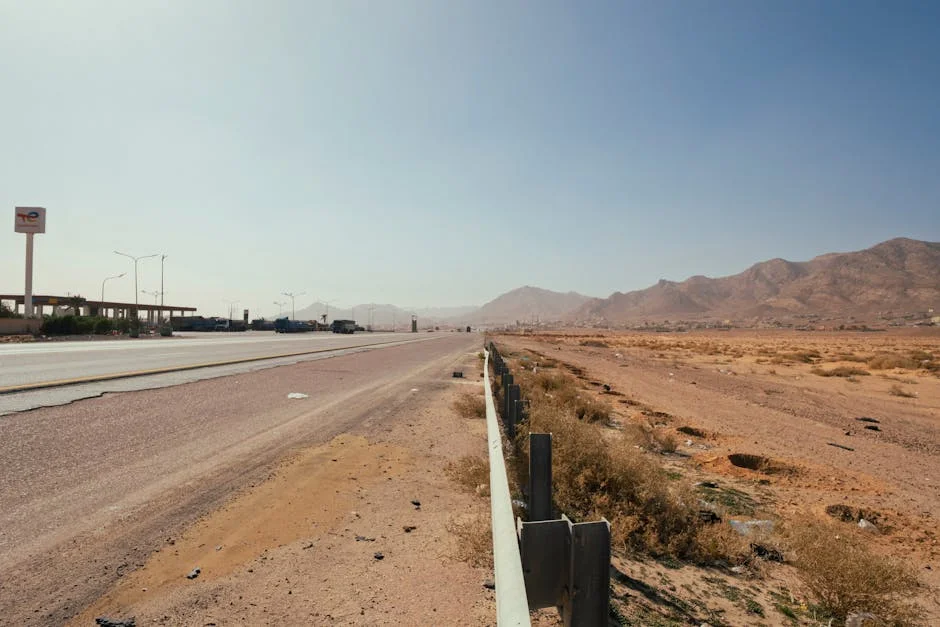
The global market for exotic insects is expanding rapidly, driven by demand from European collectors and research institutions. Giant harvester ants are particularly prized for their size and temperament, often fetching prices that exceed traditional livestock per unit. This high value creates a strong incentive for smugglers to bypass standard import and export taxes.
Investors in the Kenyan agricultural sector are taking note of this trend. The ant trade represents a niche but growing revenue stream that is largely unaccounted for in national economic data. If formalized, this sector could contribute significantly to local incomes in rural communities. However, the current informal status means that most profits leak out of the formal economy.
European importers face increasing scrutiny regarding the provenance of their exotic species. The discovery of the syringe method raises questions about the health and genetic diversity of the ants reaching the market. Buyers are now demanding more rigorous documentation, which could slow down trade volumes in the short term.
Implications for Regional Supply Chains
The reliance on medical syringes indicates a breakdown in traditional packaging standards for live exports. This improvisation forces logistics companies to adapt their screening methods, potentially increasing costs for all air cargo passing through Nairobi. The ripple effect could impact broader trade flows, as airports implement stricter checks on biological materials.
Businesses involved in the export of other high-value commodities, such as coffee and tea, are also monitoring the situation. If the ant smuggling ring is as extensive as feared, it suggests that other goods may be using similar loopholes. This uncertainty creates a risk premium for investors looking at the Kenyan export sector.
The European Union has been known to impose strict phytosanitary requirements on imports from Africa. The discovery of the ant trade could trigger new regulations that affect all live animal exports from the region. Companies must now prepare for potential delays and increased compliance costs.
Economic Impact on Nairobi’s Logistics Hub
Nairobi positions itself as the primary logistics gateway for East Africa. The efficiency of its ports and airports is critical to the region’s economic growth. The ant smuggling scandal threatens this reputation by highlighting weaknesses in border control and customs enforcement. Investors may begin to question the reliability of the supply chain infrastructure.
The financial implications extend beyond the immediate loss of tax revenue. If European buyers lose confidence in the quality and origin of Kenyan exports, the broader agricultural sector could suffer. This reputational damage could lead to lower prices for other commodities, affecting farmers and processors alike.
Local businesses in Nairobi are also feeling the pressure. Warehousing and transport companies are being asked to provide more detailed records of their cargo. This increased administrative burden translates to higher operational costs, which may be passed on to consumers. The inflationary effect, while small, is a concern for policymakers.
Regulatory Responses and Legal Challenges
Kenyan regulators are facing pressure to close the loopholes that allowed the ant trade to flourish. The Ministry of Agriculture and Livestock Development is reviewing its export certification processes. Stricter guidelines are expected to be introduced, requiring more detailed documentation for all live animal exports.
The legal framework governing the trade of exotic species in Kenya is currently fragmented. Multiple agencies have jurisdiction, leading to overlaps and gaps in enforcement. The court system is also preparing for a wave of cases related to the smuggling rings. These legal proceedings will test the resilience of the judicial system.
International cooperation is essential to tackle this cross-border trade. Kenya is likely to engage with European customs authorities to share intelligence and harmonize standards. This diplomatic effort will be crucial in preventing the trade from shifting to neighboring countries with weaker regulations.
Investment Perspectives and Future Outlook
For investors, the ant smuggling scandal serves as a case study in emerging market risks. It highlights the importance of due diligence in supply chain management. Companies operating in Kenya must now consider the potential for regulatory changes and reputational risks in their investment models.
The potential for formalizing the ant trade presents an opportunity for agribusiness firms. By establishing certified breeding facilities and export channels, companies could capture a larger share of the market. This would bring the trade into the formal economy, generating tax revenue and creating jobs.
However, the transition from informal to formal trade will not be without challenges. Smugglers are likely to resist increased regulation, potentially leading to price volatility in the short term. Investors need to monitor the implementation of new policies and their impact on trade volumes.
What to Watch Next
Stakeholders should closely monitor the upcoming legislative sessions in Nairobi, where new export control bills are expected to be debated. The timeline for implementation of these regulations will provide clarity on the future of the exotic pet trade. Investors should also watch for announcements from European importers regarding their sourcing strategies.
The court cases arising from the smuggling raids will offer insights into the legal precedents being set. These judgments could influence how future cases are handled, affecting the cost of compliance for businesses. Keeping an eye on these developments will be crucial for anyone involved in the East African logistics sector.
Finally, the reaction of the local farming communities to the new regulations will be telling. If the formalization process is inclusive, it could boost rural economies. If not, it could lead to social unrest, adding another layer of risk for investors. The coming months will be critical in shaping the outcome of this unique economic story.
See Also
- India’s West Asia Peace Push: Market Implications for Singapore Traders
- Hungary Voters Signal Shift — China’s Economic Leverage Faces New Tests
What is the latest news about nairobi ant smuggling crisis exposes supply chain vulnerabilities?
Why does this matter for infrastructure-cities?
What are the key facts about nairobi ant smuggling crisis exposes supply chain vulnerabilities?