Chinese President Xi Jinping has issued a stark warning to Donald Trump regarding the Taiwan question, signaling that the island’s status is the single most critical variable in US-China relations. This diplomatic friction is not merely political posturing; it is a direct threat to global supply chains and market stability. Investors in Singapore and beyond must now price in the risk of sudden economic decoupling.
The stakes are high for the Asia-Pacific economy. Any misstep between Washington and Beijing could trigger immediate volatility in equity markets and disrupt trade flows. Business leaders are already reviewing contingency plans to mitigate exposure to this geopolitical fault line. The economic implications extend far beyond the immediate political rhetoric.
Geopolitical Friction Meets Economic Reality

Xi Jinping’s recent comments underscore the depth of Chinese strategic anxiety over Taiwan. He framed the issue as a test of US resolve and Chinese patience. This is not the first time Beijing has raised the alarm, but the timing relative to US political shifts adds urgency. Markets react quickly to perceived changes in diplomatic tone.
For businesses, this means that political dialogue is directly translating into economic risk. Trade policies can shift overnight if diplomatic channels sour. Companies reliant on cross-strait manufacturing or US export markets face a dual threat. Supply chain resilience is no longer a luxury but a necessity.
The warning serves as a reminder that the Taiwan question is not dormant. It is an active pressure point that can be leveraged by both powers. Economic sanctions, tariffs, or even naval maneuvers could follow political disagreements. Investors must monitor diplomatic statements as leading indicators of market moves.
Market Volatility and Investor Sentiment
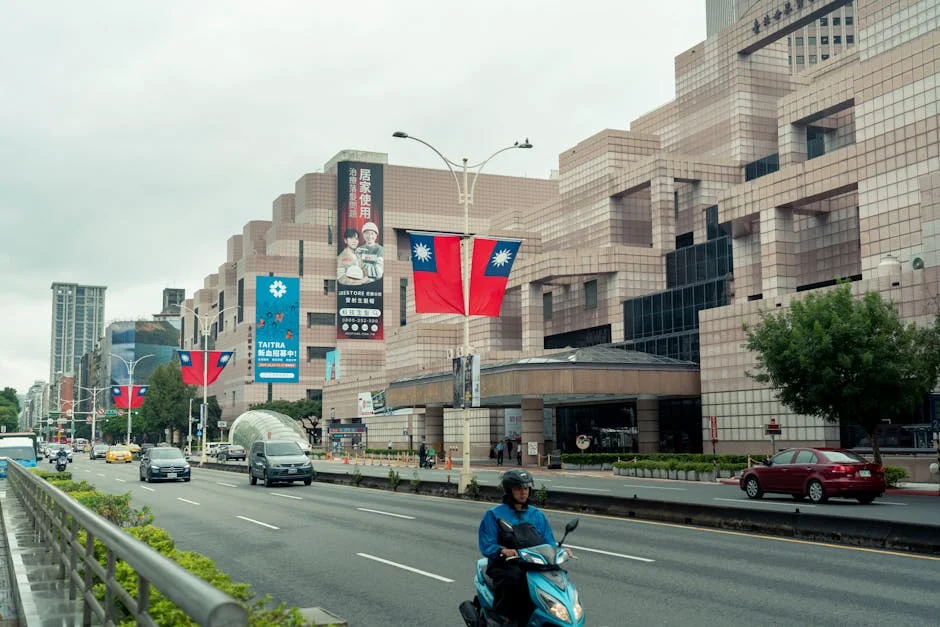

Global equity markets are highly sensitive to US-China relations. A sudden escalation over Taiwan could cause a rapid sell-off in tech and manufacturing sectors. The semiconductor industry, heavily concentrated in Taiwan, is particularly vulnerable to geopolitical shocks. Investors in Singapore are closely watching these developments.
Volatility indices often spike when diplomatic tensions rise. This creates both risk and opportunity for agile investors. However, the primary concern is the potential for prolonged uncertainty. Uncertainty dampens business investment and consumer confidence. Companies may delay capital expenditures until the political landscape clarifies.
The bond market also reacts to geopolitical risk. Safe-haven assets like the US dollar and gold may see increased demand. Conversely, emerging market currencies, including the Singapore dollar, could face pressure. Central banks may need to intervene to stabilize exchange rates.
Impact on Singaporean Businesses
Singapore’s economy is deeply integrated with both the US and China. As a major financial hub, Singaporean firms are exposed to cross-border trade and investment flows. Any disruption in US-China relations directly impacts local businesses. Export-oriented companies face particular scrutiny and risk.
Local manufacturers must consider diversifying their supply chains. Over-reliance on a single region can be costly during geopolitical crises. Singapore’s strategic location offers advantages, but also exposes it to external shocks. Business leaders are advised to stress-test their operations against various scenarios.
The financial services sector in Singapore may see increased activity. As global capital seeks stability, Singapore’s robust regulatory framework attracts investors. However, the volume of trade finance and insurance products may fluctuate. Firms need to adjust their risk models accordingly.
Supply Chain Disruptions Loom
The Taiwan Strait is a critical artery for global trade. A significant portion of the world’s semiconductor production occurs on the island. Any disruption to this supply chain would have cascading effects on global industries. Electronics, automotive, and healthcare sectors would be among the first to feel the pinch.
Companies are already accelerating their "China plus one" strategies. This involves shifting production to other countries like Vietnam, India, or Mexico. However, finding suitable alternatives to Taiwan’s manufacturing ecosystem is challenging. The transition takes time and capital, creating short-term inefficiencies.
Logistics costs could rise if shipping routes become congested or risky. Insurance premiums for vessels passing through the Strait may increase. These costs are often passed down to consumers, contributing to inflationary pressures. Businesses must factor in these potential cost increases.
Trade Policy and Tariff Risks
Trade wars have historically been used as tools of geopolitical leverage. Both the US and China have employed tariffs to gain advantage. A renewed focus on Taiwan could lead to new tariff announcements. These tariffs could target specific industries or broaden to encompass a wider range of goods.
Importers and exporters need to prepare for potential changes in duty rates. Sudden tariff hikes can erode profit margins quickly. Companies may need to renegotiate contracts with suppliers and customers. Flexibility in pricing and sourcing becomes a key competitive advantage.
Non-tariff barriers could also emerge. These include regulatory hurdles, certification requirements, and local content rules. Such barriers can be just as disruptive as traditional tariffs. Businesses must stay informed about regulatory changes in both markets.
Investment Strategies in Uncertain Times
Investors should consider diversifying their portfolios to mitigate geopolitical risk. This includes holding assets in different regions and sectors. Defensive stocks, such as utilities and consumer staples, may perform better during periods of uncertainty. Technology stocks, while volatile, offer long-term growth potential.
Currency hedging is another important tool. Fluctuations in the US dollar, Chinese yuan, and Singapore dollar can impact returns. Investors should consult with financial advisors to determine the best hedging strategies. This helps protect against adverse exchange rate movements.
Long-term investors should look beyond short-term noise. The underlying fundamentals of the US and Chinese economies remain strong. However, the path forward may be bumpy. Patience and discipline are key to navigating this period of geopolitical tension.
What To Watch Next
The coming months will be critical in determining the trajectory of US-China relations. Investors should monitor diplomatic meetings and trade negotiations closely. Any new announcements regarding Taiwan will likely trigger immediate market reactions. Keeping an eye on political developments is essential for informed decision-making.
Businesses should continue to review their risk management strategies. Supply chain audits and contingency planning should be ongoing processes. Flexibility and adaptability will be crucial for success in this environment. Proactive measures can help mitigate potential disruptions.
Regulators in Singapore may also announce new policies to support local businesses. These could include tax incentives, grants, or regulatory adjustments. Staying informed about government initiatives can provide additional opportunities. Companies should engage with policymakers to understand the evolving landscape.
The next major diplomatic summit between Washington and Beijing will be a key event. This meeting could set the tone for economic relations for the year ahead. Investors should prepare for potential volatility around this date. Strategic positioning can help capture opportunities or minimize losses.
See Also
- Vijay’s Karur Surge Triggers Tamil Nadu Market Jitters
- Siddaramaiah Sparks Political Tension in India — Economic Implications for SG