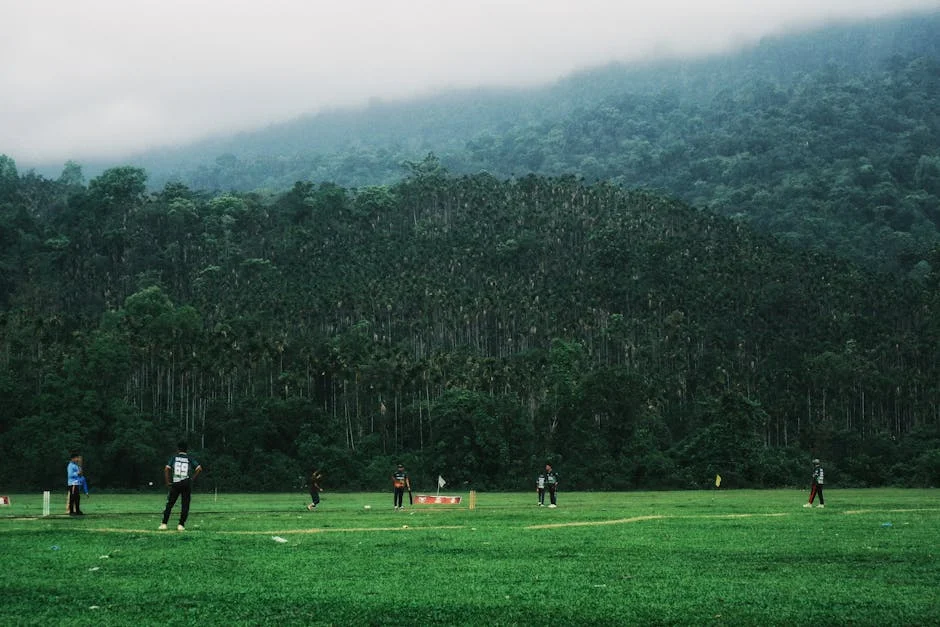
The West Indies closed in on a T20 World Cup semi-final berth on Wednesday, while Pakistan and the Netherlands played out a dead rubber in Dubai that carried more symbolic weight than sporting consequence. England, meanwhile, prepared for a high-stakes encounter with New Zealand that could reshuffle the tournament bracket. For broadcasters and sponsors tracking viewer numbers, the action on the field translates directly into revenue streams running into hundreds of millions of dollars.
Cricket's Economic Engine Keeps Spinning
The International Cricket Council's broadcast rights for the 2024-2033 cycle are valued at approximately $3 billion, with major networks paying premium rates to air live matches in key markets. Every match that remains competitive keeps audiences engaged for longer, a metric that directly influences advertising rates and renewal negotiations. Sports marketing executives in Singapore confirmed that regional viewership data from this tournament feeds directly into commercial projections for bilateral series scheduled over the next two years.

West Indies' advancement to the semi-finals would guarantee at least two more broadcast windows in prime time across South Asia, the Caribbean, and parts of Europe. Sponsorship activation companies in Singapore said they had teams on standby to deploy branded campaigns tied to whichever teams survive the group stage. The timing matters. A semi-final featuring West Indies, with their diaspora fanbase spanning London, New York, and Toronto, commands a premium that a Pakistan-India rematch cannot always match in certain Western markets.
Pakistan's Comfortable Exit and What Follows
Pakistan's elimination before the final round of group matches has already prompted soul-searching at the Pakistan Cricket Board. The team arrived in Dubai having won only one of four matches, a result that will likely trigger a review of selection policy and captaincy ahead of the 2025 Champions Trophy. Local cricket boards across South Asia watch such outcomes closely, as performance trends influence bilateral tour scheduling and the allocation of broadcast windows.
The Netherlands, by contrast, exceeded expectations at this tournament. Their victory over South Africa in New York remains one of the upset results of the competition. That result alone generated a measurable spike in cricket participation enquiries at clubs across Europe, according to data shared by the European Cricket Council. For the Dutch board, progress to the Super Eight stage — even without a semi-final appearance — strengthens the case for increased ICC funding and better television exposure in their domestic market.
England vs New Zealand: The Business of Rivalry
England's match against New Zealand in Sharjah carried added significance for bookmakers and fantasy sports platforms, which reported record transaction volumes during similar high-profile encounters. Sports betting exchanges in the United Kingdom processed an estimated £50 million in matched bets during the equivalent stage of the 2022 tournament, and operators expect comparable figures this year. Singapore-licensed betting platforms, though restricted domestically, serve markets across Southeast Asia where cricket enthusiasm runs deep.
The commercial logic behind England-New Zealand fixtures extends beyond gambling. Both teams attract corporate hospitality packages priced at premium rates. Venues in the Gulf region have filled hotel blocks for the duration of the match, with occupancy rates reportedly exceeding 90 percent in Sharjah and surrounding areas. Hospitality operators confirmed that group bookings from UK-based travel agencies drove the surge, a pattern consistent with major cricket events held in the Emirates over the past decade.
Singapore's Stake in Global Cricket Economics
Singapore may not host matches, but the city-state occupies a meaningful position in cricket's financial infrastructure. Several sports analytics firms and sponsorship agencies maintain regional headquarters there, processing commercial data from tournaments like the T20 World Cup in real time. These firms advised brand clients on activation spend, adjusting marketing budgets based on which teams progressed and which fan demographics remained engaged.
The Singapore Cricket Association has a bilateral agreement with Cricket West Indies that includes youth development exchanges and occasional exhibition matches. Should the West Indies advance further, discussions about bringing a franchise team to Singapore's emerging cricket leagues could accelerate. Regional tournament rights, including the Asia Cup and ICC events, are negotiated through offices that frequently handle Singapore-based negotiations for rights holders across the Asia-Pacific.
Broadcast Rights and the Road Ahead
The ICC's current broadcast model distributes revenue unevenly, with India, England, and Australia receiving the largest shares. The performance of smaller cricket nations at tournaments like this one influences the broader debate about revenue sharing at the ICC's next governance meeting, scheduled for early next year. Member boards from associate nations argue that upsets against established powers — like the Netherlands' win over South Africa — justify increased funding and more guaranteed matches against top-tier opponents.
Television networks in India, which commands the largest audience share, have already begun planning their programming for the knockout stages. Star Sports, the Disney-owned broadcaster with rights for the Indian subcontinent, stands to earn significant advertising revenue from every match involving South Asian teams. If West Indies reach the semi-finals without an Asian qualifier, the network faces difficult scheduling decisions to preserve commercial value during a period traditionally dominated by India-Pakistan viewership.
What Happens Next on the Pitch and the Balance Sheet
The semi-final lineup will be confirmed by Thursday evening, following the conclusion of all group stage matches. The ICC's commercial team will immediately begin coordinating with host broadcasters to lock in prime-time slots for the knockout matches, each of which commands separate sponsorship packages not included in the original broadcast deal. Rights holders have already begun negotiating incremental advertising inventory for the final, should the match deliver record viewership numbers.
For investors watching sports sector exchange-traded funds, tournament performance offers a short-term signal. Shares in companies with significant cricket sponsorship portfolios — including several listed on Asian exchanges — tend to rally when teams from high-viewership markets advance. The correlation is modest but measurable. The next 48 hours will determine not only which four teams contest the semi-finals but also how advertising revenue projections for the final weekend are revised across the board. Watch this space for updates as the bracket fills in and commercial teams recalibrate their forecasts accordingly.
See Also
- World Cup Draws 40 Million U.S. Viewers — and Sparks a Mexican-Korean Bond in Los Angeles
- India Sets 2% GDP R&D Target — Markets React to Manufacturing Push
Hospitality operators confirmed that group bookings from UK-based travel agencies drove the surge, a pattern consistent with major cricket events held in the Emirates over the past decade.Singapore's Stake in Global Cricket EconomicsSingapore may not host matches, but the city-state occupies a meaningful position in cricket's financial infrastructure. Should the West Indies advance further, discussions about bringing a franchise team to Singapore's emerging cricket leagues could accelerate.