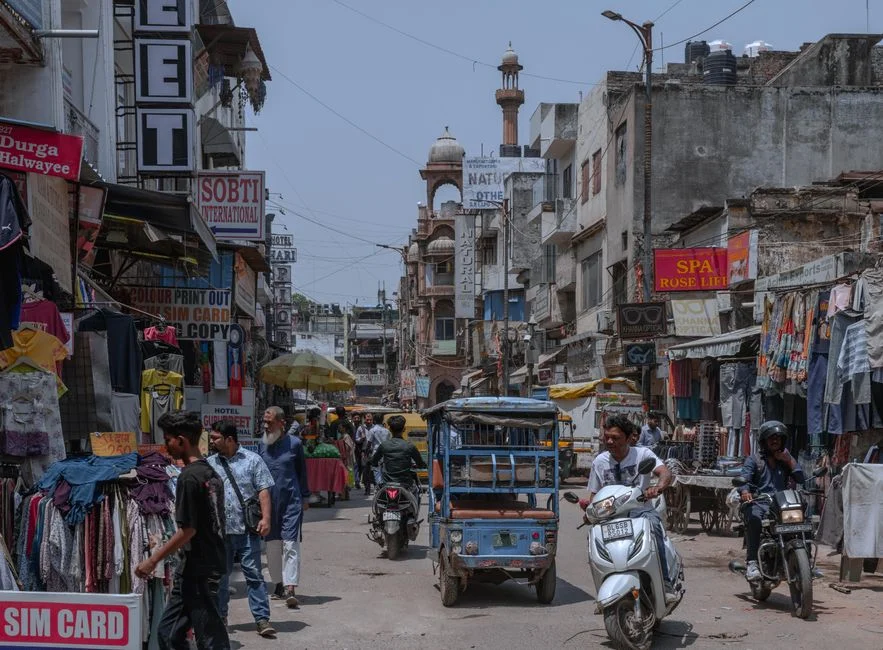
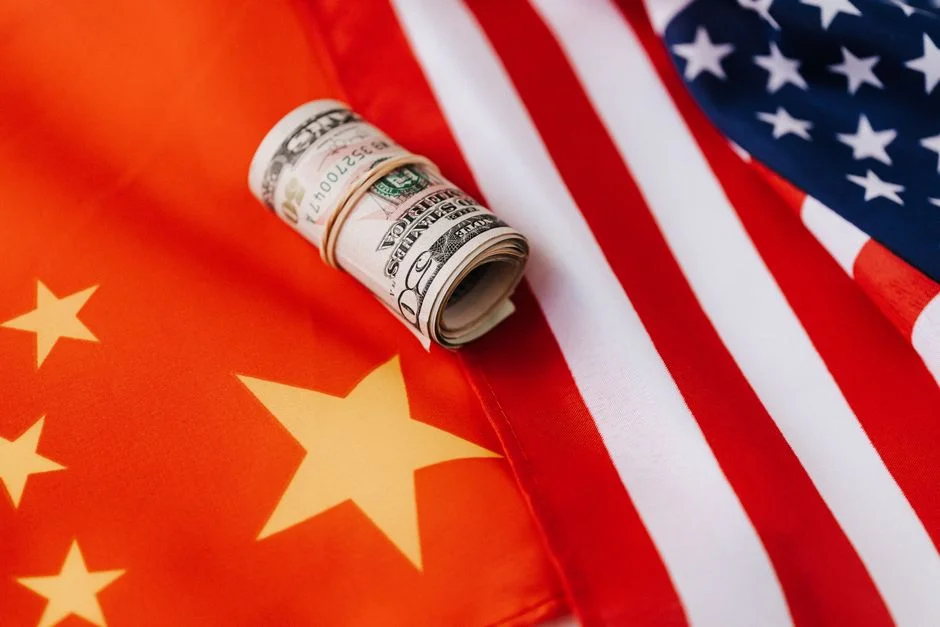
A probe launched by the United States Trade Representative has drawn close attention from Indian exporters, who are now weighing potential consequences for bilateral commerce worth billions of dollars. The investigation, which centres on trade practices and market access, comes as officials from both sides prepare for a fresh round of negotiations in the coming weeks.
USTR Probe Details Emerge
The USTR formally initiated the probe following complaints from domestic industry groups about non-tariff barriers and intellectual property concerns. According to a notice published on the agency's website, the investigation examines whether Indian trade policies adequately protect American businesses operating in the country. The probe covers sectors including pharmaceuticals, information technology services, and agricultural products.
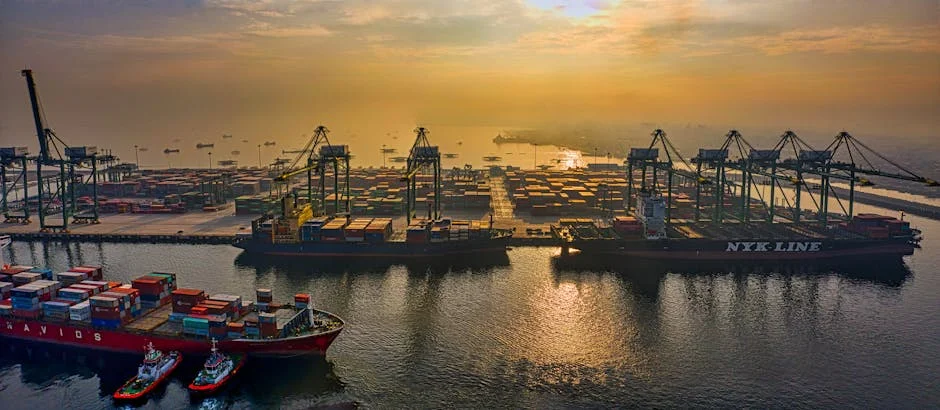
Exporters in New Delhi and Mumbai have established informal monitoring committees to track developments. These groups argue that any adverse findings could trigger retaliatory measures affecting billions of dollars in annual exports to the United States. The probe carries particular weight because findings could precede formal trade action under Section 301 of the Trade Act of 1974.
What Exporters Are Watching

Indian exporters are focusing on three key timelines. First, the USTR is expected to release a preliminary assessment within 90 days of the probe's launch. Second, industry stakeholders anticipate a public comment period that will allow affected businesses to submit evidence directly to American trade officials. Third, the outcome of ongoing bilateral discussions between trade representatives will determine whether the probe escalates or resolves through negotiated concessions.
The Federation of Indian Export Organisations has urged members to document any disruptions to supply chains that might result from policy uncertainty. Officials at the group confirmed that export contracts worth approximately $4.2 billion annually involve American counterparties who could shift sourcing if trade conditions deteriorate.
Trade Talks Enter New Phase
Parallel to the probe, negotiators from both countries are preparing for talks scheduled to take place in Geneva. These discussions will address market access issues, tariff structures, and regulatory harmonisation between the two economies. Senior officials familiar with the agenda indicated that pharmaceutical tariffs and technology sector licensing requirements will dominate the agenda.
Trade analysts note that the timing creates pressure on both sides to demonstrate progress. American business groups have lobbied for stronger enforcement mechanisms, while Indian officials have emphasised the need for technology transfer protections and favourable treatment for service sector exports. The intersection of the probe and the talks means that negotiators face a compressed timeline to resolve differences before potential escalation.
Market Reaction and Business Concerns
Financial markets have responded with caution to the developments. The Indian rupee showed heightened volatility against the dollar in recent sessions, reflecting uncertainty about trade outcomes. Export-focused companies listed on the National Stock Exchange experienced mixed trading volumes as investors assessed the potential impact on revenue streams.
Business leaders have expressed concern about the broader signal the probe sends to international investors. Several executives from multinational companies operating in India noted that trade disputes with major partners create reputational risks and complicate long-term planning. The probe's focus on intellectual property protections is particularly relevant for pharmaceutical manufacturers and software developers whose business models depend on secure legal frameworks.
Economic Stakes Are Significant
India's exports to the United States totalled $78 billion in the previous fiscal year, making America the largest bilateral trading partner. Any disruption to this relationship would carry substantial macroeconomic consequences. Economists at several research institutions have modelled scenarios ranging from targeted tariff increases to broader restrictions on market access.
The probe also arrives at a sensitive moment for India's manufacturing sector, which has been actively pursuing diversification away from Chinese supply chains. Exporters note that American trade actions could reshape competitive dynamics in sectors where India competes with Vietnam, Bangladesh, and Mexico for market share. A senior official at the Ministry of Commerce declined to comment on specific negotiations but acknowledged that trade relationships require continuous management.
What Happens Next
The next major milestone arrives in six weeks when the USTR will hold a public hearing on the probe's findings. Indian exporters plan to send delegation representatives to present evidence in their defence. Industry associations are coordinating with legal counsel to prepare submissions that address the complaints without conceding on core policy positions.
Simultaneously, the Geneva talks will test whether both governments can find common ground before the probe reaches a critical juncture. Trade observers suggest that a negotiated framework could defuse tensions, though significant gaps remain on issues including data localisation requirements and localisation mandates for foreign companies. Exporters will watch both tracks closely, as outcomes could reshape commercial relationships for years to come.
See Also
- India Battles Extreme Weather: Heatwave Disrupts Agriculture Amid Snow in Himalayas
- New Zealand Levels Series — Sophie Devine Triggers Market Reaction
What is the latest news about indian exporters watch ustr probe as trade talks enter critical phase?
Why does this matter for world-affairs?
What are the key facts about indian exporters watch ustr probe as trade talks enter critical phase?