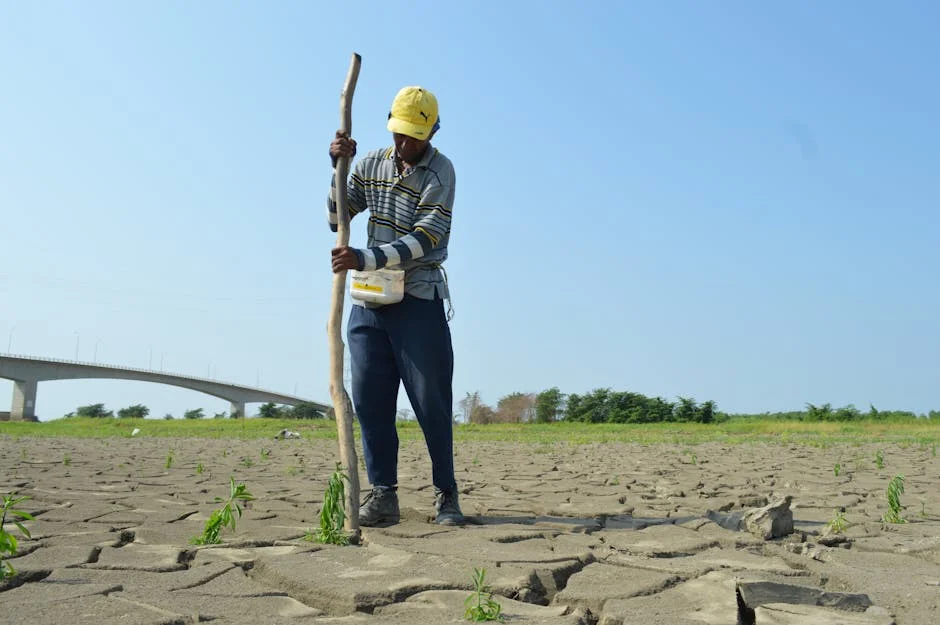
Extreme weather is gripping India as temperatures in the plains soar to a staggering 45 degrees Celsius, while residents in Jammu experience unseasonable snowfall. This rapid shift poses serious challenges for agriculture and energy sectors across the country.
Severe Heatwave in Indian Plains
The ongoing heatwave, which began in early April, has led to extreme temperatures in northern and central India. On April 17, weather stations reported record high temperatures, including 45°C in Delhi and 46°C in parts of Uttar Pradesh. These soaring temperatures have raised concerns about crop failures and significant losses for farmers who rely heavily on wheat and other staple crops.

The Indian Meteorological Department (IMD) has warned that these conditions may persist, with farmers in key agricultural regions facing harsh realities. With the kharif sowing season just around the corner, the heat may affect soil moisture levels and delay planting.
Jammu Experiences Unseasonable Snowfall

Meanwhile, Jammu and Kashmir, typically enjoying milder weather in mid-April, has seen an unexpected blanket of snow. Reports confirmed that on April 16, heavy snowfall accumulated in the region, measuring up to 10 cm in certain areas. This unusual weather has disrupted local transport and could influence the tourism sector, which begins to peak in spring.
Locals have expressed concerns about the impact on this year's apple harvest, a crucial economic driver for the region. As the weather continues to fluctuate, farmers are left to grapple with potential crop losses from both heat and snow.
Implications for the Economy and Markets
The contrasting weather phenomena are raising alarms among businesses and investors in India. The agricultural sector, which employs nearly half of the country's workforce, is particularly vulnerable. A prolonged heatwave could lead to reduced crop yields, raising food prices and prompting inflationary pressures.
Analysts fear that any increase in food prices could lead to a ripple effect across the economy, impacting consumer spending and economic growth. The Reserve Bank of India may also face pressure to adjust monetary policy to combat rising inflation, potentially affecting investment sentiment.
Energy Sector Faces Strain
The heatwave has led to a surge in electricity demand, pushing power grids to their limits. The current demand in Delhi alone has surged to 7,000 MW, a significant increase compared to previous years. Energy companies are racing to keep up, with many fearing outages as the demand escalates.
Investment in renewable energy sources may become more pressing as firms look to diversify and manage the impact of climate variability. However, the short-term challenges could deter new investments in traditional energy infrastructure.
What’s Next for Investors?
Investors are closely monitoring these developments, as the dual weather crises hint at broader economic implications. Stocks in agricultural sectors and energy companies could face volatility. In contrast, those in renewable energy may find opportunities amidst the adversity.
With key government meetings scheduled to discuss emergency measures and agricultural support, stakeholders are urged to watch for policy changes that could reshape the investment landscape.
Looking Ahead: Weather Forecast and Economic Measures
As India continues to grapple with these weather extremes, upcoming forecasts are crucial for planning and recovery strategies. The IMD predicts that weather patterns may stabilise in late April, but uncertainty remains high. Farmers, businesses, and investors must prepare for possible disruptions.
The Indian government is expected to announce measures to support affected farmers and stabilize food prices soon. Observers will be keen to see how swift the response is and what forms of assistance will be provided, particularly regarding crop insurance and subsidies.
See Also
- Israel Detains Two Portuguese Citizens — Markets Eye Rising Political Risk
- Glamorgan Signs Neesham to Address Farooqi's Absence in T20 Blast
In contrast, those in renewable energy may find opportunities amidst the adversity.With key government meetings scheduled to discuss emergency measures and agricultural support, stakeholders are urged to watch for policy changes that could reshape the investment landscape.Looking Ahead: Weather Forecast and Economic MeasuresAs India continues to grapple with these weather extremes, upcoming forecasts are crucial for planning and recovery strategies. The current demand in Delhi alone has surged to 7,000 MW, a significant increase compared to previous years.