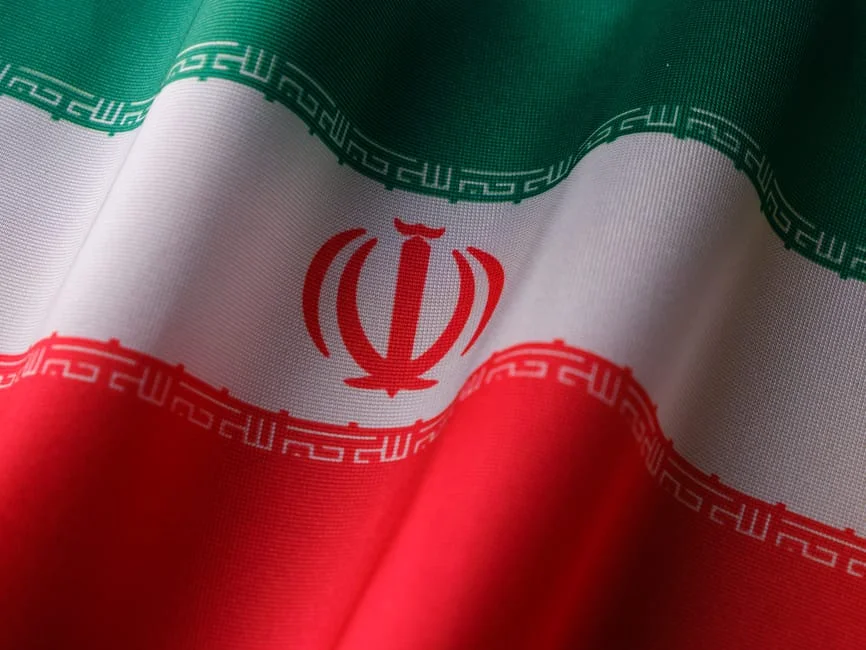
India's government approved a $1 billion rescue package for its airline industry on Wednesday, a direct response to soaring jet fuel costs driven by escalating tensions between Iran and a US-led coalition. The bailout, confirmed by the finance ministry in New Delhi, aims to prevent a collapse of carriers already struggling with mounting losses as fuel expenses consume their balance sheets. Aviation industry sources say several major Indian airlines have warned of potential service cuts without government intervention.
The Bailout Package Explained
The finance ministry announced the $1 billion emergency fund would be distributed through low-interest loans and fuel tax exemptions, with disbursements beginning within weeks. Officials said carriers would qualify based on route coverage and passenger volume to ensure connectivity to smaller cities is maintained. The package marks a rare direct government intervention in India's competitive airline market, where privately held carriers have historically resisted state support. A ministry spokesperson confirmed the funds would not be used to recapitalise company equity but strictly to cover operational fuel costs.

Which Airlines Stand to Benefit
Industry observers expect three to four major carriers to access the facility, though the government has not publicly named recipients to avoid market speculation. India's aviation sector has posted combined losses exceeding $2 billion over the past two years, squeezed between rising costs and fare competition that limits ticket pricing. The rescue package follows months of negotiations between airline executives and treasury officials, accelerating only after crude oil benchmarks surged following the Iran strikes.
Record Jet Fuel Prices Shake Global Aviation

Jet fuel costs have climbed to historic levels not seen since the 2008 energy crisis, with Asian refining hubs quoting prices above $130 per barrel this week. The spike follows the closure of key shipping routes through the Strait of Hormuz, a chokepoint that handles roughly a fifth of the world's oil trade. Refiners in Singapore and the Middle East report lead times stretching to three weeks as supply chains strain under demand from airlines scrambling to secure fuel before further price increases. Singapore, the region's largest aviation fuel trading hub, has seen cargo vessels rerouted around the Cape of Good Hope, adding significant transit time and cost.
Iran Tensions Reshape Energy Markets
The Iran conflict, which escalated sharply in recent weeks, has disrupted crude shipments and triggered panic buying across Asian energy markets. Saudi Arabia and the UAE have boosted output but cannot fully offset the gap left by reduced Iranian exports and damaged transit infrastructure. Traders on Singapore's energy exchange report liquidity drying up as buyers hesitate to commit long-term contracts at current price levels. The uncertainty has pushed Brent crude above $95 per barrel, its highest point since mid-2023, with analysts divided on whether prices will stabilise or climb further depending on how the conflict resolves.
Market Reaction and Investor Concerns
Shares of Indian airline operators jumped on the bailout news, with one major carrier gaining over 8 percent in early Wednesday trading on the National Stock Exchange in Mumbai. Bond markets reacted more cautiously, with credit default swaps on aviation-linked debt widening slightly. International investors tracking emerging market airline stocks are watching closely, with fund managers noting that India's intervention could set a precedent for other Asian governments facing similar fuel cost pressures. Singapore-based aviation analysts say the regional impact extends beyond India, as carriers across Southeast Asia face identical fuel headwinds without comparable rescue mechanisms.
Aviation Industry Survival at a Crossroads
Aviation executives warn that the $1 billion package offers temporary relief rather than a long-term solution to structurally high fuel costs. The International Air Transport Association has called for coordinated government responses globally, arguing that airline failures could disrupt supply chains and tourism revenue across developing markets. Indian carriers have already announced capacity reductions on unprofitable routes, with analysts predicting average ticket prices could rise 15 percent if fuel costs remain elevated through the summer travel season. The Centre for Aviation Asia-Pacific noted that India's domestic market, one of the world's fastest-growing, faces a pivotal test as operators weigh survival against market share.
What Comes Next for Indian Aviation
The finance ministry is expected to release eligibility criteria for the bailout within the next fortnight, with the first loan disbursements potentially reaching carriers before month-end. Aviation analysts say the critical variable remains whether Iran-related tensions ease, which could bring jet fuel prices back toward sustainable levels within three to four months. Until then, airlines will face a choice between passing higher costs to passengers and risking demand destruction. The outcome will likely shape India's aviation sector for years, determining which carriers survive and whether the government adopts a more interventionist role in managing industry volatility.
See Also
- Australian PM Albanese Praises India — Sparks Economic Optimism in SG
- Wales Election Winner Faces NHS Crisis — Impacts on Economy Loom
Market Reaction and Investor Concerns Shares of Indian airline operators jumped on the bailout news, with one major carrier gaining over 8 percent in early Wednesday trading on the National Stock Exchange in Mumbai. Singapore-based aviation analysts say the regional impact extends beyond India, as carriers across Southeast Asia face identical fuel headwinds without comparable rescue mechanisms.