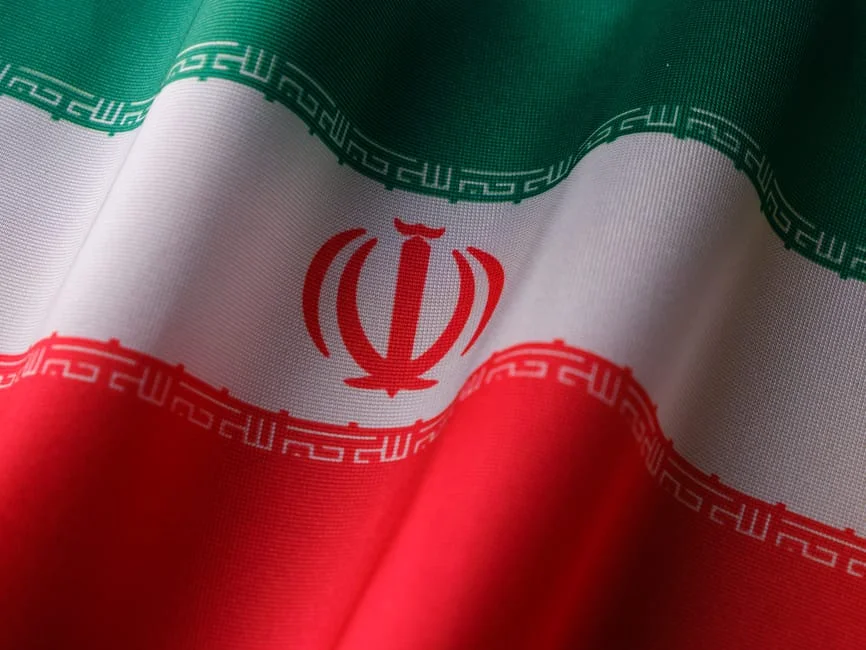
Iran has declared it is "impossible" to reopen the Strait of Hormuz following what it calls "flagrant" breaches of the ceasefire, raising fresh concerns over global trade and regional stability. The statement, made by the Iranian Ministry of Foreign Affairs, comes as shipping traffic through the strategic waterway remains heavily restricted, with the United States and the United Kingdom leading efforts to ensure free passage. The situation has escalated tensions in the Middle East and sent ripples through global markets.
Strait of Hormuz at Center of Geopolitical Crisis
The Strait of Hormuz, a critical chokepoint for global oil shipments, has been at the heart of the conflict between Iran and Western powers. The Iranian government claims that recent violations of the ceasefire, including alleged attacks on Iranian vessels, have made it impossible to resume normal operations. The UK's Foreign Office has confirmed that it is monitoring the situation closely, with a naval presence in the area to protect commercial shipping.
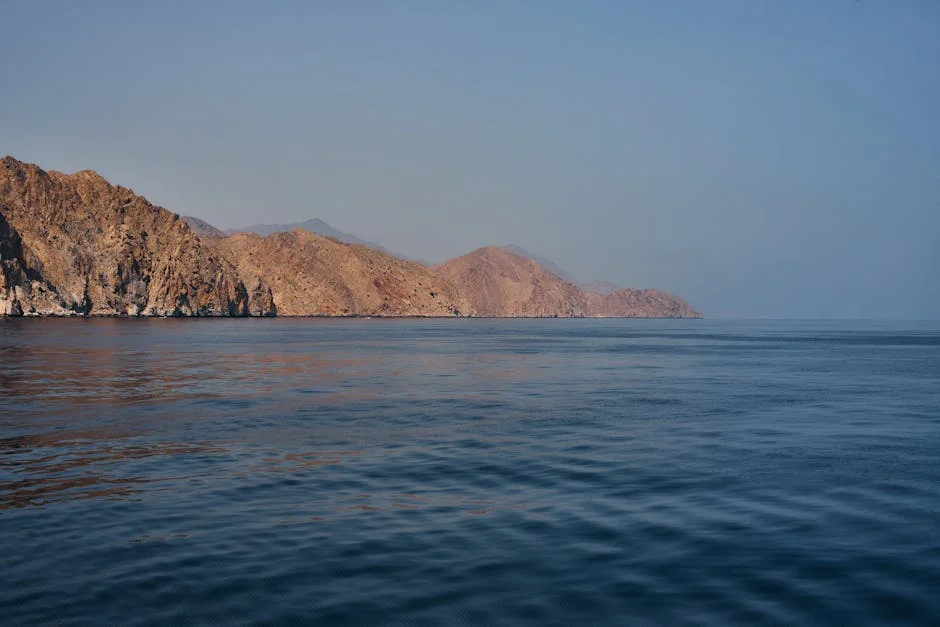
The Strait of Hormuz handles about 20% of global oil supply, making it one of the most vital maritime routes in the world. Any disruption could send shockwaves through energy markets, with oil prices already rising by 3% in the last 48 hours. The International Energy Agency (IEA) has warned that prolonged closure could lead to a 10% spike in global oil prices, affecting economies worldwide.
Market Reactions and Investor Concerns

Global stock markets have reacted with volatility, with the FTSE 100 and S&P 500 both dropping by 1.2% as investors brace for potential supply shocks. Energy companies, particularly those with operations in the Middle East, have seen their shares fall, with BP and Shell each losing over 2% in early trading. Analysts warn that the uncertainty could lead to increased insurance costs for shipping firms and higher fuel prices for consumers.
For Singapore, the impact is indirect but significant. As a major global trade hub, any disruption to oil supply could lead to higher energy costs, affecting both businesses and households. The Monetary Authority of Singapore (MAS) has issued a statement urging caution but has not yet intervened. "We are closely monitoring the situation and will take necessary measures if needed," said MAS spokesperson Lim Chong Heng.
Regional Implications and Political Tensions
The crisis has also intensified political tensions in the Gulf region. The United Arab Emirates (UAE) has called for a de-escalation, while Saudi Arabia has reaffirmed its commitment to the ceasefire. However, the situation remains fragile, with both Iran and the US accusing each other of undermining the agreement. The White House has yet to issue a formal response, but sources suggest that President Joe Biden is considering additional sanctions against Iranian entities.
Regional trade routes are also under scrutiny. The Singapore-based International Chamber of Commerce (ICC) has warned that the instability could lead to delays in cargo shipments and increased logistical costs. "Businesses should prepare for potential disruptions in the coming weeks," said ICC regional director Rajiv Mehta.
What’s Next for Global Markets?
Investors are now watching for any signs of diplomatic progress or further escalation. The next key development will be a scheduled meeting between US and Iranian officials in Geneva, set for early next week. If no agreement is reached, the situation could worsen, leading to more significant market volatility. The International Monetary Fund (IMF) has also warned that prolonged instability in the region could reduce global economic growth by 0.5% in 2024.
For Singapore, the focus will be on how the government responds to potential energy price shocks. The government has already announced a review of its energy security strategy, with a report expected by the end of the month. Businesses in the manufacturing and transport sectors are also preparing for possible cost increases.
How the Ceasefire Affects Singapore
The impact of the ceasefire and subsequent tensions is not just regional but global. For Singapore, which relies heavily on energy imports and has strong trade ties with both the US and the Middle East, the situation could have far-reaching consequences. The Singaporean government has already begun engaging with international partners to ensure supply chain stability.
Businesses in the energy sector are particularly concerned. Shell’s Singapore-based subsidiary has warned that any prolonged disruption could lead to higher fuel prices for consumers. "We are closely monitoring the situation and working with our partners to ensure that supply remains uninterrupted," said Shell spokesperson Tan Mei Ling.
As the situation in the Strait of Hormuz continues to unfold, the global economy remains on edge. The next few weeks will be critical in determining whether the crisis can be resolved or if it will lead to a broader economic slowdown. Investors, businesses, and policymakers across the world are watching closely, hoping for a swift and stable resolution.
See Also
- Orlando Pirates Legend Slams Kaizer Chiefs Goalkeeper After Goal Conceded
- Portugal's Nationality Requests Stall — Delays Could Impact Economy
The White House has yet to issue a formal response, but sources suggest that President Joe Biden is considering additional sanctions against Iranian entities. The next key development will be a scheduled meeting between US and Iranian officials in Geneva, set for early next week.