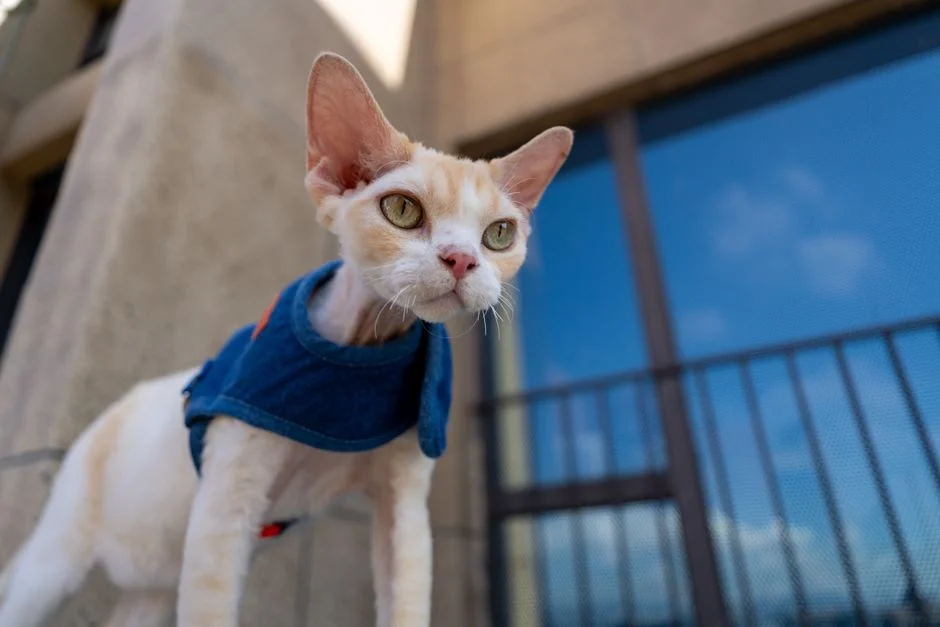
A celebrity dog with more than 1.5 million followers has been stolen and slaughtered in China, after a thief reportedly mistook the animal for a stray. The incident has sent shockwaves through the country's lucrative pet influencer economy, where animals with large social media audiences command brand deals worth tens of thousands of dollars.
Dog Known as 'Chutou' Disappears from Shanghai
The dog, widely known by the nickname 'Chutou' on Chinese social media platforms, vanished from its home in Shanghai before being killed and sold as meat. The thief reportedly believed the animal was a stray when he took it, according to local media reports. The case has ignited fury online, with fans demanding accountability and questioning how such a valuable animal could be so carelessly destroyed.
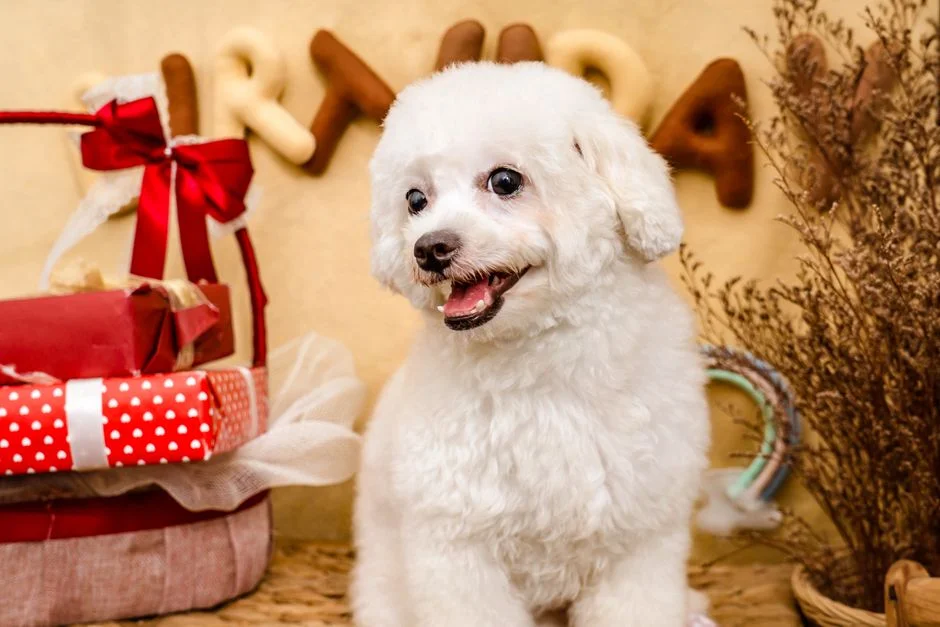
Social media posts from the dog's official accounts, which had built up substantial followings over several years, stopped abruptly. Followers noticed the silence and began raising questions before the circumstances of the theft emerged. The revelation that the animal had been killed for meat rather than returned sparked comparisons to a string of similar incidents involving high-profile pets in major Chinese cities.
Pet Influencer Economy Worth Millions


The case has drawn attention to an industry that has grown rapidly across China. Pet influencers on platforms like Douyin and Weibo have built audiences numbering in the millions, attracting sponsorship deals from pet food companies, veterinary chains, and lifestyle brands. Analysts estimate that top pet accounts can earn equivalent to or exceeding what human influencers command in niche categories.
Investors have taken notice. Several pet-focused companies have listed on stock exchanges in Hong Kong and Shanghai over the past five years, with market capitalisations running into billions of dollars. The sector has benefited from rising pet ownership in urban areas, particularly among young professionals who treat animals as companions rather than working assets. A celebrity animal with 1.5 million followers represents a significant commercial asset, one that cannot be easily replaced.
Brand Partnerships Now in Jeopardy
Companies that had secured sponsorship agreements with the dog's account face uncertainty. Endorsement contracts typically include exclusivity clauses and performance guarantees tied to follower engagement. The sudden loss of a key account leaves brands scrambling to find comparable alternatives in a market where proven pet influencers are scarce. Legal experts say contractual disputes could follow, with questions arising over insurance coverage for digital assets and living property.
The incident also raises questions about the valuation of influencer accounts. Unlike physical equipment or property, a social media following cannot be insured through conventional policies without specialised coverage. The death of the animal effectively destroys the asset, leaving brand partners with little recourse beyond existing contract terms.
Legal Gaps Exposed
Chinese law currently treats companion animals as property, meaning the thief could face charges equivalent to theft of goods. However, the commercial value generated by a celebrity pet account far exceeds what standard property valuation would suggest. Legal practitioners say the case could prompt courts to consider more nuanced approaches to valuing digital-era assets that happen to be living creatures.
Animal welfare advocates have used the case to renew calls for stronger protections. Current regulations vary significantly across different Chinese cities, with some municipalities imposing stricter rules than others. Shanghai, where the dog was kept, has specific ordinances governing pet ownership but no special provisions for animals with commercial profiles.
Market Reaction and Industry Response
Shares of pet-related companies listed in Hong Kong showed limited movement in the immediate aftermath, as investors waited for more details. However, market observers note that consumer sentiment around pet ownership can shift quickly following high-profile incidents. Any broader backlash against pet commerce could affect companies ranging from pet food manufacturers to veterinary service chains.
Several pet influencers and their handlers have since tightened security arrangements. Social media posts from other accounts have referenced the incident, with some owners sharing details of GPS collars, surveillance cameras, and specialised transport crates designed to prevent theft. The message is clear: animals with commercial value require protection beyond what standard pet ownership demands.
What Happens Next
Police in Shanghai continue to investigate the theft. Authorities have not released the name of the owner or details about potential charges. The case is expected to move through the local court system over the coming months, where prosecutors will need to establish the value of what was taken.
Industry watchers say the outcome could reshape how brands approach pet influencer partnerships. Contracts may begin including specific clauses addressing the death or incapacitation of the animal, along with contingency plans for winding down accounts. Insurers may also develop new products tailored to the unique risks facing high-value companion animals.
The broader pet economy in China continues to expand despite the incident. Annual spending on pets in urban areas has grown consistently, driven by rising incomes and changing attitudes toward animal companionship. Whether this specific case dampens enthusiasm for celebrity pet accounts remains to be seen, but the commercial stakes have never been clearer.
See Also
- Iran Launches New Attacks on Gulf Allies, Spooking Markets
- Sudan Conflict Deepens as Eid Celebrations Turn to Sorrow in Tawila Camps