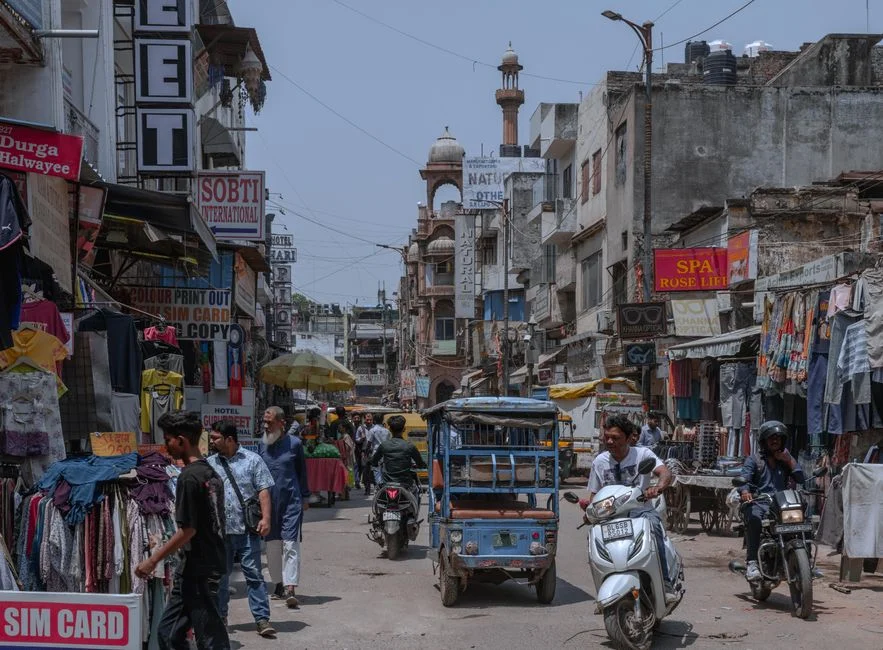
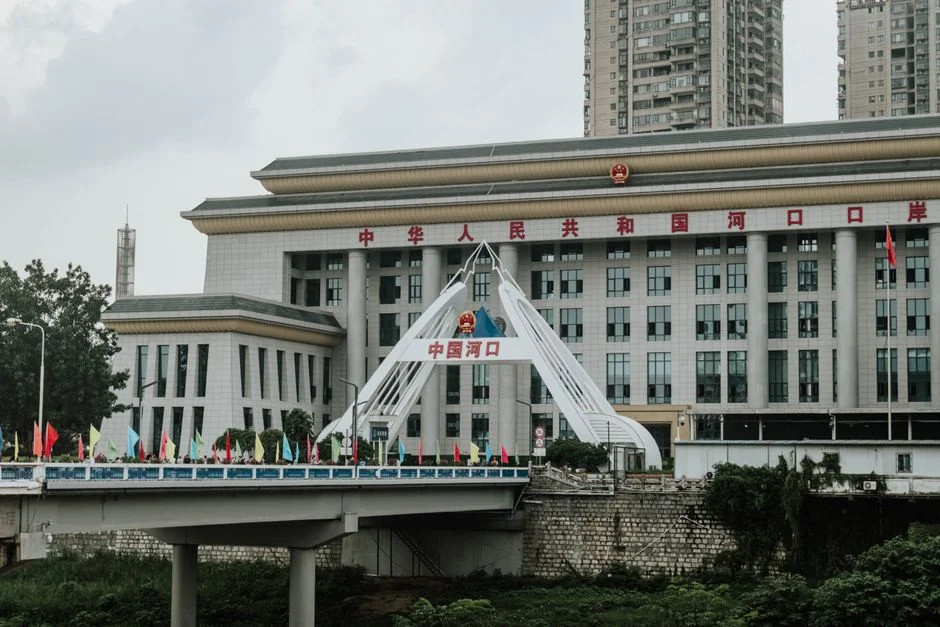
Myanmar President U Min Aung Hlaing arrived in New Delhi on Monday for a three-day visit that carries significant weight for investors across Southeast Asia. The trip, scheduled through Wednesday, includes meetings with Indian Prime Minister Narendra Modi and a series of bilateral economic forums expected to yield agreements spanning infrastructure, energy, and trade facilitation. For Singapore-based firms with exposure to the region, the outcomes could shape investment decisions for years to come.
Economic Agreements at the Forefront
Indian officials confirmed that New Delhi is preparing an economic package valued at approximately $1.2 billion for Myanmar. The figure includes concessional loans for infrastructure projects and credit lines for small and medium enterprises along the border regions. Commerce and Industry Minister Piyush Goyal told reporters the package reflects India's broader strategy to deepen economic ties with neighbours in the Association of Southeast Asian Nations bloc. Myanmar, sitting between India and Thailand, represents a critical transit corridor for regional trade flows that pass through Singapore's ports daily.
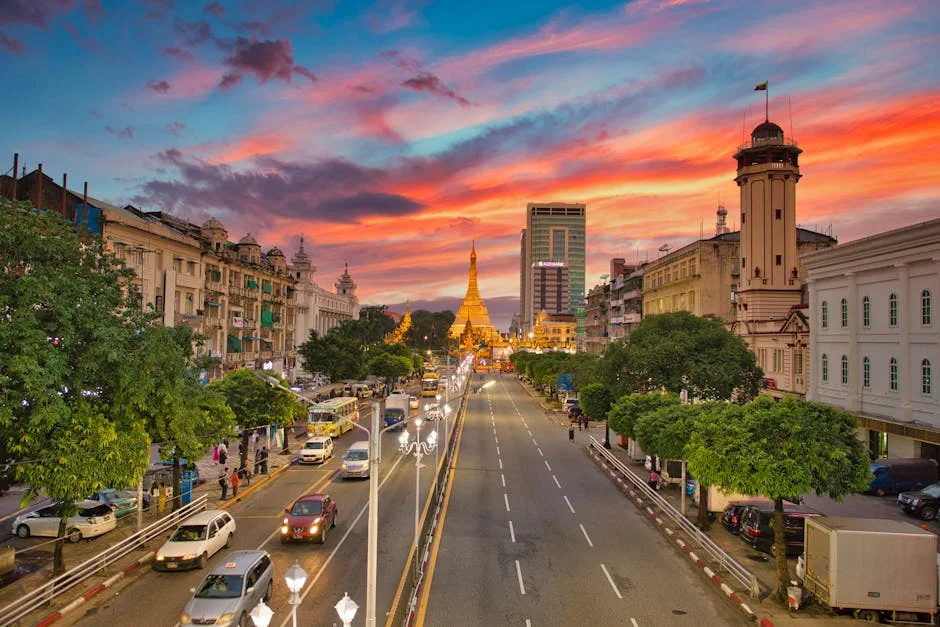
The visit also coincides with ongoing negotiations over a border haat trade agreement expansion. These informal border markets, where local communities exchange goods without formal customs duties, could see their product categories widened under new terms being discussed. Trade analysts in Yangon estimate that border haat commerce currently generates around $50 million annually, though official figures vary widely.
Trade Numbers and What They Mean


Bilateral trade between India and Myanmar reached $2.3 billion in the most recent fiscal year, according to data from India's Ministry of Commerce. That figure represents a modest increase from $2.1 billion the previous year, but officials on both sides have set a target of $5 billion within the next five years. The gap between current levels and that ambition explains why economic diplomacy features so prominently during U Min Aung Hlaing's visit.
Singapore ranks among Myanmar's top five foreign investors, with registered capital exceeding $23 billion across sectors ranging from telecommunications to real estate. Any shift in Myanmar's economic orientation—whether toward India, China, or Western markets—carries direct implications for Singaporean firms that have established operations in the country over the past decade.
Strategic Context: India's Southeast Asia Push
The visit occurs against a backdrop of intensifying regional competition. China remains Myanmar's largest trading partner and a dominant force in infrastructure financing, with projects including the Kyaukpyu deep-water port providing Beijing with strategic access to the Indian Ocean. India has sought to counterbalance Chinese influence through infrastructure support of its own, including road projects linking the northeastern Indian state of Mizoram to Myanmar's Sagaing Region.
Security cooperation forms another pillar of the relationship. Defence Minister Rajnath Singh met separately with the Myanmar delegation to discuss maritime security in the Bay of Bengal and information-sharing arrangements. Analysts at the S. Rajaratnam School of International Studies in Singapore noted that these defence discussions often complement commercial negotiations, giving visiting delegations leverage across multiple fronts.
Singapore's Position in the Equation
For Singapore investors, Myanmar presents both opportunity and complexity. The country offers a young workforce and untapped natural resources, but political uncertainties and infrastructure gaps create operational challenges. Singapore's Temasek Holdings and sovereign wealth fund GIC have previously explored Myanmar opportunities, though both have adopted cautious approaches given governance concerns.
Regional observers suggest that closer India-Myanmar ties could open new doors for Singaporean firms. Indian infrastructure companies, for instance, have expressed interest in joint ventures with Asean partners to pursue projects in third markets. A stronger Indian economic footprint in Myanmar might create partnership opportunities for Singapore companies already established there.
Business Sectors in Focus
Pharmaceuticals and healthcare emerged as a priority sector during opening sessions of the visit. Myanmar imports roughly 80 percent of its medicines, with India supplying a substantial portion of those generics. New Delhi has signalled interest in establishing pharmaceutical manufacturing facilities inside Myanmar, which would reduce reliance on imported finished products while creating industrial employment.
Agricultural cooperation also features prominently. India's National Bank for Agriculture and Rural Development is discussing credit facilities for Myanmar farmers cultivating pulses and legumes—crops that feed significant markets in both countries. The timing matters: global pulse prices have fluctuated considerably over the past eighteen months, making supply security a political priority in Naypyidaw.
What Comes Next
Both governments expect to sign a memorandum of understanding on trade facilitation before the visit concludes. The agreement would streamline customs procedures at designated border crossing points, potentially reducing by an estimated 30 to 40 percent for qualifying goods. If implemented effectively, such improvements could lower costs for Singaporean exporters shipping products through Myanmar to reach Indian markets.
Investors should watch for announcements on specific project contracts awarded during this visit. Infrastructure tenders for roads connecting Mandalay to the Indian border are expected to be awarded by the end of the quarter. Companies registered in Singapore have shown interest in several of these road segments, according to procurement notices filed with Myanmar's investment ministry.
See Also
- Lee Hung-yi’s Flag Gaffe Triggers Trade Jitters in Singapore
- Congress Slams BJP Over Himanta Biswa Sarma's Wife's Foreign Assets
Singapore's Temasek Holdings and sovereign wealth fund GIC have previously explored Myanmar opportunities, though both have adopted cautious approaches given governance concerns.Regional observers suggest that closer India-Myanmar ties could open new doors for Singaporean firms. A stronger Indian economic footprint in Myanmar might create partnership opportunities for Singapore companies already established there.Business Sectors in FocusPharmaceuticals and healthcare emerged as a priority sector during opening sessions of the visit.