James Miller had heard the warnings for years. Friends who attempted New Zealand's most notorious heli-biking trails came back with either the best stories of their lives or injuries that sidelined them for months. When he finally booked his flight from London to Queenstown last March, he told himself he understood what he was getting into. He did not.
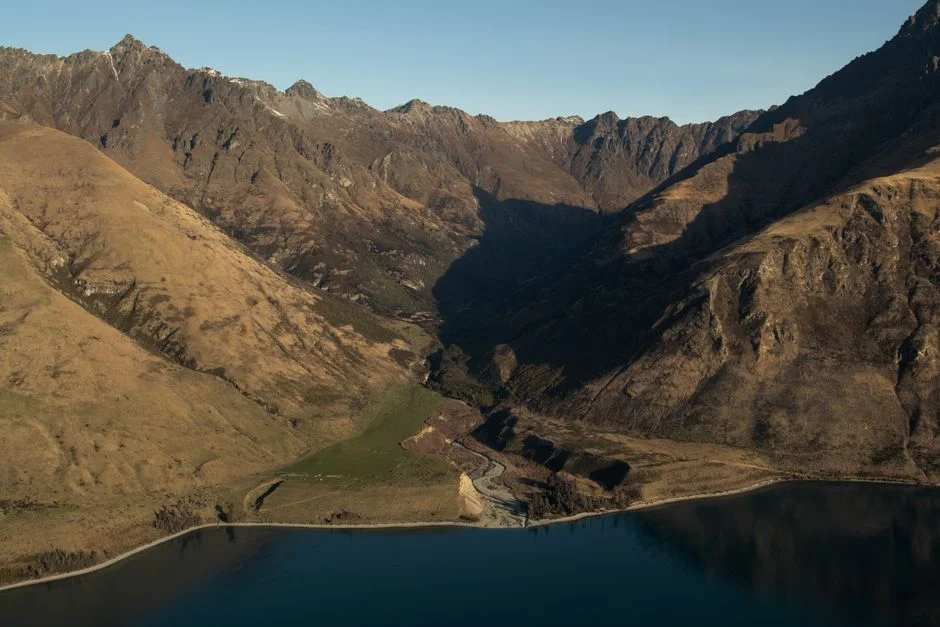
The moment his helicopter touched down on that exposed ridge above the Dart Valley, his guide turned to him and said words that would define the next four hours: "Turn left and I'll be sliced into a thousand pieces." The guide was joking. Miller was not entirely sure.
"I had trained for this, read every account I could find, watched videos until they blurred together," Miller told reporters in a phone interview from his home in Bristol. "But nothing prepares you for standing on a ledge with a 400-metre drop on one side and a trail so narrow you cannot see your handlebars."
The Economics of Adrenaline
New Zealand's adventure tourism sector generates approximately NZ$1.5 billion annually, with heli-biking experiences representing one of its fastest-growing premium segments. Operators report booking windows extending six months or more for their most sought-after routes, particularly those combining high-altitude access with technical downhill sections that appeal to experienced mountain bikers willing to pay NZ$800 to NZ$2,200 per person for a single day.
Helicopter companies in the Otago region have responded to this demand by expanding their tourism-focused fleets. Southern Lakes Helicopters, one of the longest-established operators serving the mountain biking community, confirmed it has increased its charter capacity by 30% since 2022 to meet growing interest from both domestic and international riders.
What the Guiding Industry Learns


Steve Coyle, who has guided mountain biking expeditions throughout the Southern Alps for sixteen years, said the profile of clients seeking these experiences has shifted dramatically. Where once the typical rider was a competitive cyclist in their twenties or thirties, now guests range from corporate executives in their fifties seeking physical challenges to retired professionals who have trained specifically for bucket-list adventures.
"The expectations are different now," Coyle explained. "People arrive having watched drone footage of these trails, having studied the topography on apps, having talked to previous riders online. They know what they want, and they are paying for certainty as much as for the experience itself."
This demand for predictability in an inherently unpredictable environment has pushed guiding companies to invest heavily in safety protocols, weather monitoring systems, and real-time communication equipment. The cost of these operational improvements gets passed directly to consumers, contributing to the rising price tags attached to premium heli-access experiences.
Insurance and Liability Considerations
The legal framework governing adventure tourism in New Zealand creates complex liability arrangements that operators must navigate carefully. Under the Health and Safety at Work Act 2015, guiding companies bear significant responsibility for client welfare, yet participants must also acknowledge and accept inherent risks through signed waivers that specify the dangers of high-altitude, remote-terrain activities.
Several major insurers have developed specialist products for adventure tourism operators following a series of high-profile incidents that rattled the industry in the late 2010s. These policies typically carry premiums that reflect the technical difficulty of the terrain, the remoteness of extraction points, and the historical claim rates for specific trail sections.
The Business of Bucket Lists
For Miller, the decision to undertake the journey came after a period of reflection following his father's unexpected death in 2023. He liquidated a portion of his pension savings, booked a three-week trip combining the heli-biking experience with other remote cycling routes, and spent six months building up his fitness at a dedicated training facility in Cardiff.
"People questioned whether it was the right time, whether the money could be better used somewhere else," Miller said. "But I had watched my father spend twenty years saying he would do things eventually, and then eventually never came. I decided that this was the year."
His reasoning echoes patterns identified by travel economists studying post-pandemic consumer behaviour. A 2024 report from Tourism New Zealand noted that visitors from the United Kingdom consistently ranked among the highest per-capita spenders, with adventure and nature-based experiences commanding premium pricing that justified extended trip durations.
Regional Economic Ripples
The economic impact of high-end adventure tourism extends well beyond the operators directly providing services. Hotels and lodges in Queenstown, Wanaka, and the surrounding Lake District report that heli-biking guests typically extend their stays by several days, booking additional activities such as glacier hiking, bungee jumping, or scenic flights that round out their itineraries.
Local equipment retailers have also adapted their inventory to serve this demographic. Several bike shops in Queenstown's central district now stock premium trail bikes suitable for the technical demands of heli-access terrain, offering rental packages that can exceed NZ$150 per day during peak season.
The flow-on effects reach into restaurant bookings, transport services, and retail purchases that sustain employment in a region where seasonal tourism jobs represent a significant portion of local household income.
What Comes Next
Operators in the sector anticipate continued growth through 2025 and beyond, with particular interest from Asian markets as direct flight connections between New Zealand and major hub cities expand. Several guiding companies have begun developing simplified versions of their premium routes, designed to introduce newer riders to the heli-access concept before they commit to full-day technical expeditions.
Miller has already begun planning his return. He has identified three other trails that appear on various lists of essential experiences for serious mountain bikers, each requiring the combination of helicopter access and technical skill that makes these routes both extraordinarily rewarding and genuinely dangerous.
"My wife thinks I am slightly mad," he admitted. "But she also understands that some things are worth the risk, and some stories are worth telling however they end up."
See Also
- India and Oman Finalise Trade Pact — Key Energy Deal Amid Hormuz Tensions
- China Surges Ahead in Auto Industry — Global Carmakers Struggle to Compete
Under the Health and Safety at Work Act 2015, guiding companies bear significant responsibility for client welfare, yet participants must also acknowledge and accept inherent risks through signed waivers that specify the dangers of high-altitude, remote-terrain activities.Several major insurers have developed specialist products for adventure tourism operators following a series of high-profile incidents that rattled the industry in the late 2010s. Several bike shops in Queenstown's central district now stock premium trail bikes suitable for the technical demands of heli-access terrain, offering rental packages that can exceed NZ$150 per day during peak season.The flow-on effects reach into restaurant bookings, transport services, and retail purchases that sustain employment in a region where seasonal tourism jobs represent a significant portion of local household income.What Comes NextOperators in the sector anticipate continued growth through 2025 and beyond, with particular interest from Asian markets as direct flight connections between New Zealand and major hub cities expand.