Singapore Airlines (SIA) has officially announced adjustments to its flight schedule between Singapore and Japan following the impact of Typhoon Jangmi. The typhoon, which made landfall on October 1, has prompted significant disruptions in air travel, particularly affecting routes to Osaka, a key destination for business and tourism.
Typhoon Jangmi's Impact on Transportation
The storm's intensity has led to the cancellation of numerous flights in the region, with Japan's Meteorological Agency recording wind speeds exceeding 200 km/h. SIA has retimed its flights to ensure passenger safety and comply with air traffic regulations affected by the adverse weather conditions.
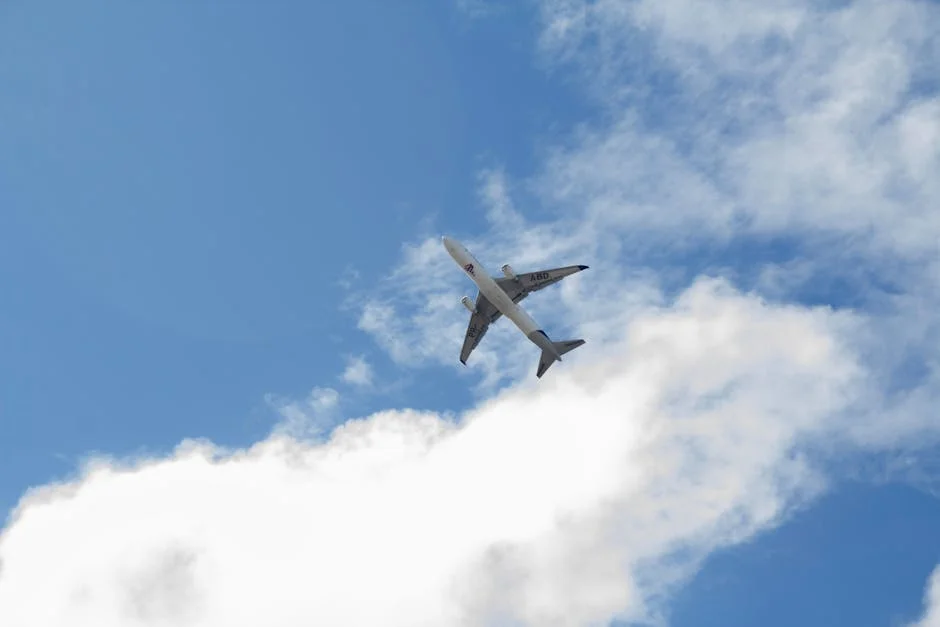
In a statement, SIA confirmed that flights to Osaka have been retimed as a precautionary measure. Passengers are encouraged to check their flight status online and to keep in contact with the airline for further updates as the situation evolves.
Market Reactions to Flight Disruptions

The adjustments to flight schedules are expected to impact various sectors, especially tourism and international business, which heavily rely on efficient air connectivity. According to the Singapore Tourism Board, Japan is one of Singapore's top travel markets, with over 1.4 million visitors in 2019 before the pandemic.
With Typhoon Jangmi's disruption, the delay in flight operations could lead to a temporary decline in travel bookings. Financial analysts predict a ripple effect on related businesses, including hotels and local attractions in Osaka, which may see a drop in foot traffic and revenue.
Implications for Airlines and Investors
Investors in the airline industry are closely monitoring the situation. The impact of severe weather on flight operations can influence airline stock prices, as operational disruptions often lead to increased costs and reduced passenger numbers. SIA shares experienced a slight dip following the announcement of flight retimings.
Industry analysts suggest that the long-term effects will depend on how quickly services can return to normal once the typhoon subsides. If flights can resume swiftly, the financial impact on SIA and its competitors may be minimal.
Businesses Adapt to Changing Conditions
Local businesses in Singapore that cater to travellers will need to adapt quickly to the changes in flight schedules. Restaurants, shops, and service providers are preparing for potential fluctuations in customer volumes as passengers rebook their travel plans.
For instance, companies within the hospitality sector are reassessing their staffing and inventory levels to align with the anticipated drop in occupancy rates. This situation underscores the need for agility in business operations, particularly in sectors vulnerable to sudden shifts in travel patterns.
Looking Ahead: Flight Operations and Recovery
As Typhoon Jangmi moves away from the coast of Japan, SIA is preparing to assess the viability of restoring its regular flight operations. The airline urged passengers to stay informed about developments on its official website and through social media channels.
Industry experts will be watching closely to gauge how quickly airlines can recover and resume normal operations. Furthermore, the impact on both the Singapore and Japanese economies will be a key area of focus in the coming weeks, especially as both countries navigate the aftermath of the storm.
See Also
- China's 'Excalibur of the East' Souvenir Swords Spark Airport Security Crackdown
- China Bans Ghost Kitchens — Food Delivery Apps Face Major Disruption
SIA shares experienced a slight dip following the announcement of flight retimings.Industry analysts suggest that the long-term effects will depend on how quickly services can return to normal once the typhoon subsides. Furthermore, the impact on both the Singapore and Japanese economies will be a key area of focus in the coming weeks, especially as both countries navigate the aftermath of the storm.