A programme returning Japan's iconic crested ibis to the wild has entered a critical phase, with conservation groups confirming the release of dozens of birds across multiple prefectures. The initiative, known as They Fly Again Once, has drawn attention from environmental funds and tourism operators looking to capitalise on what analysts describe as a measurable shift in the country's conservation economy.
From Edge of Extinction to National Symbol
The crested ibis, once reduced to fewer than 10 individuals in the wild during the 1980s, has staged a remarkable recovery. Japan's Ministry of Environment reported that the current population across managed habitats now exceeds 1,000 birds, a milestone reached after decades of captive breeding and habitat restoration efforts.
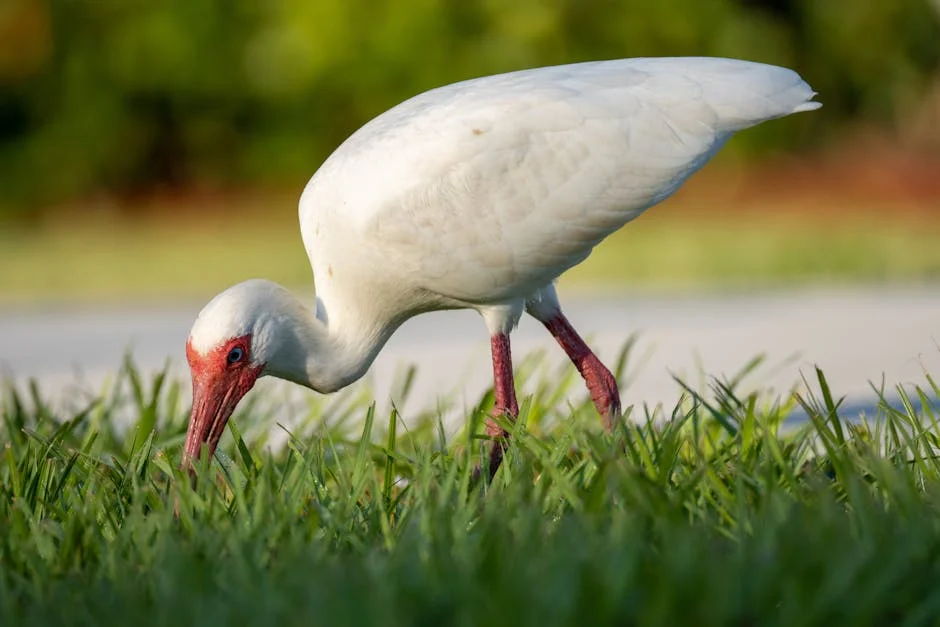
Sado Island in Niigata Prefecture serves as the primary release site. Wildlife officials have confirmed that at least 40 birds were introduced to the wild during the most recent breeding season, with plans to expand releases to additional regions by 2026. The Imperial family has maintained a long-standing association with conservation efforts, lending the programme a profile that extends beyond traditional wildlife circles.
Tourism Operators Position for Growth


Hotel chains and travel agencies in central Japan are already adjusting business models to accommodate anticipated interest from birdwatchers and eco-conscious travellers. Industry data suggests that wildlife tourism centred on flagship species generates between 15 and 20 per cent higher spending per visitor compared with standard holiday packages.
Several listed companies with exposure to domestic tourism have flagged conservation-linked attractions as potential growth drivers in recent investor communications. Analysts at equity research firms covering Japan's leisure sector note that successful conservation programmes often translate into tangible revenue opportunities within 24 to 36 months of reaching population milestones.
Investment Flows Into Conservation Enterprises
Venture capital activity in the conservation space has increased notably over the past five years, with Japanese environmental firms attracting funding for carbon offset programmes linked to habitat preservation. The crested ibis recovery offers a visible marker for such initiatives, giving investors a concrete metric to track outcomes.
International conservation organisations have contributed technical expertise and partial funding, creating partnerships that bring foreign capital into local projects. These arrangements frequently include provisions for intellectual property sharing, technology transfer, and co-branding opportunities that carry long-term commercial value.
Regulatory Tailwinds Support Expansion
Japan's revised biodiversity strategy, updated in 2023, includes targets for expanding certified eco-tourism sites by 30 per cent before the end of the decade. The strategy explicitly references flagship species recovery as a mechanism for generating both ecological and economic returns.
Local government bodies in Niigata and neighbouring prefectures have streamlined permitting processes for wildlife observation facilities, reflecting a broader policy stance that prioritises sustainable revenue generation over strict protection-only approaches. Officials at the Ministry of Agriculture, Forestry and Fisheries have separately indicated interest in exploring certification frameworks that would allow commercial use of ibis-related imagery under controlled conditions.
Supply Chain Implications for Adjacent Industries
Bird-safe infrastructure has emerged as a niche market within Japan's construction and infrastructure sector. Property developers working near release sites increasingly commission specialist assessments to minimise collision risks, creating demand for retrofitted glazing and structured lighting changes. This represents a tangible commercial stream linked directly to conservation outcomes.
Local suppliers of organic agricultural products have begun seeking certification that emphasises reduced pesticide use near ibis habitats. Several cooperatives in Niigata have already secured premium pricing arrangements with buyers in Tokyo and Osaka who market products as conservation-compatible. The price premium for such goods typically ranges from 8 to 12 per cent above conventional equivalents, according to trade data.
What Comes Next
The next release cycle is scheduled for October, with wildlife officials indicating that between 35 and 50 additional birds may be introduced to wild populations. A formal review of the programme's economic impact, commissioned by the Ministry of Environment, is expected to publish findings by March 2025. That report will determine whether expanded commercial partnerships receive official endorsement, a decision that investors in conservation-linked equities are watching closely.
Visitor numbers to Sado Island's observation centres have already exceeded pre-pandemic levels, according to local tourism board data. Whether that momentum sustains will depend on factors including exchange rate movements, domestic travel sentiment, and the success of ongoing breeding efforts.
See Also
- Singapore Tightens Refrigerant Rules, Impacts Vehicle and Supermarket Costs
- Myanmar Blast Kills 45 — and the Economic Ripple Effects Are Just Beginning
Officials at the Ministry of Agriculture, Forestry and Fisheries have separately indicated interest in exploring certification frameworks that would allow commercial use of ibis-related imagery under controlled conditions.Supply Chain Implications for Adjacent IndustriesBird-safe infrastructure has emerged as a niche market within Japan's construction and infrastructure sector. The strategy explicitly references flagship species recovery as a mechanism for generating both ecological and economic returns.Local government bodies in Niigata and neighbouring prefectures have streamlined permitting processes for wildlife observation facilities, reflecting a broader policy stance that prioritises sustainable revenue generation over strict protection-only approaches.