The Indian rupee dropped 34 paise to close at 95.19 against the US dollar on Monday, influenced by escalating crude oil prices and geopolitical turbulence in West Asia. With Iranian sanctions impacting global oil availability, the rupee’s decline is a consequence of increased import costs that directly affect local businesses and investors.
Impact of Crude Prices on Currency Value
As crude prices surge, they add pressure on the Indian economy, which relies heavily on oil imports. Currently, global crude prices have jumped over 60% this year, with Brent crude trading at approximately $92 per barrel. This rise has far-reaching implications for the rupee's value, contributing to its slide against the dollar.
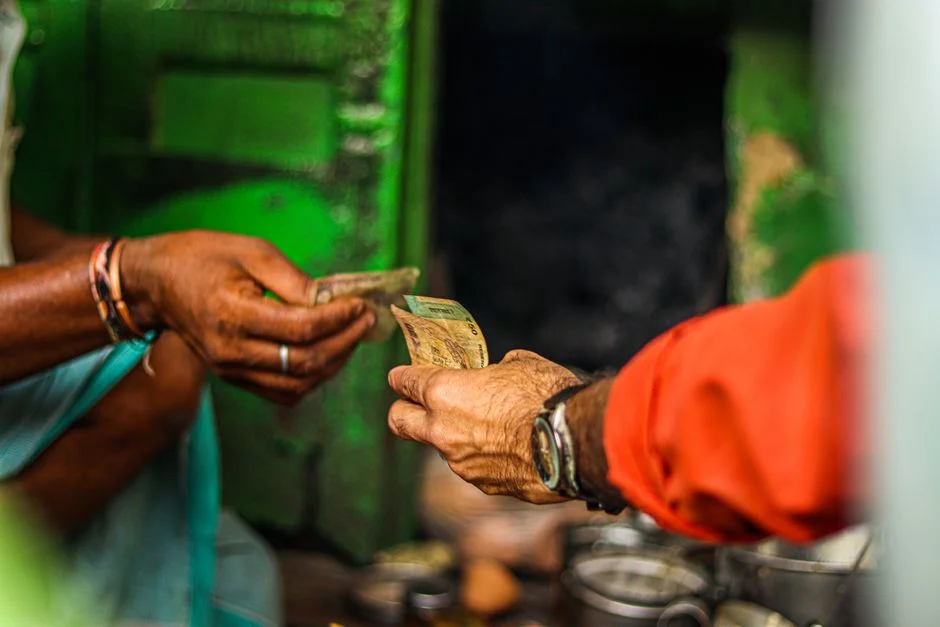
The depreciation of the rupee makes imports more expensive, further exacerbating inflationary trends in India. This scenario presents challenges for businesses that depend on imported goods or raw materials, especially in industries such as manufacturing and energy.
The Geopolitical Landscape


Iran's ongoing negotiations regarding its nuclear programme have a significant impact on oil markets. Any delay or conflict can lead to further sanctions, disrupting supply chains and creating volatility in oil prices. Geopolitical tensions in West Asia, including conflict and instability in regions like Iran, directly influence the global oil market, triggering concerns among investors.
Investors are keeping a close eye on developments in Iran, as these can inform their strategies regarding energy and currency investments. The uncertainty surrounding oil supply adds to the market's volatility, creating an environment where strategic decisions are critical.
Response from Indian Businesses
Business leaders in India have expressed growing concern over the impacts of the depreciating rupee. The Federation of Indian Chambers of Commerce & Industry (FICCI) highlighted that the increased import costs could lead to higher production prices, which would likely be passed on to consumers. This could dampen consumer demand and slow economic growth.
Furthermore, small and medium-sized enterprises (SMEs) that struggle with cash flow may find it increasingly difficult to manage operational costs, further exacerbating the effects of currency depreciation.
Investors React
The currency drop has prompted investors to reassess their portfolios, particularly those with significant exposure to Indian equities. The Bombay Stock Exchange (BSE) has seen fluctuations as foreign investors weigh the risks of investing in an economy facing rising costs and potential inflation.
Equities tied to energy sectors are under pressure, as rising oil prices could squeeze profit margins. Investors may also shift focus towards more stable asset classes, including bonds or commodities, in anticipation of further currency devaluation.
Future Outlook: What to Watch
Looking ahead, the Indian government and Reserve Bank of India (RBI) will need to monitor oil prices closely and engage in strategic interventions to stabilise the rupee. Upcoming economic data releases and monetary policy decisions will also play vital roles in shaping market sentiment and bolstering investor confidence.
In the near term, traders and businesses should keep an eye on developments in Iran and global crude prices, as these factors will likely dictate the rupee’s trajectory and broader market implications in the coming weeks.
See Also
- Sippinpurpp Demands Think Music Return to SG Markets
- Gandhi Slams Modi Over Norway Silence — Market Confidence Takes Hit