Indian Prime Minister Narendra Modi faced intense scrutiny from opposition leader Rahul Gandhi following a diplomatic summit in Norway, where critics accused the premier of evading key questions. The political friction in Oslo has sent ripples through financial markets, raising concerns about policy continuity and India’s global economic standing. Investors in Singapore and beyond are closely watching how this domestic political tension translates into tangible economic risks.
Political Friction Meets Economic Reality
The confrontation at the Norway summit highlighted a growing divide within India’s political landscape. Rahul Gandhi publicly questioned the Prime Minister’s transparency, suggesting that diplomatic silence could mask deeper economic uncertainties. Such high-profile disputes are no longer confined to the parliamentary floor; they increasingly influence investor sentiment and currency stability. Market participants view political cohesion as a critical component of economic stability in emerging markets.

India’s economy has shown resilience in recent quarters, driven by robust domestic consumption and a strong services sector. However, political instability can quickly erode these gains by delaying crucial legislative reforms. The uncertainty surrounding leadership communication styles may cause foreign direct investment (FDI) inflows to slow, particularly in sectors that rely heavily on government policy clarity. Businesses operating in New Delhi are now recalibrating their risk assessments based on these political developments.
Market Reactions and Investor Sentiment


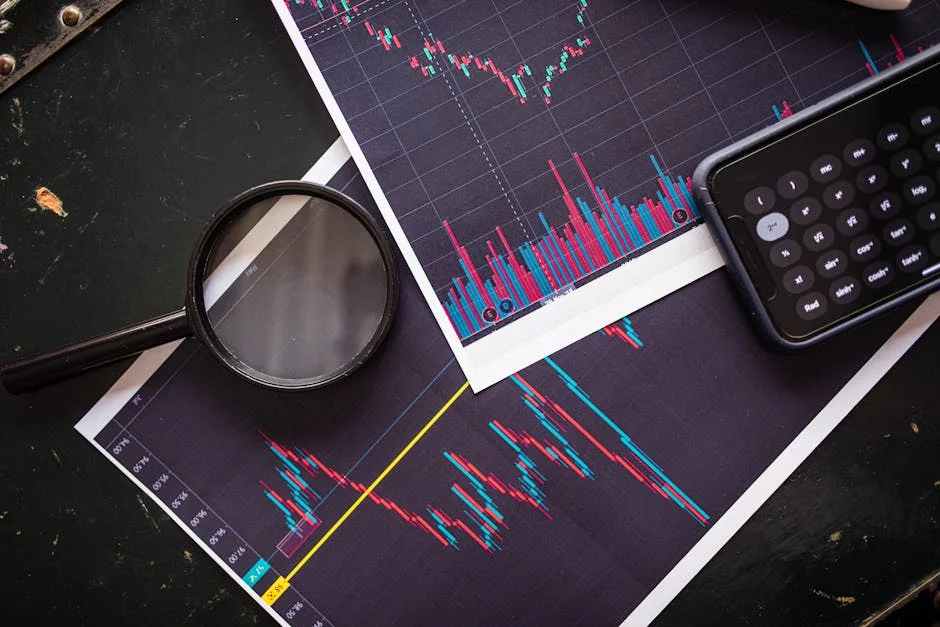
Financial markets reacted swiftly to the news from Norway, with the Nifty 50 index experiencing mild volatility. While the initial dip was modest, the underlying anxiety among institutional investors is palpable. Foreign portfolio investors (FPIs) are particularly sensitive to political noise, often adjusting their holdings in blue-chip Indian companies to hedge against policy shifts. The Indian rupee also faced pressure against the US dollar, reflecting broader concerns about the country’s diplomatic and economic narrative.
Singaporean investors, who hold significant stakes in Indian infrastructure and technology firms, are monitoring the situation closely. The clarity of India’s economic messaging is vital for maintaining confidence among Asian capital. Any perception that the government is losing its narrative control can lead to capital outflows, impacting liquidity in key sectors. Analysts in Singapore emphasize that political stability is a prerequisite for sustained economic growth in India.
Implications for Foreign Direct Investment
Foreign direct investment remains a cornerstone of India’s economic strategy, particularly in the manufacturing and technology sectors. Political disputes that undermine the government’s image can deter potential investors who value predictability and transparency. Companies considering expansion into India may pause their decisions, awaiting clearer signals on the political and economic trajectory. This hesitation can have a compounding effect on job creation and infrastructure development.
Key Sectors at Risk
Several sectors are particularly vulnerable to political uncertainty. The technology industry, which relies on global partnerships and clear regulatory frameworks, faces immediate risks. Infrastructure projects, often dependent on government approvals and subsidies, may experience delays if political attention shifts away from economic priorities. The automotive sector, a major contributor to India’s GDP, also requires stable policy environments to maintain production schedules and export competitiveness.
- Technology firms may delay expansion plans due to regulatory uncertainty.
- Infrastructure projects could face funding bottlenecks amid political distractions.
- Automotive exports might suffer if policy incentives are not clearly communicated.
The Role of Diplomatic Engagement
Diplomatic engagements are not just about bilateral relations; they also serve as platforms for showcasing economic opportunities. The Norway summit was intended to highlight India’s role as a key player in the global economy. However, the internal political criticism has overshadowed these economic narratives, potentially weakening India’s appeal to international partners. Effective diplomacy requires a unified front, and internal discord can send mixed signals to foreign investors and allies.
The Prime Minister’s approach to international forums is closely watched by markets as an indicator of policy direction. Any deviation from established economic messaging can create confusion among stakeholders. Investors rely on consistent communication to make informed decisions, and political noise can disrupt this clarity. The challenge for the Indian government is to balance domestic political battles with the need for a coherent economic narrative on the global stage.
Business Confidence and Policy Continuity
Business confidence is fragile and can be easily shaken by political instability. Indian corporations are already navigating a complex global economic environment, characterized by inflationary pressures and supply chain disruptions. Adding political uncertainty to this mix can further strain business operations and strategic planning. Companies need assurance that government policies will remain consistent, allowing them to invest with confidence.
The opposition’s criticism of the Prime Minister’s communication style raises questions about the government’s ability to maintain a steady economic course. If political battles dominate the national discourse, economic reforms may take a backseat. This could slow down India’s growth trajectory and reduce its competitiveness relative to other emerging markets. Businesses in Singapore and other regional hubs are keenly aware of these dynamics and are adjusting their strategies accordingly.
Long-Term Economic Consequences
The long-term economic consequences of political instability can be profound. Persistent uncertainty can lead to a “wait-and-see” approach among investors, resulting in slower capital formation and innovation. Over time, this can erode India’s comparative advantage in the global market. The country needs to project an image of stability and predictability to attract sustained investment and foster economic growth. Political cohesion is therefore not just a domestic concern but a critical economic imperative.
Moreover, the perception of India’s global image is tied to its economic performance. A strong diplomatic presence reinforces economic credibility, while internal political strife can weaken it. The government must ensure that political disputes do not overshadow economic achievements. Maintaining a positive narrative is essential for sustaining investor confidence and ensuring long-term economic prosperity. The stakes are high, and the window for effective action is narrowing.
What to Watch Next
Investors should closely monitor the upcoming budget announcements and key economic policy decisions. The government’s response to the political criticism will provide insights into its priorities and strategic direction. Any significant policy shifts or delays in legislative reforms will be closely watched by markets. The next few weeks will be critical in determining whether the political friction in Norway translates into lasting economic impacts. Stay tuned for further developments as India navigates this complex political and economic landscape.
See Also
- Yastika Bhatia's Blitz Seals India's Dominant T20 Win Over England at Chelmsford
- India Women Secure Victory Against England Women in Thrilling T20 Clash