Food Republic announced the closure of its Beijing locations this week, joining a growing trend of foreign brands retreating from the Chinese market. The closure of their flagship outlet in Wangfujing, a prime shopping district, has raised concerns among investors about the viability of international brands in China.
Beijing's Retail Landscape Shifts
Food Republic's exit is part of a broader trend, with foreign brands facing increasing challenges in China. As of September 2023, more than 1,000 international retailers have closed or downsized their operations in major cities. The pandemic and shifting consumer preferences have compounded these challenges, leading many companies to reassess their positions in the world's second-largest economy.
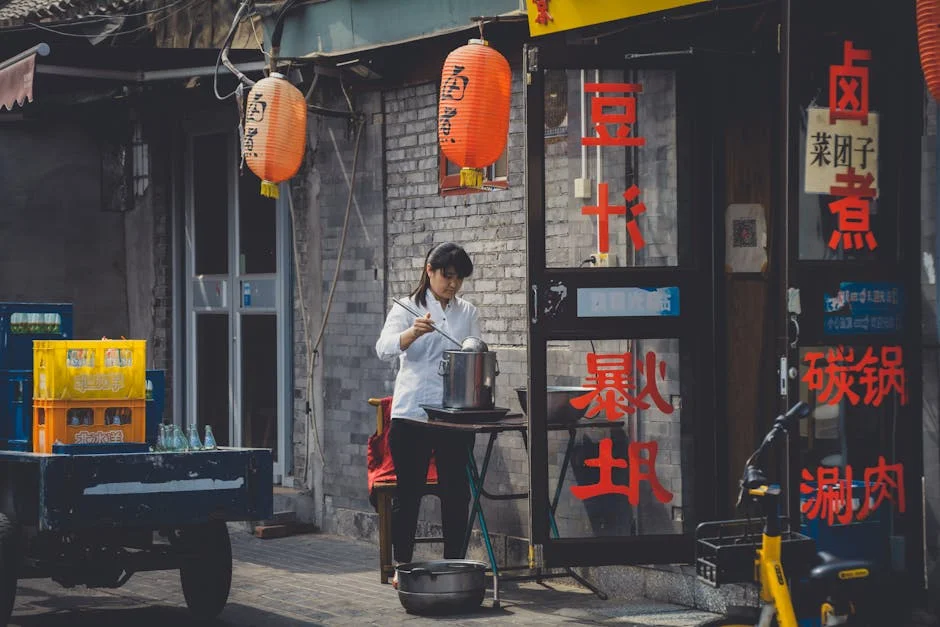
The impact of these closures on the Chinese retail market is significant. Food Republic had positioned itself as a prominent player in the food court sector, offering a range of dining options to local and foreign consumers. Their departure signifies not only a loss of jobs but also a shift in consumer behaviour as shoppers seek alternatives among domestic brands.
Corporate Response and Market Reactions


Following the announcement, shares in various foreign retail stocks fell sharply as analysts downgraded their forecasts for growth in China. Investors reacted quickly, with a 5% drop in share prices for operators like Dairy Farm International, which has significant exposure to China.
Food Republic's closure highlights the challenges faced by foreign brands in adapting to local tastes and navigating regulatory hurdles. In an official statement, CEO Andrew Tan noted that “the decision was made after careful consideration of the market dynamics and our long-term strategy.”
Implications for Singapore Businesses
The exit of Food Republic may also have implications for Singaporean businesses looking to enter the Chinese market. With increasing operational costs and shifting consumer preferences, potential investors may need to rethink their strategies. Insights from this closure may inform how SG companies approach expansion into similar markets.
Singaporean brands that have established a presence in China will likely be monitoring these developments closely. The experience of Food Republic serves as a warning about the potential pitfalls of international expansion in volatile markets.
Consumer Preferences Shift Towards Local Brands
One of the key factors leading to Food Republic's closure is the significant shift in consumer preferences towards local brands. Chinese consumers have increasingly favoured homegrown restaurants that cater to local tastes. This trend has been reflected in food court offerings across major cities, where international chains are struggling to compete.
Food Republic's strategy of appealing to both local and foreign consumers may not have been sufficient in a rapidly evolving market that now prioritises familiarity and authenticity. Reports indicate that local brands have seen a surge in sales, with some domestic competitors reporting increases of up to 30% compared to last year.
Looking Ahead: What to Watch for in 2024
The fallout from Food Republic's exit will likely prompt other foreign brands to reevaluate their operations in China. As the Chinese economy continues to evolve, businesses must adapt to changing consumer landscapes and economic conditions.
Investors should keep an eye on upcoming market reports and consumer sentiment surveys, which may indicate further shifts in retail dynamics. The next quarter will be crucial as companies reevaluate their strategies in light of these changes, providing insights into the future of foreign investment in China.
See Also
- Indonesia's 67,800-Year-Old Cave Art Makes History — And Investors Are Paying Attention
- India LPG Hike Hits Mumbai, Delhi — Costs Surge Now
This trend has been reflected in food court offerings across major cities, where international chains are struggling to compete.Food Republic's strategy of appealing to both local and foreign consumers may not have been sufficient in a rapidly evolving market that now prioritises familiarity and authenticity. The experience of Food Republic serves as a warning about the potential pitfalls of international expansion in volatile markets.Consumer Preferences Shift Towards Local BrandsOne of the key factors leading to Food Republic's closure is the significant shift in consumer preferences towards local brands.