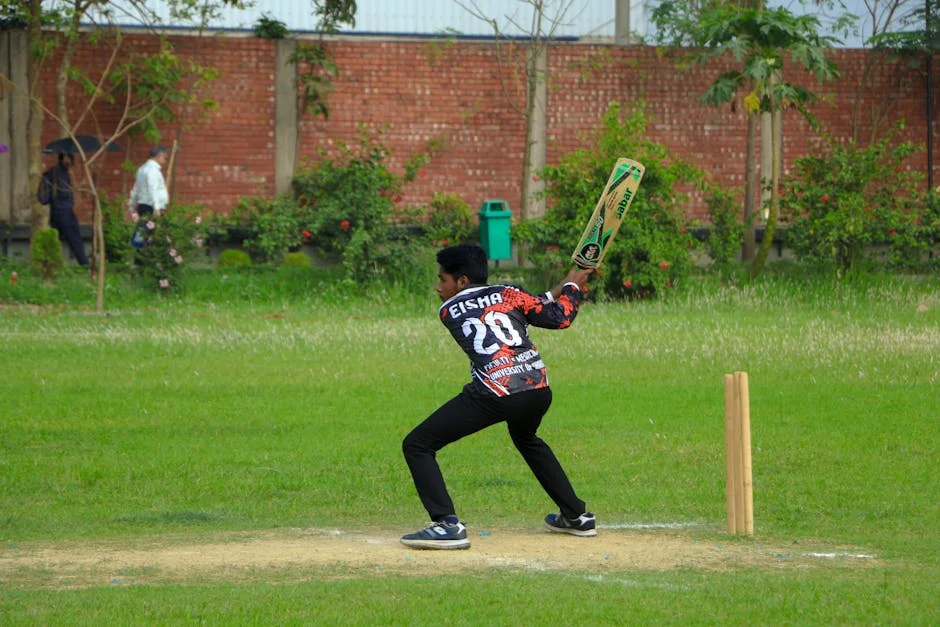
India and Afghanistan meet in their second One Day International on Thursday, with millions of viewers expected to tune in across the subcontinent and beyond. The match, scheduled for an evening start, will be broadcast on major sports networks with digital streaming options available for mobile and web users in Singapore and other regional markets.
Match Details and Viewing Options
Fans in Singapore can access live coverage through subscription streaming platforms that hold sub-licensing agreements with Asian broadcast rights holders. The match begins at 7:30 PM Singapore Time, with pre-match analysis starting thirty minutes earlier. Several regional pay-TV operators have confirmed carriage deals for the coverage, allowing viewers to watch without purchasing separate sports packages.
The first ODI between the two nations produced competitive cricket despite the ranking disparity, drawing solid viewership numbers across broadcast and digital platforms. Afghanistan's performances against established cricketing nations continue to attract attention from rights holders seeking to grow their audience share in emerging markets across South Asia.
The Economics of Cricket Broadcasting Rights


The India national cricket team's matches command premium advertising rates across all formats, with ODIs against any opponent typically delivering audience figures that justify significant investment from advertisers. Broadcasting companies have paid substantial sums to secure rights for Indian cricket, creating a revenue model that depends on consistent high viewership numbers for both traditional television advertising and digital subscription growth.
Media analysts in Mumbai and Singapore track these viewership metrics closely because they directly influence advertising rate cards and subscription pricing for the next rights cycle. The current broadcasting agreements with the Board of Control for Cricket in India run through the end of the decade, with the next round of bidding expected to attract fierce competition from streaming platforms and traditional broadcasters alike.
Advertising Revenue and Sponsorship Deals
Cricket matches involving India generate advertising revenue that flows through multiple layers of the media supply chain. Brands targeting South Asian consumers in Singapore and elsewhere pay premium rates during commercial breaks, with the India versus Afghanistan fixture offering access to a demographic that includes both Indian diaspora communities and local sports fans.
Sponsorship activations around these matches extend beyond television commercials. Broadcasters often package digital streaming rights with branded content, interactive features, and social media integration that command additional fees from corporate sponsors. The advertising ecosystem surrounding Indian cricket represents one of the most valuable sports media markets in Asia, if not the world.
What Investors Are Watching
Media companies listed on stock exchanges have seen their valuations tied closely to cricket viewership data in recent years. Streaming platform subscribers and television viewership ratings both factor into quarterly earnings reports, with investors treating major bilateral series as indicators of platform health and growth trajectory.
The match serves as a data point for measuring how effectively broadcasters retain and grow their subscriber bases during the off-season between major international tournaments. Sports rights holders use these regular bilateral fixtures to demonstrate the value of their content libraries to both advertisers and investors evaluating long-term content strategies.
Broader Market Implications
The cricket broadcasting industry supports a substantial employment base across production, distribution, and digital infrastructure. Production crews, commentary teams, and technical staff work these fixtures regularly, with the economic activity generated by broadcast operations flowing to production houses, technology providers, and hospitality venues that host travelling production teams.
Regional sports broadcasters compete aggressively for viewership during Indian cricket fixtures, which typically dominate sports consumption charts during any given week they are scheduled. This competition drives innovation in streaming technology, with platforms investing in infrastructure to handle peak viewership during high-demand matches.
Looking Ahead
The third and final ODI of the series is scheduled for Sunday, which will determine whether India secures a series victory or Afghanistan can level the contest. Broadcasters will be tracking viewer numbers across all three matches to assess the commercial performance of this particular bilateral series, with the data influencing decisions about future rights acquisitions and programming strategy.
For investors and media executives, the India-Afghanistan series offers a case study in how smaller cricketing nations contribute to the overall value of the broadcast rights ecosystem. Afghanistan's growing competitive standards mean these fixtures have become more commercially viable, a trend that could reshape how bilateral series are valued in the next round of broadcasting negotiations.
See Also
- China Launches AI-Powered Barbers — Haircuts Drop Below €1
- North India Heatwave Triggers Market Volatility
Streaming platform subscribers and television viewership ratings both factor into quarterly earnings reports, with investors treating major bilateral series as indicators of platform health and growth trajectory.The match serves as a data point for measuring how effectively broadcasters retain and grow their subscriber bases during the off-season between major international tournaments. Afghanistan's growing competitive standards mean these fixtures have become more commercially viable, a trend that could reshape how bilateral series are valued in the next round of broadcasting negotiations.