Primeiros, a Chinese technology company, has introduced robotic barbers that offer haircuts for less than €1. This unprecedented move comes as the company aims to disrupt traditional barbering services with its AI-driven solutions, targeting cost-conscious consumers across urban environments.
Disruption in the Barbering Industry
The advent of AI-powered barbers is set to shake up the hairdressing sector significantly. On average, traditional haircuts can range between €10 to €30, but Primeiros' robots promise a quality trim for a fraction of that price. The company has already begun operations in major cities, including Shanghai, where it plans to expand its services widely.
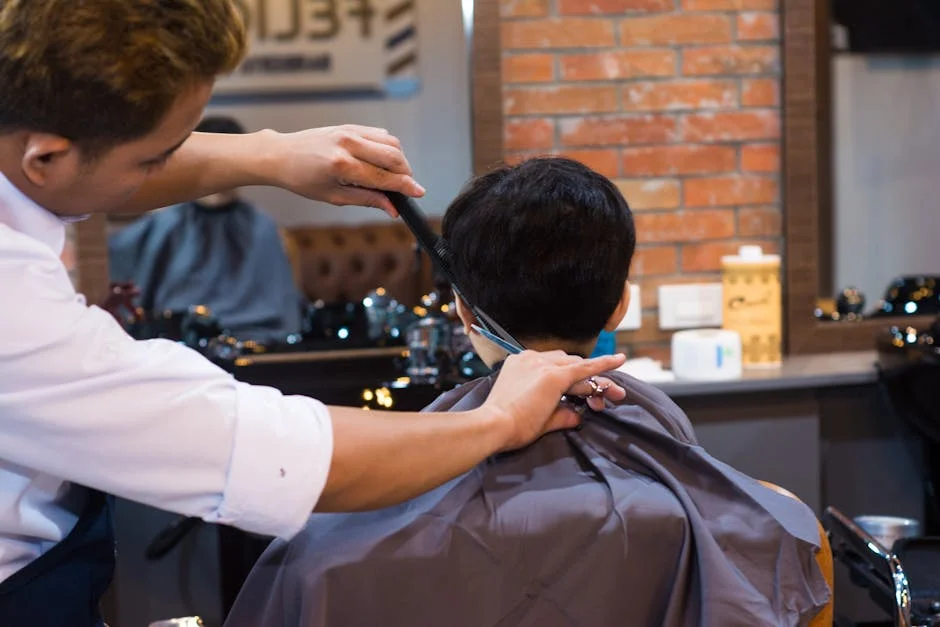
Primeiros claims that its robotic technology can perform a haircut in under ten minutes, while maintaining high standards of precision. This efficiency not only reduces wait times for customers but also significantly cuts down on labour costs for businesses, which may ultimately reshape pricing strategies in the sector.
Market Reactions to Robotic Solutions


The introduction of robotic barbers has garnered mixed reactions from industry stakeholders. While investors see potential for enhanced profit margins, traditional barbers worry about job security. In a recent survey conducted by the Chinese Ministry of Industry and Information Technology, over 60% of barbers expressed concern that such technology could replace human jobs, especially in densely populated areas.
On the stock market, shares of Primeiros surged by 15% following the news of the launch. Investment analysts suggest that this could be an indicator of a broader trend towards automation in personal care services. As robotic technology improves, other sectors may soon follow suit, leading to significant shifts in both consumer habits and employment landscapes.
Implications for Businesses
For barbershop owners, adapting to this change will be crucial. Many may need to rethink their business models to remain competitive in a landscape increasingly dominated by cost-effective technological solutions. Strategies might include enhancing customer service, diversifying services offered, or even incorporating some level of automation themselves.
Moreover, suppliers of hair care products may face new challenges as demand fluctuates with the rise of robotic barbers. Traditional products might become less relevant as robotic systems could require specialised supplies, altering established supply chains.
Consumer Perspective
Consumers are likely to benefit from lower prices and faster services. In a city where convenience is key, the appeal of a quick haircut for less than €1 could attract a large customer base. Primeiros has already reported high demand in Shanghai, with long queues forming outside their initial locations.
However, some consumers may opt for the human touch, valuing the personal interaction and style advice that traditional barbers provide. This may indicate a future where both robotic and human barbers coexist, catering to varying preferences among different demographics.
Looking Ahead: What to Watch
As Primeiros expands its reach, industry observers will be monitoring its impact closely. Upcoming plans include launching in other metropolitan areas across Asia and potentially venturing into Western markets. The company aims to have 100 robotic barbers operational by the end of 2024.
Investors should keep a keen eye on how established barbershops respond to this disruption. Will they adapt, or could we see a wave of closures? The ongoing dialogue about automation and employment will also be a critical narrative to follow in the coming months.
See Also
- Mexico vs South Africa Ticket Prices Surge — What Investors Should Watch
- Sabeer Bhatia Slams Viral Garba Dance on Vietnam Airport Tarmac — What’s Next?
What is the latest news about china launches aipowered barbers haircuts drop below 1?
Why does this matter for education?
What are the key facts about china launches aipowered barbers haircuts drop below 1?