Guinness World Records officially recognised a 67,800-year-old cave painting in Indonesia last week, marking it as the oldest known figurative art ever documented. The discovery on the island of Sulawesi challenges long-held assumptions about when our ancestors began expressing complex thought, and it is already reshaping how governments, businesses, and tourism operators view Indonesia's cultural assets.
What the Record Confirms
The painting depicts a wild pig rendered in deep red ochre on the ceiling of a limestone cave in South Sulawesi. Scientific analysis using uranium-series dating confirmed the image predates European cave art by roughly 50,000 years. Indonesia's Research and Innovation Agency, known locally as BRIN, coordinated the verification process that led to the Guinness acknowledgment.
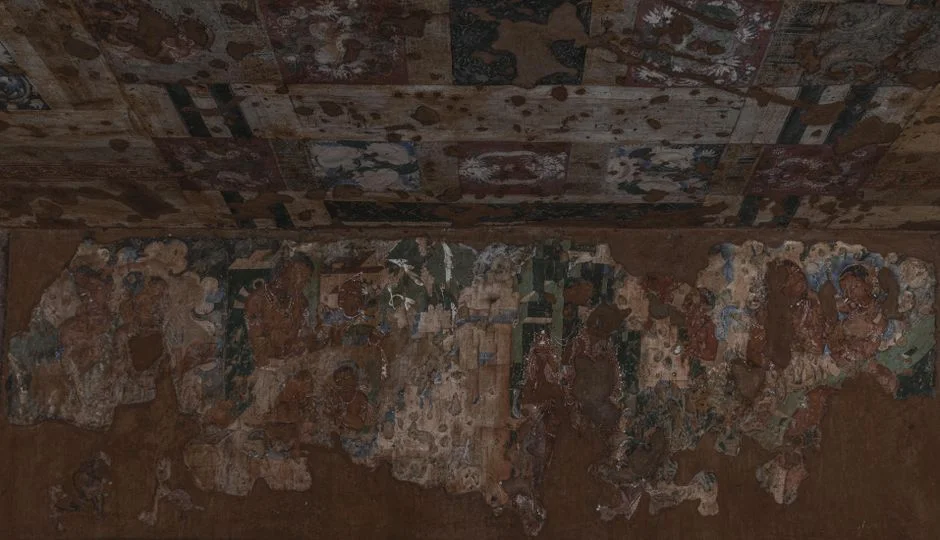
Archaeologists involved in the project confirmed the artwork represents the earliest known evidence of narrative depiction by Homo sapiens anywhere on the planet. The finding reinforces the hypothesis that symbolic thinking emerged in Asia long before it appeared in Europe.
From Discovery to Destination


Sulawesi's karst cave systems have drawn archaeologists for decades, but the Guinness recognition transforms the site's economic potential. Cultural tourism specialists estimate that heritage sites with world record status attract between 30 and 60 percent more international visitors compared to similar sites without such designation.
Indonesia's Tourism and Creative Economy Ministry has already signalled interest in developing the surrounding region as a heritage corridor. The plan would connect cave sites across South Sulawesi with existing tourism infrastructure in Makassar, the province's largest city.
What This Means for Local Businesses
Hotel operators and transport companies in Makassar are beginning to assess how to position themselves for an expected surge in heritage-focused visitors. Small guesthouses near the cave sites could see demand spike, but industry observers note that infrastructure gaps remain significant. Roads connecting remote karst areas to the provincial capital require upgrades, and the caves themselves need controlled-access systems to prevent damage.
Guided tour operators who previously focused on beaches and diving sites are now exploring partnerships with archaeological teams. Some conservation groups have warned that rapid tourism development could threaten the very asset driving interest.
The Preservation Dilemma
Balancing access and protection sits at the centre of the emerging debate. The cave housing the record-holding painting contains multiple layers of artwork spanning tens of thousands of years. Each additional visitor introduces carbon dioxide and humidity that accelerate deterioration of the pigment layers.
BRIN officials have proposed a digital preservation strategy that would allow global access without physical presence. High-resolution 3D scanning could eventually enable virtual cave tours, replicating the experience while eliminating foot traffic risks. The technology exists, but funding remains uncertain.
International cultural heritage organisations have reached out to Jakarta with offers of technical assistance. Their interest reflects broader concern about managing increasing global demand for authentic archaeological experiences. Museums in Europe and North America have faced similar pressures with Paleolithic cave sites in France and Spain.
Singapore Investors Eye the Opportunity
Indonesian tourism equities have shown modest gains since the Guinness announcement, though analysts caution against attributing the movement solely to the cave art recognition. Singapore-based fund managers with exposure to Indonesian consumer and hospitality sectors have begun requesting briefings on heritage tourism potential.
Private equity sources confirm preliminary discussions about financing boutique heritage lodges in South Sulawesi. The proposed developments would target higher-spending tourists seeking culturally significant experiences rather than budget backpackers.
The pitch resonates with broader trends in luxury travel, where archaeological and anthropological destinations command premium pricing. Operators in Jordan, Peru, and Egypt have demonstrated that world record heritage sites can support high-margin tourism businesses.
Government Investment Decisions Loom
Indonesia's central government faces pressure to allocate resources for site management before tourist numbers climb. The Culture Ministry's current budget for archaeological site maintenance covers less than half of identified needs nationwide, according to budget documents reviewed by local media.
Provincial officials in South Sulawesi have submitted a funding proposal requesting federal support for visitor infrastructure. The request includes funds for a research centre that would establish Indonesia as a hub for Paleolithic art studies, potentially attracting international research grants and academic conferences.
Whether Jakarta approves the full request before tourist arrivals accelerate remains unclear. The competing priorities of economic development and scholarly investment will define the site's trajectory over the next three years.
What Comes Next
Archaeologists continue surveying other caves in the Sulawesi karst region. Their findings could further strengthen Indonesia's claim as a centre of early human symbolic expression. Each additional discovery raises the profile of the region and the stakes for responsible management.
Watch for the Tourism Ministry's formal heritage corridor announcement, expected within the next quarter. The plan's scope and funding structure will signal whether Indonesia intends to position South Sulawesi as a premium archaeological destination or simply leverage the Guinness record for short-term tourism gains.
Investors tracking Indonesian consumer sectors should monitor hotel development permits and airport expansion discussions in Makassar. Infrastructure commitments in the next twelve months will indicate how seriously the government takes the economic promise of its newest world record.
See Also
- Proteas Unite Ahead of Women's T20 World Cup — Spark for Local Investment
- Japan Reveals Deep-Sea Drone in Race to Secure Rare Earths
Their interest reflects broader concern about managing increasing global demand for authentic archaeological experiences. The proposed developments would target higher-spending tourists seeking culturally significant experiences rather than budget backpackers.The pitch resonates with broader trends in luxury travel, where archaeological and anthropological destinations command premium pricing.
What is the latest news about indonesias 67800yearold cave art makes history and investors are paying attention?
Why does this matter for education?
What are the key facts about indonesias 67800yearold cave art makes history and investors are paying attention?