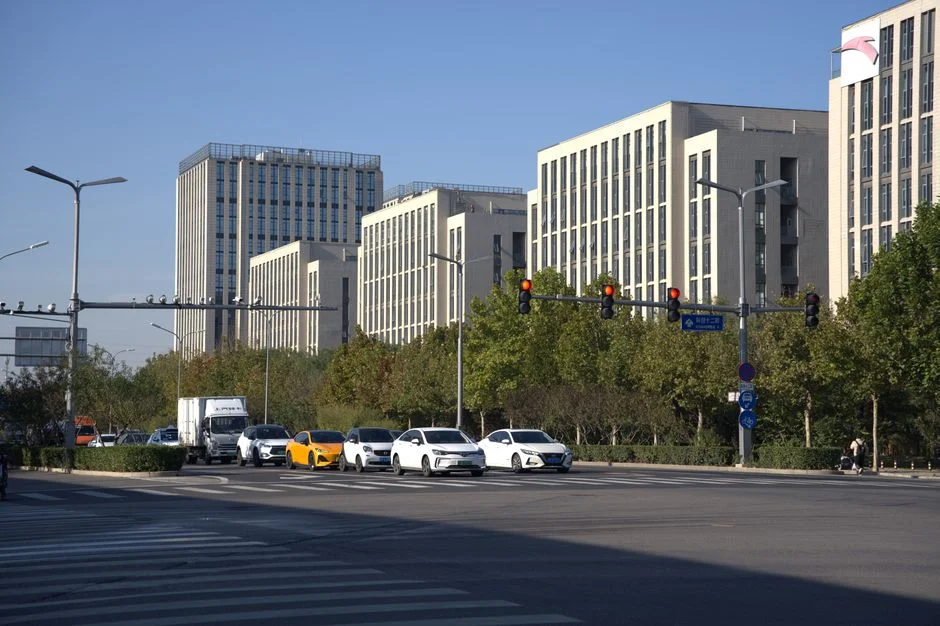
China's surveillance technology exports reached a staggering $4.5 billion in 2023, raising alarms in markets worldwide. This surge has drawn criticism from human rights advocates and governments in the West, concerned about the implications for global privacy standards. The Ministry of Industry and Information Technology in China confirmed this significant increase, pointing to a growing demand for surveillance solutions across emerging economies.
Rising Demand for Surveillance Solutions
Recent reports indicate a 30% increase in the export of surveillance systems from China compared to 2022. Countries in Asia, Africa, and South America are now integrating Chinese technology into their security frameworks. This trend highlights a shift in global surveillance practices and suggests that China is positioning itself as a leader in the industry, potentially sidelining Western suppliers.

The demand for advanced monitoring solutions has spurred many nations to adopt these technologies. Nations like Iran, Venezuela, and Myanmar are turning to Chinese firms for robust surveillance systems. This opens significant doors for Chinese companies but raises questions about the ethical implications of such exports.
Impact on Global Markets


The growth in China's surveillance exports is likely to disrupt international markets. Companies in Western nations may face increased competition from Chinese firms that offer similar services at lower costs. The market for surveillance technology, which was valued at approximately $24 billion in 2023, may witness rapid changes as China's influence expands.
Investors are closely watching this trend. With increased exports, companies like Hikvision and Dahua Technology are expected to see their stock values rise. However, there could be a backlash, as many Western businesses may choose to avoid associations with Chinese suppliers due to reputational risks.
Political and Economic Consequences
As China ramps up its surveillance technology exports, geopolitical tensions are likely to escalate. Western nations may retaliate with sanctions or trade barriers aimed at protecting their telecommunications and technology sectors. The potential for strained relations could impact not only bilateral trade agreements but also multinational collaborations.
For countries adopting these technologies, concerns about privacy and civil liberties could lead to internal unrest. Governments may face pushback from their citizens regarding the introduction of such invasive technologies, particularly in regions with existing human rights challenges.
What This Means for Investors
Investors must navigate a complex landscape as China's surveillance exports reshape global markets. While Chinese tech companies may seem poised for growth, potential regulatory actions in the West could impact their long-term viability. Analysts urge investors to conduct thorough due diligence before committing to stocks in this sector.
Moreover, the investment landscape may shift as companies reconsider their supply chains and partnerships to mitigate risks associated with backlash against surveillance technology. This may lead to increased investments in alternatives or innovations within the same space.
The Future of Surveillance Technology
Moving forward, the ramifications of China's surveillance export boom are significant. Many countries will likely evaluate their own surveillance policies in light of the growing influence of Chinese technology. This could catalyse a rethinking of privacy regulations worldwide, with nations either adopting or rejecting similar frameworks in response to their citizens' concerns.
Upcoming international dialogues focused on privacy rights and technology regulation will be critical. Stakeholders from various sectors will need to engage in discussions about the ethical implications of surveillance technology, particularly as it infiltrates nation-states with weak human rights records.
See Also
- India Warns Coastal Districts of 1°C Temperature Rise by 2040 — Markets Brace for Impact
- Joana Shifts Douro Landscape — How Porto's Changes Impact Businesses in SG
The potential for strained relations could impact not only bilateral trade agreements but also multinational collaborations.For countries adopting these technologies, concerns about privacy and civil liberties could lead to internal unrest. This could catalyse a rethinking of privacy regulations worldwide, with nations either adopting or rejecting similar frameworks in response to their citizens' concerns.Upcoming international dialogues focused on privacy rights and technology regulation will be critical.