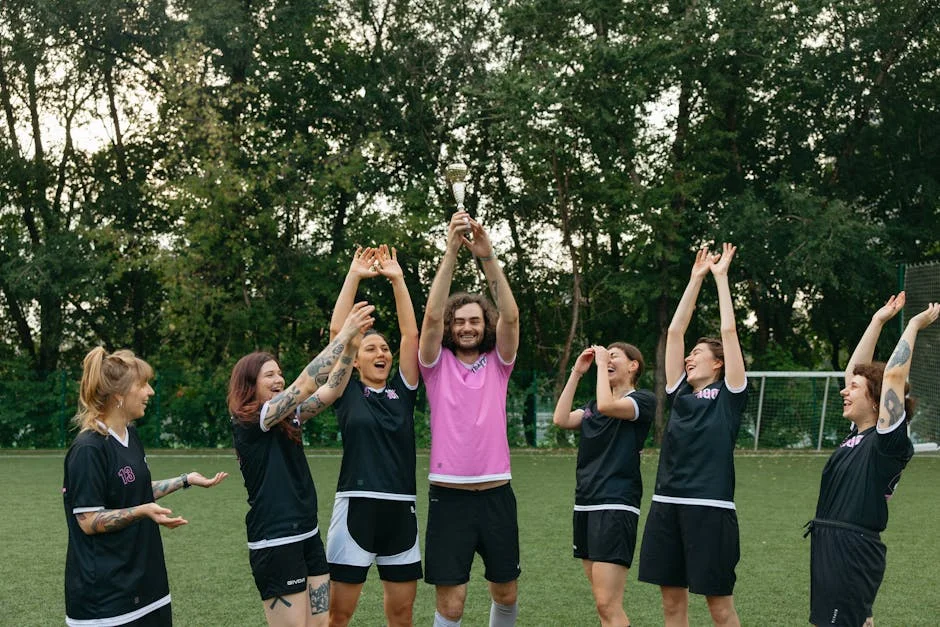
Melanie Wright, a prominent advocate for para-sports, expressed enthusiasm for the upcoming Commonwealth Games 2026 scheduled to be held in Glasgow, Scotland. With the announcement of a robust para-athlete cohort, the event is poised to potentially reshape how inclusive sports engage fans and investors alike.
Growing Para-Sports Participation in Glasgow
The Commonwealth Games 2026 is set to feature a significant increase in para-sports participation, with more than 50 per cent of countries expected to send athletes. This statistic, confirmed by the Commonwealth Games Federation, signifies a major commitment to inclusivity in athletics, which could lead to enhanced visibility and support for para-athletes.
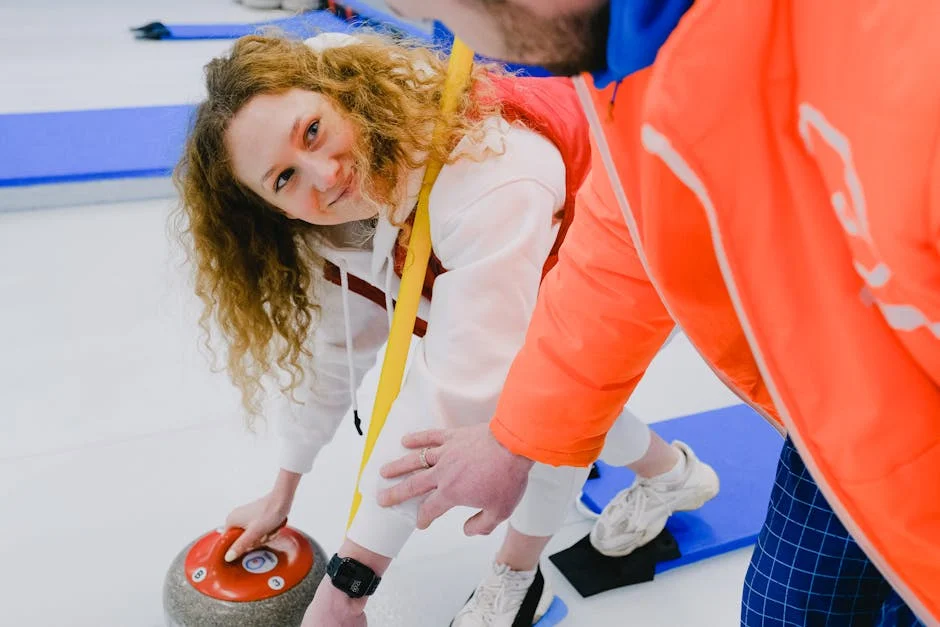
Wright noted the energy surrounding this development, saying, "The increased participation of para-athletes is a testament to the progress we have made in sports inclusivity. Glasgow 2026 will further highlight these athletes' exceptional talents and stories." Such representation can potentially lead to increased sponsorship and funding opportunities for para-sports.
Economic Impact on Glasgow and Beyond


As Glasgow prepares for the Commonwealth Games, the local economy is expected to benefit significantly. The 2026 event is projected to generate upwards of £65 million for the Glasgow area through tourism, hospitality, and sports-related activities. This influx of capital can rejuvenate struggling sectors and provide jobs, particularly in the service industry.
Moreover, businesses in Singapore, which has a growing interest in the Commonwealth Games, could see opportunities for collaboration. Singaporean companies might engage in marketing partnerships or sponsorships, enhancing their brand visibility on an international stage.
Implications for Investors and Businesses
The Commonwealth Games 2026 presents a unique investment opportunity. With a focus on para-sports, companies that promote inclusivity can tap into new markets. This shift may attract significant investment from social impact funds looking to support businesses with strong community ties and inclusivity values.
In particular, brands targeting the sportswear and health sectors may find a lucrative opportunity. With more para-athletes competing, there will be demand for adaptive sports equipment and apparel, prompting businesses to innovate and expand their product lines.
Funding and Sponsorship Changes Ahead
The growing emphasis on para-sports is likely to prompt changes in how sponsorships are allocated during the Games. Companies will need to consider the value of diversifying their sponsorship portfolios to include para-athletics. This could lead to new funding models that prioritise inclusivity and community engagement.
Companies such as Adidas and Nike have already begun to adapt their marketing strategies to include messages of support for para-athletes. The trend points towards a future where brands leverage their platforms for greater social impact, appealing not only to traditional sports fans but also to advocates for inclusivity.
What Lies Ahead for Commonwealth Games 2026
The Commonwealth Games 2026 is not just a sporting event; it is a pivotal moment for recognising the role of inclusivity in athletic competitions. With the Games only a few years away, stakeholders are anticipating how these developments will unfold.
Moving forward, businesses and investors should focus on the evolving landscape of para-sports. Partnerships and sponsorships that embrace inclusivity could become key differentiators in a competitive market. As the event approaches, the implications for local economies and global business strategies will become clearer, underscoring the Commonwealth Games' significance in promoting diversity and equity in sports.