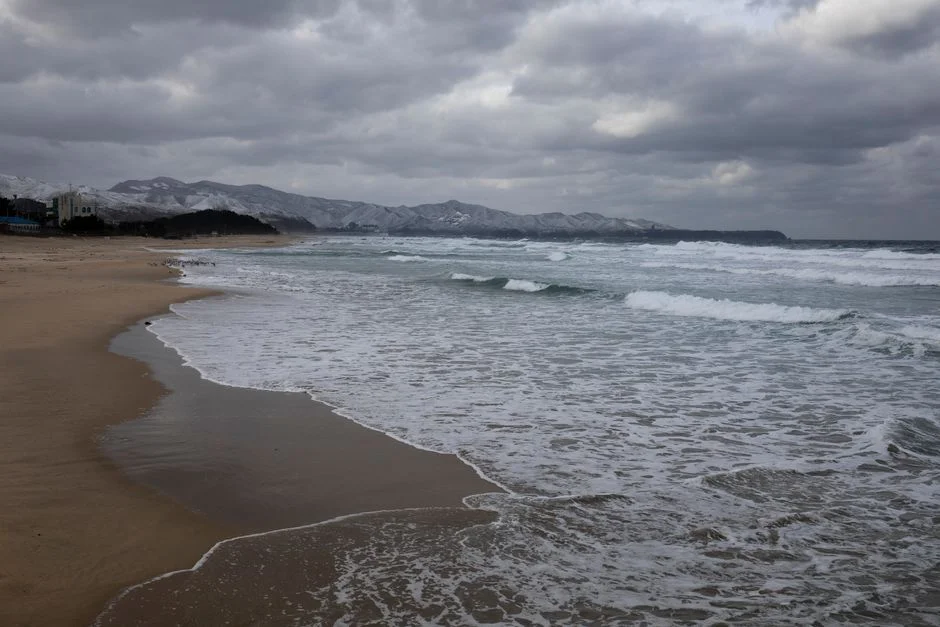
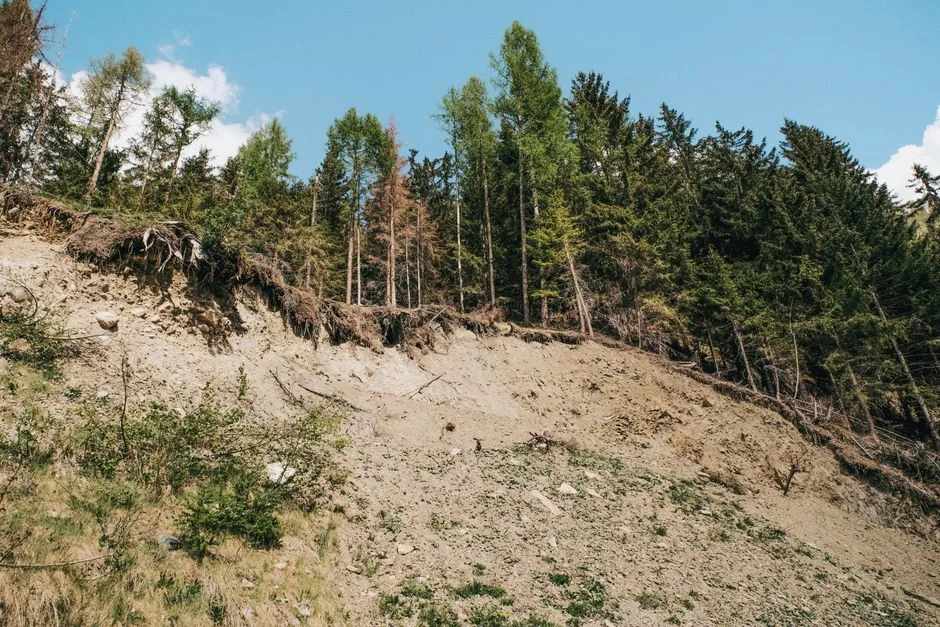
Severe thunderstorms rolled through the Pacific Northwest on Tuesday, prompting a thunderstorm warning from the National Weather Service. The adverse weather conditions have led to urgent concerns for local businesses and investors, particularly in Washington state, where the storms are expected to disrupt operations and supply chains.
Thunderstorm Warning Causes Immediate Disruptions
The National Weather Service issued a thunderstorm warning for parts of Washington, citing potential high winds and heavy rainfall. The storms are forecast to bring wind gusts of up to 60 mph, leading to scattered power outages and transportation issues. Local authorities advised residents to remain indoors following reports of property damage in cities like Seattle and Tacoma.
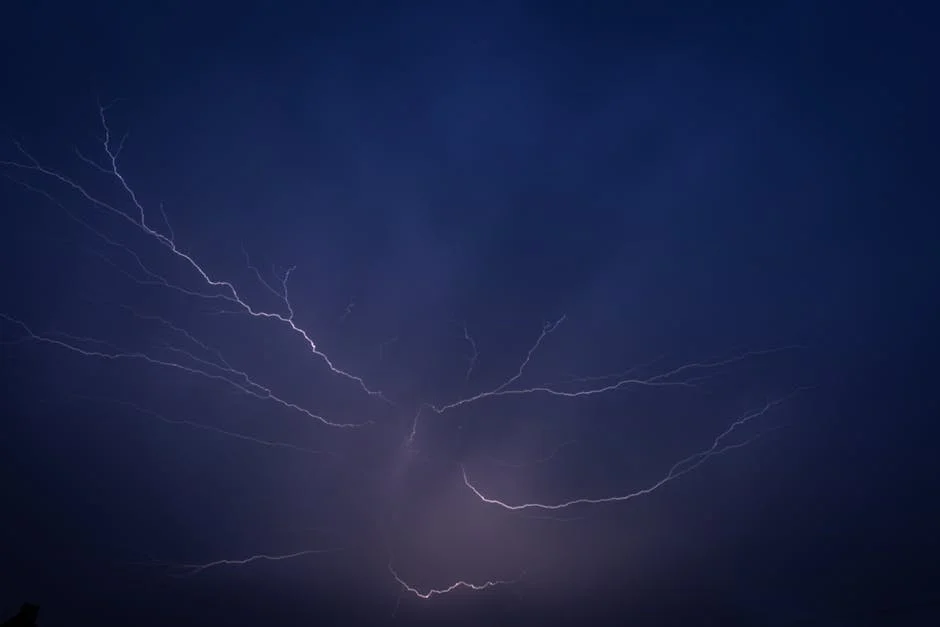
Business owners in the region are taking extra precautions. Restaurants and retailers have begun securing outdoor setups to protect against possible damage. The unpredictable nature of severe thunderstorms can lead to fluctuating customer traffic, especially for businesses dependent on outdoor activities.
Economic Implications for Local Markets


The thunderstorms pose a risk to the economic stability of the Pacific Northwest, with potential ramifications for various sectors. Agriculture, in particular, could see impacts, as heavy rain can affect crop yields. The Washington State Department of Agriculture has issued alerts for farmers to monitor fields and prepare for adverse weather conditions.
Additionally, supply chain disruptions are likely as key transport routes may face delays due to debris or flooding. The Port of Seattle, a critical hub for trade, reported that operations may be affected, which could ripple through businesses reliant on timely shipments.
Investment Concerns Arise Amid Weather Uncertainty
Investors are keeping a close eye on the storm’s aftermath, with stocks in sectors like construction and agriculture potentially facing volatility. Analysts are urging caution, suggesting that weather-related disruptions could lead to short-term losses for companies heavily tied to outdoor operations.
Market analysts believe that prolonged adverse weather could shift investor sentiment, leading to increased volatility in regional stocks. This is particularly relevant for companies directly exposed to weather risks, such as construction firms planning new projects in affected areas.
Local Reaction to the Thunderstorm Warning
Residents in affected areas reacted with a mix of concern and preparedness. Many took to social media to share images of storm preparations, while local emergency services ramped up readiness in anticipation of potential floods and outages. The City of Seattle's Emergency Management Department has advised citizens to keep emergency kits ready in case of power outages.
Local businesses are also leveraging social media to communicate with customers about potential closures or changes in operating hours due to the severe weather. This proactive approach may help mitigate losses by keeping customers informed.
Weather Patterns and Future Predictions
Long-term forecasts indicate that the Pacific Northwest may continue to experience erratic weather patterns, as climate change contributes to increasing occurrences of severe storms. According to the National Oceanic and Atmospheric Administration (NOAA), the region has seen a 20% increase in storm severity over the last decade.
Such shifts in climate not only impact immediate weather conditions but also have longer-term implications for economic planning in businesses, agriculture, and infrastructure development. Investors and business owners must adjust their risk models to account for these increasingly severe weather patterns.
What to Watch Next
As the Pacific Northwest navigates these severe thunderstorms, businesses and investors should pay close attention to weather updates and local government advisories. The immediate aftermath of the storms will reveal the extent of the damage and disruptions, providing crucial data for future risk assessments.
Looking ahead, stakeholders should monitor recovery efforts and the potential for new policies aimed at weather resilience in the wake of increased storm frequency. The situation remains fluid, and understanding the evolving landscape will be vital for businesses and investors in the region.
See Also
- Loh Kean Yew Secures Spot in Singapore Badminton Open 2026 Semis – What’s Next for SG?
- Alex Lanier Shocks Loh Kean Yew — Singapore Open Title Slips Away
Analysts are urging caution, suggesting that weather-related disruptions could lead to short-term losses for companies heavily tied to outdoor operations.Market analysts believe that prolonged adverse weather could shift investor sentiment, leading to increased volatility in regional stocks. This is particularly relevant for companies directly exposed to weather risks, such as construction firms planning new projects in affected areas.Local Reaction to the Thunderstorm WarningResidents in affected areas reacted with a mix of concern and preparedness.