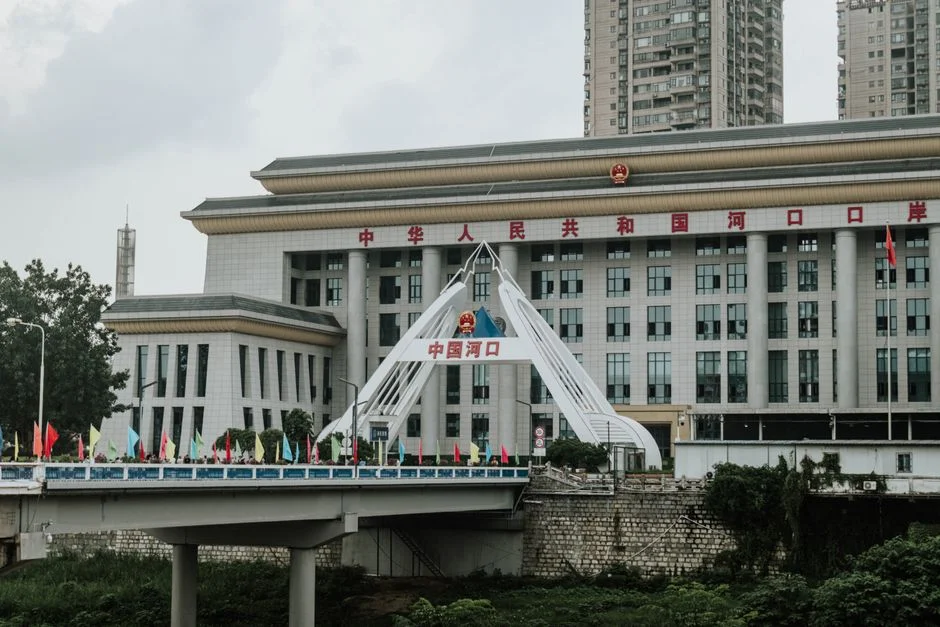
Vietnam’s Minister of Public Security, To Lam, has issued a grave warning to Asian nations about the escalating risks associated with superpower conflicts. Speaking at a security conference in Hanoi earlier this week, Lam underscored the potential for significant economic ramifications across the region, particularly as geopolitical tensions continue to rise between the United States and China.
Heightened Tensions Between Superpowers
To Lam expressed concern that the ongoing rivalry between the two superpowers could lead to economic instability not just in their respective nations, but across Asia. He highlighted recent military exercises in the South China Sea, where the U.S. and its allies have increased their presence, spurring retaliatory actions from China. These developments raise the stakes for countries dependent on trade and investment from both powers.
According to Lam, the direct impact of such conflicts could lead to a decline in investment opportunities and an increase in regional uncertainty. Vietnam, which saw a 6.5% GDP growth in 2022, could be adversely affected as investors reassess their risk exposure in the face of heightened tensions.
Possible Market Reactions and Economic Consequences


Investors in Asia are already reacting to Lam's comments, with several stock markets showing volatility. The Ho Chi Minh Stock Exchange, for instance, experienced a drop of 1.8% on the news, reflecting fears that ongoing unrest could disrupt trade routes critical for Asian economies. Vietnam’s strong export sector, which contributed to its rapid growth, is at risk if conflicts escalate.
Lam’s warning coincides with a broader trend of businesses adopting a more cautious approach to investments in the region. Companies are likely to reassess their supply chains and consider diversifying their operations away from zones perceived as being at risk of conflict. For countries like Singapore, which serves as a regional financial hub, this could dampen growth prospects as its economy heavily relies on stability in the region.
Implications for Businesses in Singapore
With Singapore's economy expected to grow by just 2.5% in 2023, businesses may need to factor in potential disruptions from superpower conflicts. The Ministry of Trade and Industry has cautioned that geopolitical tensions could limit trade opportunities, especially with China, which accounted for 14% of Singapore’s total trade in 2022.
To mitigate risks, Singaporean firms might accelerate efforts to strengthen ties with other Southeast Asian markets or further forge partnerships with Western companies. These strategies could help protect against potential fallout from any conflict-driven disruptions in trade.
Regional Cooperation as a Buffer
Lam underscored the importance of regional cooperation in mitigating the effects of superpower conflicts. He called for ASEAN countries to unite and engage in dialogues aimed at maintaining peace and stability. Such cooperation could present opportunities for enhanced economic collaboration among member nations.
While Vietnam seeks to bolster its own economic ties within ASEAN, other nations may also look to follow suit, reinforcing the bloc’s collective strength against external pressures. This may create a new environment for investment and trade, albeit fraught with challenges.
Future Considerations for Southeast Asia
Looking ahead, businesses and investors should closely monitor developments in U.S.-China relations and the implications for regional security. The forthcoming ASEAN Summit in November may provide critical insights on how member nations plan to navigate these growing tensions.
As Southeast Asia grapples with these challenges, stakeholders must prepare for potential shifts in the political landscape. The focus will likely be on enhancing economic resilience and safeguarding interests, especially amid an increasingly uncertain global environment.
See Also
- China Earthquake Triggers Market Jitters as Thousands Evacuated in Guangxi
- Himanta Biswa Sarma Wins Assam — Markets Eye Policy Continuity