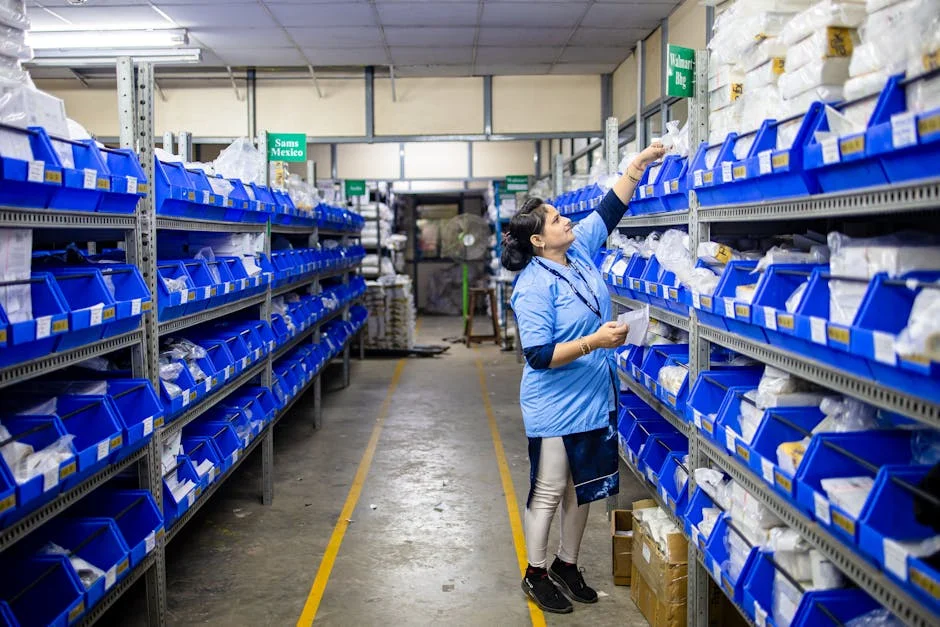
Extreme weather patterns are reshaping economic realities across continents this week. Furnace Creek in California reached scorching highs while Siberia buried its cities under fresh snow. These simultaneous extremes disrupt supply chains and energy markets globally.
Temperature Extremes Disrupt Regional Economies
The contrast between the two regions highlights the volatility of the global climate. In Death Valley, temperatures soared well above average levels. This heat stress impacts local agriculture and tourism revenue streams. Farmers in the region face higher irrigation costs due to rapid evaporation rates.
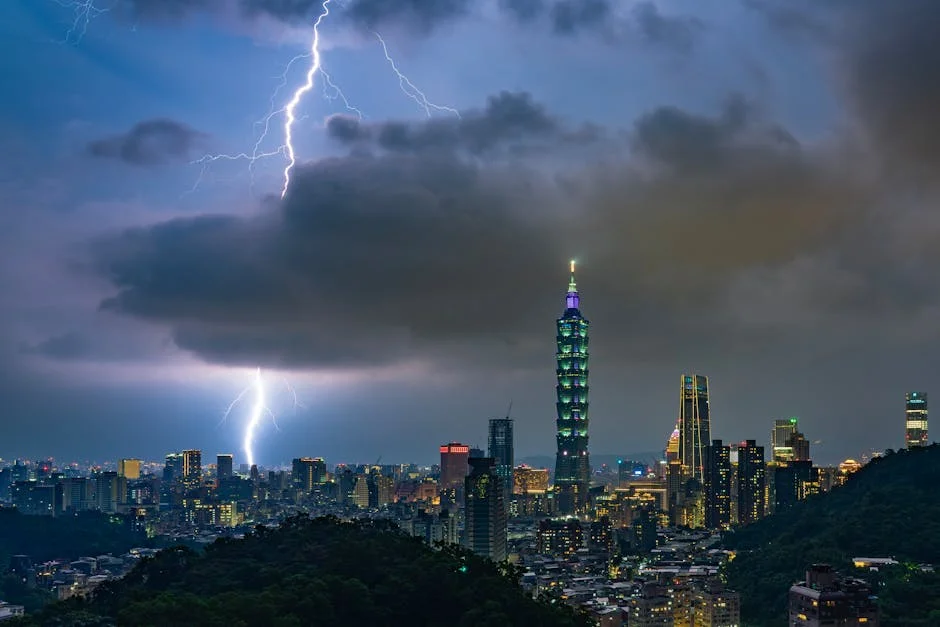
Siberia presents a different set of economic challenges. Heavy snowfall halts transportation routes across Russia. Logistics companies struggle to move goods through the frozen landscape. The cost of freight increases as trucks and trains fight against the elements. This directly affects the price of imported goods in Asian markets.
Investors are closely watching these weather patterns for market signals. Energy stocks often react to temperature shifts. Heating demand surges in cold regions while cooling needs spike in hot zones. This dual pressure tests the resilience of energy grids worldwide.
Supply Chain Vulnerabilities Exposed


Global supply chains are increasingly sensitive to weather disruptions. A week of extremes can ripple through multiple industries. Manufacturers in North America face delays in raw material deliveries. These delays lead to higher inventory holding costs for businesses.
Impact on Agricultural Markets
Agriculture is perhaps the most vulnerable sector to weather changes. Crop yields in California may decline due to prolonged heat. This could lead to higher prices for fruits and nuts globally. Meanwhile, Siberian grain production might face logistical bottlenecks.
Food prices are likely to reflect these supply shocks. Consumers in Singapore and other import-dependent nations may see changes. Importers must adjust their purchasing strategies to account for variability. This requires agile supply chain management and diversified sourcing.
Businesses need to build resilience against such climate risks. Diversifying suppliers across different climatic zones can help mitigate impact. Investing in cold storage and cooling infrastructure becomes essential. These strategies protect profit margins during volatile weather periods.
Energy Market Reactions to Climate Shifts
The energy sector faces immediate pressure from these weather events. Natural gas prices may fluctuate due to varying demand patterns. Heating oil consumption rises in Siberia while electricity usage peaks in California. This creates a complex trading environment for energy investors.
Renewable energy sources also experience weather-dependent performance. Solar power generation in California reaches its peak efficiency. However, heat can sometimes reduce the output of solar panels. Wind energy in Siberia might benefit from stronger winter winds.
Investors should monitor energy stocks for volatility. Companies with diversified energy portfolios may perform better. Utilities that can balance supply and demand efficiently will gain market share. This trend favors companies with strong infrastructure investments.
The transition to green energy is accelerated by such extremes. Governments may introduce new subsidies for renewable projects. This policy support can drive investment in solar and wind farms. Long-term investors should consider these policy shifts when allocating capital.
Investment Strategies for Volatile Climates
Climate change is becoming a key factor in investment decisions. Investors are increasingly using environmental, social, and governance criteria. Weather-related risks are now part of due diligence processes. Companies with strong climate adaptation strategies are more attractive.
Real estate markets are also affected by weather extremes. Properties in flood-prone or heat-stressed areas may see value changes. Insurance premiums rise in high-risk zones, affecting property costs. Investors need to assess location-specific climate risks carefully.
Technology companies play a crucial role in climate adaptation. Innovations in weather forecasting and energy efficiency are in high demand. Investing in tech firms focused on climate solutions offers growth potential. These companies provide tools for businesses to manage weather risks.
Financial markets are starting to price in climate risks. This leads to greater volatility in certain sectors. Investors should maintain diversified portfolios to manage this uncertainty. Hedging strategies using weather derivatives can also be effective.
Regional Economic Impacts in Asia
The economic effects of North American weather extend to Asia. Singapore serves as a key trading hub for global goods. Disruptions in North America can affect shipping schedules and freight costs. This impacts the flow of goods through Port of Singapore.
Asian manufacturers rely on raw materials from North America. Delays in supply can lead to production slowdowns. Electronics and automotive sectors are particularly sensitive to these disruptions. Companies need to maintain buffer stocks to mitigate risks.
Exchange rates may also react to these economic shifts. The US dollar strength can be influenced by energy prices. A stronger dollar affects the purchasing power of Asian currencies. This impacts import costs for nations like Singapore.
Regional economic integration helps absorb these shocks. Trade agreements facilitate smoother flow of goods during disruptions. ASEAN countries benefit from diversified trade partners. This reduces dependence on any single market or route.
Business Adaptation Strategies
Businesses must adapt to the new normal of extreme weather. Flexibility in operations is crucial for maintaining competitiveness. Companies should invest in technology for better weather forecasting. This allows for proactive adjustments in production and logistics.
Supply chain diversification is another key strategy. Relying on a single region for raw materials increases risk. Businesses should explore suppliers in different climatic zones. This reduces the impact of localized weather events on overall supply.
Employee productivity can also be affected by weather extremes. Heat stress reduces efficiency in outdoor and office environments. Companies should invest in workplace comfort measures. This includes better ventilation, cooling systems, and flexible working hours.
Insurance coverage needs to be reviewed regularly. Traditional policies may not fully cover climate-related risks. Businesses should consider parametric insurance products. These pay out based on specific weather triggers, providing quicker financial relief.
Long-Term Economic Outlook
The frequency of extreme weather events is expected to increase. This trend will have lasting impacts on global economies. Investment in climate resilience will become a major economic driver. Governments and businesses must collaborate to address these challenges.
Economic models need to incorporate climate variables more effectively. This helps in predicting market trends and risks. Financial institutions are developing new tools for climate risk assessment. These tools aid in making informed investment decisions.
Consumer behavior is also shifting due to climate awareness. Demand for sustainable products is rising. Businesses that embrace sustainability can gain a competitive edge. This includes using eco-friendly materials and reducing carbon footprints.
Policy makers are introducing new regulations to address climate change. Carbon pricing and subsidies are common tools. These policies influence business costs and investment returns. Companies should stay informed about regulatory changes in key markets.
The global economy is at a crossroads regarding climate action. Early adopters of climate strategies will likely outperform peers. This includes companies that reduce emissions and adapt to weather changes. Investors should look for leaders in this transition.
Monitoring weather patterns remains essential for economic planning. Real-time data helps businesses make agile decisions. Technology plays a vital role in capturing and analyzing this data. Investing in data analytics capabilities provides a strategic advantage.
The interplay between climate and economy is complex. Understanding this relationship is key for stakeholders. Businesses, investors, and governments must work together. Collaborative efforts can mitigate risks and unlock new opportunities.
Weather extremes are not just environmental issues. They are significant economic events that require strategic responses. By adapting to these changes, economies can build resilience. This ensures sustainable growth in the face of climate volatility.
Investors should keep a close eye on upcoming climate reports. These reports often contain valuable insights for market positioning. Regulatory announcements can also trigger market movements. Staying informed is crucial for navigating this evolving landscape.
The next few months will be critical for assessing impact. Seasonal changes will bring new weather challenges. Businesses need to prepare for these fluctuations. Proactive planning will help mitigate potential economic disruptions.
Global cooperation is essential for managing climate risks. International agreements can facilitate coordinated action. This includes sharing technology and financial resources. Such collaboration strengthens the global economic system against climate shocks.
As the week of extremes concludes, the economic lessons remain. Weather is a powerful force that shapes markets. Understanding its impact allows for better decision-making. This knowledge is invaluable for navigating the future economy.
Watch for upcoming central bank announcements regarding inflation. Weather-driven price changes may influence monetary policy decisions. These decisions will have wide-ranging effects on global investment flows. Investors should prepare for potential shifts in interest rates.
See Also
- ZA Sparks Transfer Fever as FC Midtjylland Eyes Top European Clubs
- Revamped Malay Heritage Centre Opens — Sparks Economic Conversations in Singapore
Regional Economic Impacts in Asia The economic effects of North American weather extend to Asia. Companies should stay informed about regulatory changes in key markets.
What is the latest news about extreme weather hits north america markets?
Why does this matter for culture-arts?
What are the key facts about extreme weather hits north america markets?