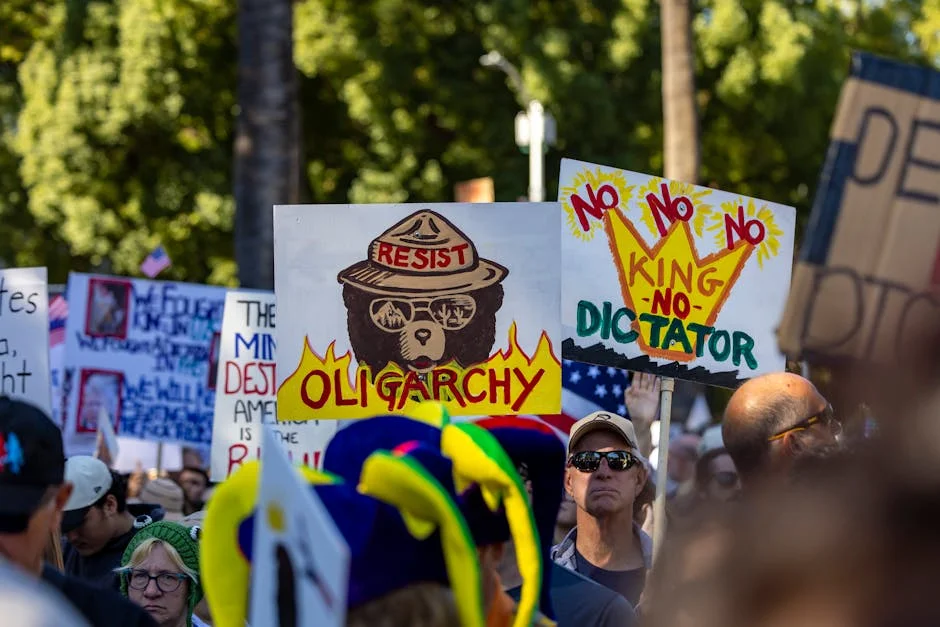
Donald Trump prepares to test the fragile truce with China during a high-stakes diplomatic visit that could reshape global supply chains. This encounter is not merely symbolic; it represents a critical juncture for international trade policy and investor confidence. Singaporean businesses and investors are watching closely as the outcome could trigger immediate shifts in regional economic dynamics.
Market Volatility and Investor Sentiment
Global equity markets have reacted with cautious optimism to the announcement of the visit. The MSCI Asia-Pacific index saw a modest uptick as traders priced in the potential for reduced tariff uncertainties. However, this rally remains tentative, hinging entirely on the concrete agreements reached in Washington or Beijing. Volatility indices suggest that investors are still bracing for potential setbacks.
Wall Street analysts warn that the truce may be superficial if underlying structural issues remain unresolved. The S&P 500, heavily influenced by tech giants with deep Chinese exposure, could see significant swings based on daily press briefings. Companies like Apple and Tesla, which rely on the Chinese market for substantial revenue, are key barometers for this diplomatic test. Any hint of renewed protectionism could quickly erase recent gains.
For the Singapore Exchange (SGX), the implications are equally profound. The Straits Times Index is sensitive to global risk appetite, and a stable US-China relationship generally boosts regional sentiment. Conversely, renewed tensions often drive capital into safe-haven assets, potentially affecting the Singapore dollar's strength. Market participants are closely monitoring the 10-year US Treasury yield as a signal of broader economic expectations.
Impact on Singaporean Businesses


How Trump affects SG is a central concern for local corporate strategists. Singapore serves as a critical hub for multinational corporations navigating the US-China divide. Many firms use the city-state as a neutral ground for regional headquarters, benefiting from its robust legal framework and strategic location. A sustained truce could accelerate investment flows into Singapore as companies seek stability.
Manufacturing sectors, particularly electronics and pharmaceuticals, stand to gain from reduced trade friction. The Ministry of Trade and Industry in Singapore has noted that supply chain diversification is accelerating. Companies are increasingly adopting a "China plus one" strategy, with Singapore emerging as a preferred alternative for high-value services and logistics. This trend supports job creation and GDP growth in the Lion City.
However, the benefits are not evenly distributed. Small and medium-sized enterprises (SMEs) may face higher costs if global shipping rates fluctuate due to policy uncertainty. The Singapore Business Federation has called for targeted grants to help SMEs adapt to potential shifts in trade routes. These measures aim to ensure that smaller players can capitalize on new opportunities without being crushed by logistical complexities.
Supply Chain Reconfiguration
The reconfiguration of global supply chains is a direct consequence of US-China trade dynamics. Multinational corporations are moving production facilities closer to end markets to mitigate tariff risks. This shift has led to increased foreign direct investment in Southeast Asia, with Singapore benefiting from its port efficiency and digital infrastructure. The Port of Singapore has seen a surge in container traffic, reflecting this broader regional realignment.
Logistics companies are also adjusting their strategies to accommodate these changes. Air freight rates have remained elevated due to increased demand for time-sensitive deliveries. Sea freight, while more volatile, is seeing steady growth as companies seek cost-effective solutions. The integration of digital platforms in logistics is enhancing visibility and efficiency, allowing businesses to respond quickly to market shifts.
Investment Flows and Capital Allocation
Investment flows are highly sensitive to geopolitical stability. A positive outcome from Trump’s visit could unlock billions in deferred capital expenditure. Institutional investors are likely to increase their allocations to Asian equities if the trade war appears to be entering a cooling phase. This influx of capital would support asset prices and lower borrowing costs for corporations in the region.
Real estate markets in Singapore may also benefit from improved investor confidence. Foreign buyers often view Singapore as a safe haven during times of global uncertainty. If the US-China truce holds, we may see a resurgence in demand for commercial and residential properties. This trend could help stabilize the property market, which has experienced periods of volatility in recent years.
However, investors must remain cautious. Historical data shows that trade agreements can be fragile and subject to sudden reversals. The last few years have demonstrated that political rhetoric can quickly translate into economic policy. Therefore, diversification remains a key strategy for protecting portfolios against geopolitical risks. Investors are advised to monitor policy announcements closely and adjust their positions accordingly.
Economic Data and Trade Metrics
Trade data will provide early signals of the truce’s effectiveness. The volume of US imports from China is a key metric to watch. A decline in import volumes would suggest that tariffs are still having a dampening effect on trade. Conversely, an increase would indicate that businesses are confident in the stability of the trade relationship. The US Census Bureau releases monthly data that offers valuable insights into these trends.
Inflation data in the United States is another critical indicator. Tariffs are often passed on to consumers, leading to higher prices. If the truce leads to a reduction in tariffs, it could help cool inflation in the US. This, in turn, could influence the Federal Reserve’s monetary policy decisions, affecting global interest rates. Lower interest rates generally boost equity markets and support economic growth.
For Singapore, trade statistics will reflect the broader regional impact. The country’s exports to both the US and China are significant components of its GDP. Any disruption in these trade flows could have immediate effects on Singapore’s economic performance. The Singapore Department of Statistics provides detailed monthly reports that help analysts track these changes. These reports are essential for understanding the nuances of the trade dynamics.
Strategic Implications for the Region
The US-China relationship is the defining geopolitical feature of the current economic landscape. How China affects SG is deeply intertwined with this bilateral dynamic. Singapore’s foreign policy has long been characterized by pragmatism and balance. The country seeks to maintain strong ties with both Washington and Beijing to maximize its economic benefits. This balancing act becomes more complex when trade tensions rise.
Regional neighbors are also adjusting their strategies. Vietnam and Malaysia have emerged as beneficiaries of the trade war, attracting manufacturing investments that were previously based in China. Singapore competes with these countries for foreign direct investment by offering a stable political environment and a skilled workforce. The competition is healthy and drives innovation and efficiency across the region.
The Association of Southeast Asian Nations (ASEAN) plays a crucial role in mediating these dynamics. The region is increasingly important as a manufacturing hub and a consumer market. ASEAN countries are leveraging their collective strength to negotiate better trade deals with both the US and China. This regional integration enhances the bargaining power of individual member states and promotes economic resilience.
Future Outlook and Key Dates
The coming weeks will be critical in determining the longevity of the US-China truce. Investors should watch for official statements from the US Trade Representative and China’s Ministry of Commerce. These announcements will provide clarity on the scope of the agreements reached. Any deviation from the agreed terms could quickly reignite market volatility.
Key economic indicators to monitor include the US Consumer Price Index and China’s Manufacturing Purchasing Managers’ Index. These metrics will offer insights into the real-time impact of trade policies on inflation and production. The Federal Reserve’s upcoming meeting will also be a focal point, as policymakers will assess the trade situation when deciding on interest rates.
Singaporean businesses should prepare for multiple scenarios. While a stable trade environment is desirable, flexibility is essential for navigating potential disruptions. Companies should review their supply chains, hedge against currency risks, and diversify their customer bases. By staying agile and informed, businesses can turn geopolitical uncertainty into strategic advantage. The next major trade announcement is expected within the next month, setting the stage for further market reactions.
See Also
- India's Finance Ministry Confirms Economic Slowdown — What Investors Should Watch Now
- South Africa Unlocks China’s Rooibos Market — Prices Surge
A decline in import volumes would suggest that tariffs are still having a dampening effect on trade. For Singapore, trade statistics will reflect the broader regional impact.