Jahangir Khan, the Trinamool Congress candidate for the Falta constituency, has officially withdrawn from the upcoming repolling, creating immediate uncertainty in West Bengal’s political landscape. This strategic retreat by a key TMC figure sends ripples through local business communities and signals a shifting balance of power ahead of the crucial vote. Investors and market analysts are now recalibrating their risk assessments for the region, closely monitoring how this political maneuver affects economic stability.
Political Strategy Meets Economic Uncertainty
The withdrawal of Khan is not merely a political tactic; it is an economic signal. In West Bengal, political stability is a primary driver for foreign direct investment and local business confidence. When a major party like the Trinamool Congress alters its candidate lineup so close to a repolling, it introduces a variable that markets dislike: unpredictability. The Falta constituency, located in the Howrah district, is a commercial hub with significant manufacturing and trading activities. Any disruption in its governance can have tangible effects on supply chains and local commerce.

Business leaders in Kolkata are watching this development with heightened caution. The Bharatiya Janata Party, currently challenging TMC’s dominance, sees this as an opportunity to consolidate support. However, from an investment perspective, the primary concern is the continuity of policy. Will the new candidate maintain the same pro-business stance, or will there be a shift in regulatory focus? This question weighs heavily on the minds of entrepreneurs and investors who rely on predictable political environments to make long-term capital commitments.
Market Reactions and Investor Sentiment

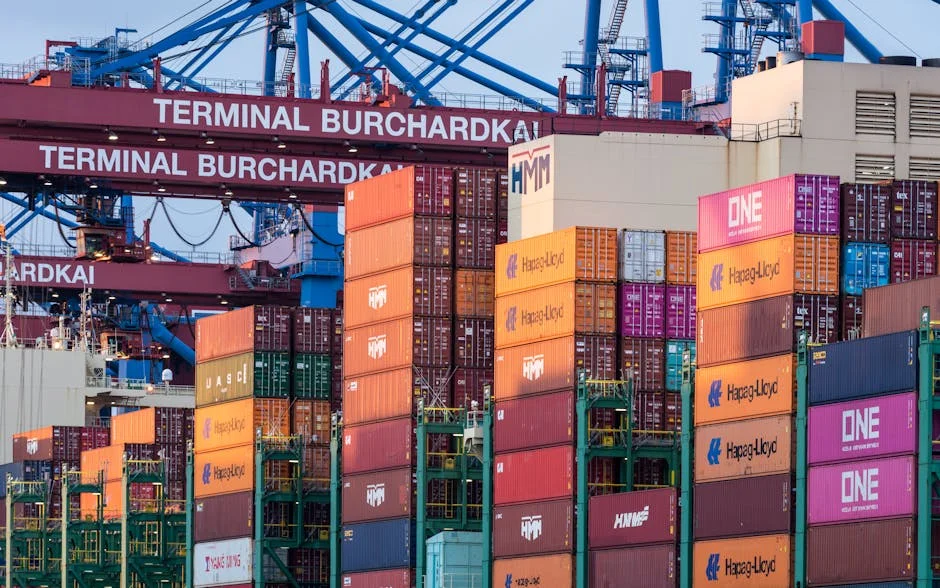
Financial markets in India, particularly those sensitive to regional political outcomes, have reacted with cautious optimism. The Sensex and Nifty indices have shown minor fluctuations, reflecting the broader sentiment that political changes in West Bengal could influence consumer spending and industrial output. Analysts note that the Falta repolling is a microcosm of the larger political battle in the state. A decisive win for either party could stabilize the region, encouraging more investment in infrastructure and real estate sectors.
For Singaporean investors and businesses with exposure to West Bengal, this development requires a closer look at their portfolio risks. The state is a key gateway to the eastern Indian market, with growing importance in the automotive, pharmaceutical, and IT sectors. Political instability can lead to delays in project approvals, changes in tax policies, and fluctuations in labor costs. Investors must therefore monitor the Falta repolling results as an early indicator of the broader political climate in West Bengal.
Impact on Local Businesses
Local businesses in the Falta area are already feeling the pressure. Small and medium enterprises (SMEs) are holding back on expansion plans until the political dust settles. The uncertainty surrounding the leadership in the constituency has led to a temporary slowdown in commercial activities. Shop owners and factory managers are adopting a wait-and-see approach, which could have a cascading effect on local employment and income levels. This hesitation is a common response to political volatility, where businesses prefer to preserve capital until the direction of governance becomes clearer.
However, some sectors may benefit from the political shift. If the Bharatiya Janata Party gains ground, there could be an influx of central government funds and projects, as seen in other states under BJP rule. This could boost infrastructure development and create new opportunities for construction and logistics companies. Investors who are agile and well-informed may find this transition period a strategic window to enter the market at favorable terms.
The Role of the Bharatiya Janata Party
The Bharatiya Janata Party has been actively leveraging this political opening. With the withdrawal of Khan, the BJP is expected to intensify its campaign efforts in Falta, aiming to capitalize on any voter dissatisfaction with the TMC. The party’s focus on economic development and infrastructure has resonated with many voters, particularly those in commercial and industrial zones. The BJP’s ability to secure a win in Falta could serve as a bellwether for the party’s broader strategy in West Bengal, signaling a potential shift in the state’s political and economic trajectory.
From an investment perspective, the BJP’s emphasis on ease of doing business and digital infrastructure is appealing to foreign investors. If the party strengthens its hold in West Bengal, it could lead to policy reforms that streamline bureaucratic processes and attract more capital. This is particularly relevant for Singaporean companies looking to expand their footprint in India, as a stable and business-friendly environment in West Bengal would reduce operational risks and enhance profitability.
Economic Implications for Singapore
The political dynamics in West Bengal have direct implications for Singaporean businesses and investors. West Bengal is emerging as a key investment destination, with several Singaporean firms already establishing operations in the state. The automotive sector, for instance, has seen significant interest from Singaporean investors, attracted by the state’s strategic location and growing consumer base. Any political instability that disrupts this momentum could affect the return on investment for these companies.
Singaporean investors must therefore stay informed about the latest developments in West Bengal politics. The withdrawal of Jahangir Khan is just one of many factors that could influence the political landscape. By monitoring these changes, investors can make more informed decisions about where and when to deploy their capital. The key is to balance short-term political volatility with long-term economic potential, ensuring that investments are aligned with the evolving political and economic realities of the region.
Looking Ahead: What to Watch
The Falta repolling is scheduled to take place in the coming weeks, with results expected to provide clear signals about the political direction of the constituency. Investors and businesses should closely monitor the voter turnout and the performance of the new candidates. A decisive victory for either the TMC or the BJP could stabilize the region, encouraging more investment and economic activity. Conversely, a close contest could prolong uncertainty, leading to continued caution among market participants.
Additionally, stakeholders should keep an eye on policy announcements from both parties. Any new initiatives related to infrastructure, taxation, or labor laws could have immediate effects on local businesses and investors. The outcome of the Falta repolling will not only shape the political future of West Bengal but also influence the economic prospects for companies operating in the region. As the vote approaches, the focus will remain on how political changes translate into economic outcomes, making this a critical period for investors and business leaders alike.
See Also
- Birmingham Reaches Deal to End Bin Strike — Businesses Brace for Impact
- Uzodimma Says Tinubu Laying Foundation for Prosperous Economy
West Bengal is emerging as a key investment destination, with several Singaporean firms already establishing operations in the state. The automotive sector, for instance, has seen significant interest from Singaporean investors, attracted by the state’s strategic location and growing consumer base.
What is the latest news about tmcs khan withdraws in falta market signals weaken?
Why does this matter for politics-governance?
What are the key facts about tmcs khan withdraws in falta market signals weaken?