Singapore’s urban green spaces are experiencing an economic shift driven by the arrival of hundreds of Asian migratory birds. These feathered visitors are transforming local parks into high-value assets for businesses and investors alike. The surge in avian activity is creating tangible revenue opportunities across the tourism and real estate sectors.
Avian Arrivals Drive Tourism Revenue
The presence of hundreds of migratory species has directly boosted visitor numbers to Singapore’s nature reserves. The National Parks Board (NParks) reports a steady increase in daily footfall at key locations like Sungei Buloh Wetland Reserve. This influx translates into higher spending on entry fees, guided tours, and local hospitality services.
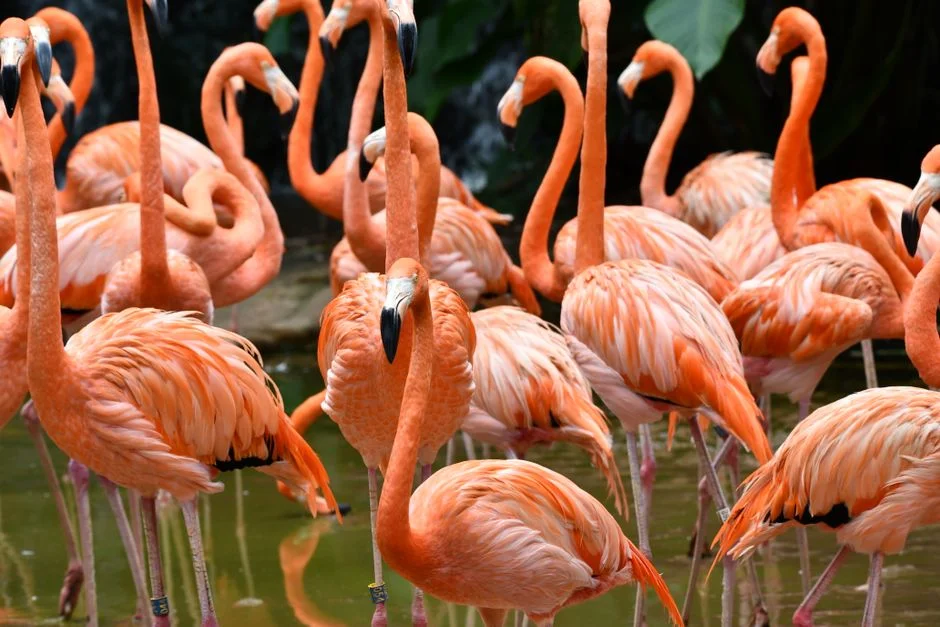
Tour operators have quickly adapted to capitalize on this trend. Companies offering specialized bird-watching packages are seeing double-digit growth in bookings during peak migration seasons. This niche market is proving to be a resilient revenue stream even when broader tourism figures fluctuate. Investors are taking note of the predictable nature of these seasonal spikes.
The economic ripple effect extends to local cafes and retail outlets near park entrances. Small businesses in Jurong and Tampines report increased sales on weekends when bird enthusiasts flock to the area. This localized spending power helps sustain employment in the service sector. It demonstrates how biodiversity can directly support micro-enterprises.
Real Estate Values Rise Near Green Corridors

Property values in neighborhoods adjacent to major bird-watching spots are showing upward momentum. Developers are increasingly marketing "nature-access" as a premium feature for residential and commercial spaces. Buyers are willing to pay a premium for homes with direct views of parks that host these Asian migrants. This trend is reshaping development plans in several districts.
< h3>Commercial Leasing and Office Demand
Corporate tenants are also seeking locations with strong green credentials. Office buildings near parks with high avian activity are commanding higher rental yields. Companies use these locations to attract talent who value work-life balance and natural surroundings. This preference is forcing landlords to invest in landscaping and connectivity to nearby green spaces.
Real estate analysts point out that this is not just a temporary fad. The integration of nature into urban living is a long-term trend in Singapore. Investors who secure assets in these "green corridors" are likely to see sustained capital appreciation. The data suggests a clear correlation between biodiversity richness and property desirability.
Business Opportunities in Eco-Tourism
New business models are emerging to serve the growing number of bird watchers. Specialized gear rentals, photography workshops, and mobile app services are gaining traction. Entrepreneurs are finding that niche offerings can capture significant market share in this growing sector. The barrier to entry is relatively low, encouraging innovation.
Technology companies are also entering the space. Apps that identify bird species using AI are becoming essential tools for visitors. These digital solutions enhance the user experience and keep visitors engaged for longer periods. This increases the likelihood of repeat visits and higher per-capita spending. The tech-birding intersection is a hotbed for startup activity.
Marketing agencies are crafting campaigns that highlight Singapore’s status as a premier birding destination. These efforts are aimed at both local residents and international tourists. By branding the city-state as a haven for Asian migratory birds, businesses can attract a more affluent and eco-conscious demographic. This positioning helps differentiate Singapore from other regional competitors.
Investment Flows into Conservation Infrastructure
Investors are directing capital into infrastructure projects that support bird populations. This includes funding for wetland restoration, nesting platforms, and observation decks. The National Parks Board has launched several public-private partnerships to accelerate these developments. Such collaborations allow for faster implementation and shared financial risk.
The return on investment for these projects is multifaceted. While direct revenue comes from park fees, indirect benefits include improved air quality and temperature regulation. These environmental services have monetary value, particularly in a dense urban environment. Financial models are beginning to quantify these "ecosystem services" to attract more institutional capital.
Green bonds are being issued to fund specific conservation initiatives. These financial instruments appeal to investors looking for both financial returns and environmental impact. The success of these bonds indicates a growing appetite for nature-based investments in Singapore. This trend is likely to expand as more data becomes available on the economic benefits of biodiversity.
Challenges for Local Businesses
Despite the opportunities, some local businesses face challenges. Noise from large flocks can affect nearby residential properties and cafes. Some restaurant owners report that birds can deter customers from dining al fresco. Businesses need to invest in netting or strategic planting to mitigate these issues. This adds to the operational costs for establishments near parks.
There is also the issue of seasonal variability. Revenue can dip during off-peak months when bird numbers are lower. Businesses must develop strategies to smooth out these fluctuations. Diversifying offerings to include year-round attractions can help stabilize income streams. Flexibility is key to surviving the cyclical nature of bird-watching tourism.
Competition for space is another factor. As more visitors arrive, parking and seating become scarce. This can lead to frustration among customers and potential revenue loss. Effective crowd management and infrastructure upgrades are necessary to maintain a positive visitor experience. Businesses and planners must work together to address these logistical challenges.
Policy Implications for Urban Planning
City planners are integrating bird habitats into broader urban development strategies. The goal is to create a continuous green network that supports migratory routes. This approach requires coordination between multiple government agencies and private landowners. Policy incentives are being used to encourage developers to preserve and enhance green spaces.
Regulations are also evolving to protect critical nesting and feeding areas. Zoning laws may restrict certain types of construction near key parks. This can impact the development potential of nearby land parcels. Developers must factor in these regulatory constraints when evaluating investment opportunities. Understanding the policy landscape is crucial for success.
The government is also investing in education and awareness campaigns. These initiatives aim to engage the local community in conservation efforts. An engaged citizenry is more likely to support policies that benefit birds and, by extension, the local economy. This social capital is an intangible but valuable asset for long-term sustainability.
Future Outlook for the Sector
The economic benefits of Singapore’s bird populations are expected to grow. As awareness increases, more tourists and residents will visit parks. This will drive further investment in infrastructure and services. Businesses that proactively adapt to this trend are well-positioned for growth. The integration of nature and economy is a defining feature of Singapore’s urban future.
Investors should monitor developments in green finance and urban planning. New policy announcements and infrastructure projects will signal opportunities. Staying informed about migration patterns and species diversity can also provide insights. The sector offers diverse avenues for engagement, from direct tourism ventures to real estate investments. The time to act is now, as the foundation is being laid for long-term gains.
See Also
- Every Firm’s Digital Gamble Fails — And Investors Pay
- Modi Invites Dutch Firms to Invest in India — Trade Talks Spark Market Interest