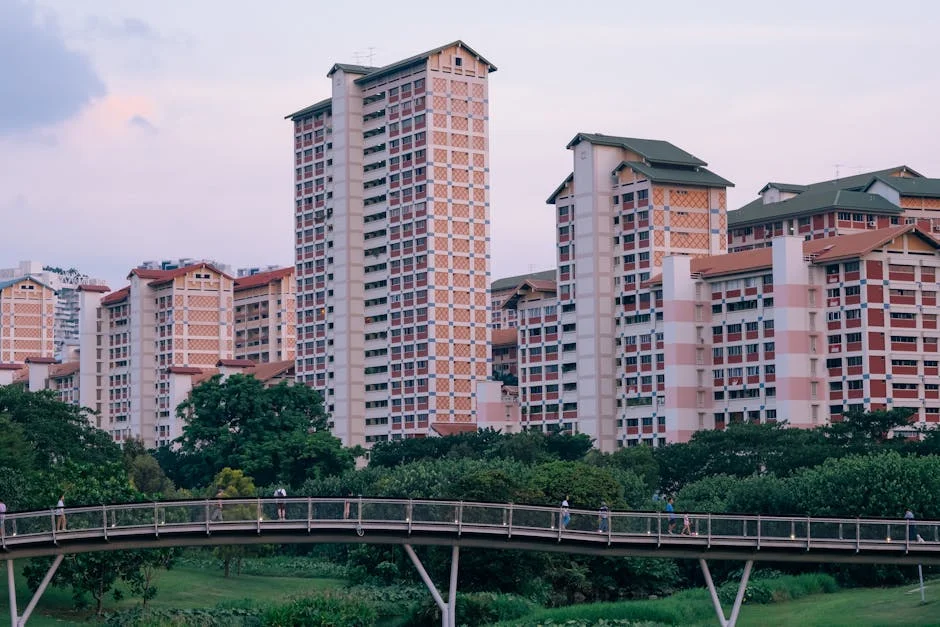
Man-made structures have emerged as the primary driver of bird fatalities in Singapore, with recent reports indicating a record high in avian deaths. This ecological shift is no longer just an environmental concern; it is rapidly becoming a tangible cost for the city-state's real estate and construction sectors. Businesses and investors are beginning to factor in the economic implications of glass facades and urban density.
The Economic Reality of Urban Avian Losses
The surge in bird deaths is directly linked to the proliferation of glass buildings in the central business district and residential hubs. Glass, often the most cost-effective material for modern architecture, reflects the sky and trees, confusing birds during migration and daily foraging. This collision course between nature and infrastructure is creating measurable economic friction for developers.
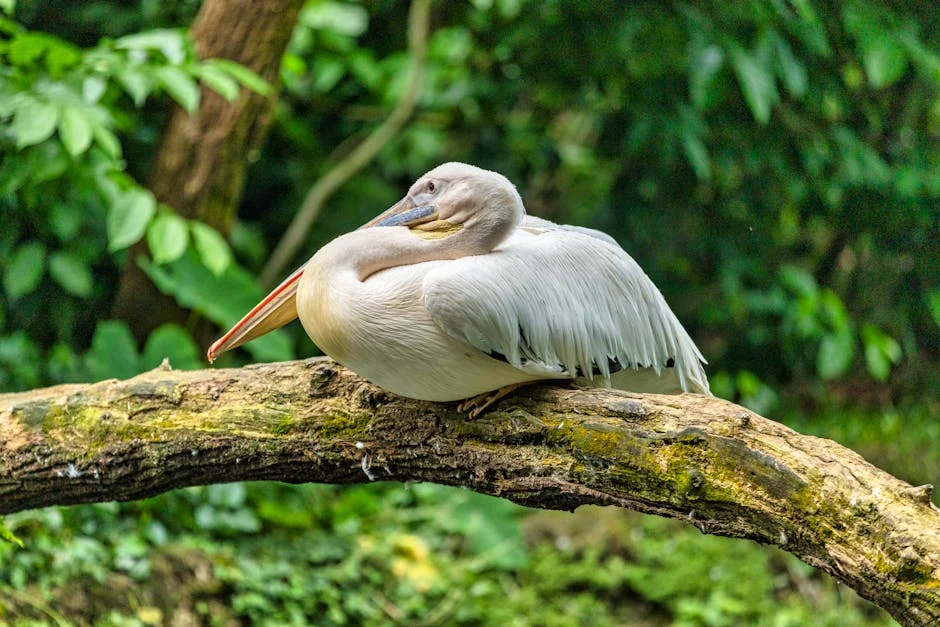
For investors, the implication is clear: the traditional cost-benefit analysis of glass usage is shifting. As public awareness grows, the "invisible" cost of bird strikes translates into potential branding risks and regulatory burdens. Companies that ignore these factors may face higher insurance premiums or delayed project approvals.
The data suggests that the problem is scaling with the skyline. With thousands of birds killed annually, the volume is high enough to impact local ecosystems that support tourism and leisure industries. This creates a ripple effect through the service sector, particularly in areas like the Singapore Botanic Gardens and coastal reserves.
Real Estate and Construction Sector Impacts


The construction industry in Singapore faces a pivotal moment as green building standards evolve. The Building and Construction Authority (BCA) has been pushing for more sustainable practices, but the bird fatality crisis adds a new layer of complexity. Developers must now consider bird-friendly glass, which often comes at a 10% to 15% premium compared to standard tempered glass.
This cost increase, while seemingly small per square meter, accumulates significantly across large-scale projects. A typical high-rise office tower in the Marina Bay area might see hundreds of thousands of dollars in additional material costs. For developers operating on thin margins, this is a critical variable in financial modeling.
Regulatory Pressures on Developers
Regulators are likely to introduce stricter guidelines to mitigate these impacts. The Urban Redevelopment Authority (URA) may soon mandate specific transparency levels for glass facades in certain zones. Such mandates would force a rapid adoption of bird-friendly technologies, accelerating the transition for the entire sector.
Investors should watch for policy announcements from the Ministry of Sustainability and the Environment (MSE). These bodies are key drivers of urban planning decisions that directly affect construction costs and timelines. Early movers in adopting bird-friendly designs may gain a competitive advantage in securing government grants and tax incentives.
Tourism and Leisure Industry Consequences
Singapore's tourism industry relies heavily on its "Garden City" brand. Bird watching is a niche but growing segment of eco-tourism, attracting enthusiasts from across Asia. A decline in bird populations in key areas like Pulau Ubin and the Sungei Buloh Wetland Reserve could dampen visitor numbers.
Hotels and resorts located near these natural habitats may see a decrease in premium pricing power if the local avian diversity diminishes. The economic value of a healthy bird population extends beyond direct ticket sales; it enhances the overall appeal of Singapore as a leisure destination. This intangible asset is crucial for the hospitality sector's long-term profitability.
Businesses in the tourism sector must collaborate with environmental groups to maintain these ecological assets. Failure to do so could result in a gradual erosion of Singapore's competitive edge against regional rivals like Bangkok and Kuala Lumpur, which are also investing heavily in their green credentials.
Investment Opportunities in Green Tech
The crisis presents clear investment opportunities in the green technology sector. Companies specializing in bird-friendly glass, LED lighting systems, and smart building sensors are poised for growth. Investors looking for exposure to Singapore's sustainability drive should consider these niche players.
Startups developing innovative solutions, such as nano-coatings that make glass visible to birds, are attracting venture capital attention. These technologies offer a scalable solution that can be applied to both new builds and retrofits. The market potential is significant, given the sheer volume of glass used in Singapore's urban landscape.
Corporate social responsibility (CSR) strategies are also evolving. Multinational corporations headquartered in Singapore are increasingly using their office spaces as showcases for sustainability. This trend drives demand for high-end, bird-friendly architectural features, creating a premium market segment for construction firms and material suppliers.
Insurance and Liability Shifts
The insurance industry is beginning to factor in bird-related risks. Property insurers may introduce new clauses that account for bird strikes, potentially affecting premium rates for buildings with high glass content. This shift could influence purchasing decisions for property owners and tenants alike.
Liability issues may also arise if bird fatalities are linked to specific building designs. While legal precedents are still forming, the potential for litigation adds another layer of cost for developers. Risk management strategies will need to incorporate ecological impact assessments to mitigate these emerging liabilities.
Financial institutions lending to the construction sector may also adjust their risk models. Banks could offer preferential rates for projects that exceed standard green building certifications, including specific measures for bird conservation. This financial incentive could accelerate the adoption of bird-friendly designs across the market.
Corporate Reputation and Brand Value
In an era where consumers and employees value sustainability, corporate reputation is closely tied to environmental stewardship. Companies that are perceived as "bird killers" due to their office buildings may face backlash from stakeholders. This reputational risk can translate into tangible financial costs, such as higher employee turnover or reduced customer loyalty.
Brands that proactively address this issue can enhance their market position. Publicizing the use of bird-friendly glass or supporting local conservation efforts can generate positive media coverage and strengthen brand equity. This strategic move aligns with the broader trend of integrating Environmental, Social, and Governance (ESG) factors into corporate strategy.
Investors are increasingly scrutinizing ESG metrics when making investment decisions. A strong performance in environmental stewardship, including bird conservation, can improve a company's access to capital and lower its cost of equity. This financial benefit underscores the importance of addressing the bird fatality crisis.
Future Outlook and Regulatory Timeline
The next 12 to 18 months will be critical for the construction and real estate sectors in Singapore. Stakeholders should monitor upcoming policy updates from the BCA and URA, which are expected to introduce more detailed guidelines on bird-friendly architecture. These regulations will likely set the standard for future developments.
Investors and businesses should prepare for a gradual increase in compliance costs. Early adoption of bird-friendly technologies will help mitigate these costs and position companies as leaders in the market. Watching the pilot projects in key districts like One-North and Jurong Lake District will provide valuable insights into the effectiveness of these measures.
The economic impact of this ecological issue will continue to grow as Singapore urbanizes further. Proactive management of bird fatalities is not just an environmental imperative but a strategic economic decision. Those who act now will be better positioned to thrive in a sustainability-driven market landscape.
See Also
- Anthropic Launches Mythos AI — Cybersecurity Reckoning Sparks Market Shift
- Storm Jangmi Cuts Power to 60,000 Japanese Homes — What Singaporeans Should Watch
Risk management strategies will need to incorporate ecological impact assessments to mitigate these emerging liabilities. The market potential is significant, given the sheer volume of glass used in Singapore's urban landscape.