On October 5, 2023, a group of young climate activists in Brazil staged a large protest in São Paulo, demanding immediate governmental action on climate change. Their rallying cry, "Ninguém nos pediu para existir, mas pedem-nos para resistir" (Nobody asked us to exist, but they ask us to resist), highlights the growing frustration among the youth towards the government’s inaction amid rising economic challenges.
Economic Context of the Protests
Brazil is currently grappling with a challenging economic landscape. As of September 2023, inflation reached 5.5%, pressuring household budgets and increasing the cost of living. The youth, who are particularly affected by these economic conditions, are urging the government to prioritise sustainable development policies that align with their vision for a greener future.
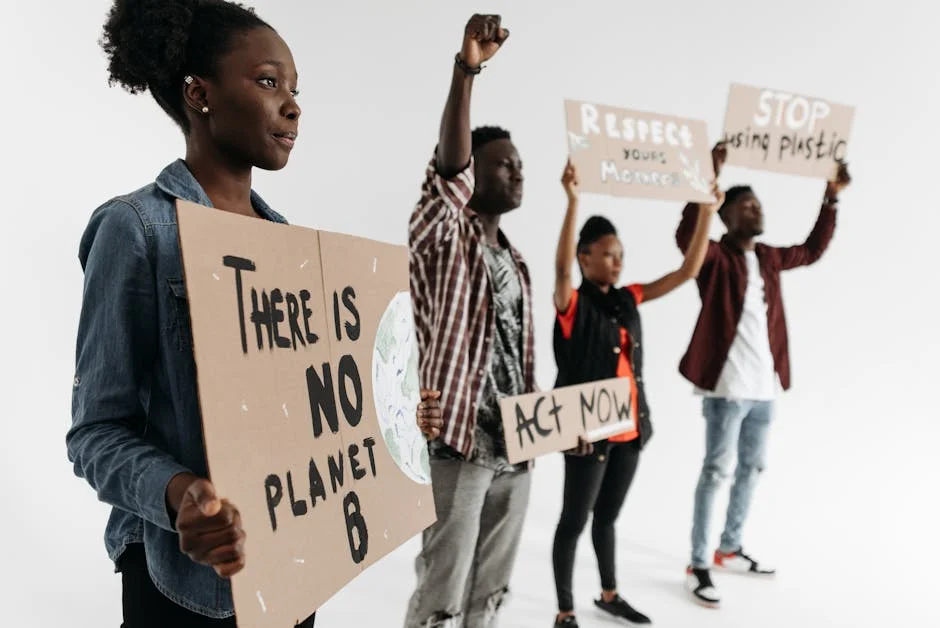
The Brazilian government, led by President Luiz Inácio Lula da Silva, has recently introduced a series of economic reforms aimed at stabilising the economy. However, many young activists argue that these reforms neglect environmental considerations. According to Ana Gomes, a prominent youth activist, "We cannot afford to ignore climate change while trying to fix the economy. Our future depends on it." This sentiment resonates with many young Brazilians, deepening their frustration with the current administration.
Market Reactions to Climate Activism
The protests have triggered a wave of uncertainty in Brazilian markets. Environmental, social, and governance (ESG) criteria are increasingly influencing investment decisions. Following the protests, shares in companies with poor environmental records dropped by approximately 3%, while those committed to sustainable practices saw a slight increase. Investors are becoming more cautious as they assess the potential long-term impacts of climate activism on business operations.
Additionally, the Brazilian real has shown volatility in response to these protests, reflecting investor concerns. Currency analysts indicate that if the government fails to address both economic and environmental issues, the real may weaken further, impacting import prices and overall economic stability.
Business Implications and Corporate Responses
In light of the ongoing protests, several corporations in Brazil are beginning to reconsider their environmental strategies. Companies like Petrobras and Vale have faced public scrutiny for their environmental impact. These firms are now under pressure to adopt more sustainable practices to retain consumer trust and investor confidence.
For instance, Petrobras recently announced a commitment to reduce greenhouse gas emissions by 30% by 2030, a move that aims to align with the growing demand for sustainability from both consumers and investors. Business leaders are recognising that failure to adapt to these societal demands could result in significant financial repercussions.
Investor Perspective and Future Considerations
As investors closely monitor the situation in Brazil, the intersection of climate action and economic recovery will be critical. The youth’s activism may serve as a catalyst for corporate change, pushing businesses to adopt more responsible practices. Investors are increasingly looking for companies that not only offer financial returns but also demonstrate a commitment to sustainability.
The Brazilian stock market could see shifts as funds are directed towards green investments. Analysts predict that firms prioritising sustainability may outperform their peers in the coming years, making it essential for investors to stay informed on corporate strategies and government policies.
What’s Next for Brazil?
The protests in São Paulo are not just a demonstration of youth frustration; they signify a pivotal moment for Brazil’s economic and environmental future. Upcoming government meetings and legislative sessions will be crucial in determining how effectively the government will respond to these demands. Investors and businesses should prepare for potential policy changes that could significantly impact market dynamics.
As the situation evolves, stakeholders must remain vigilant. Observing how the government balances economic reform with environmental responsibility will be key to understanding Brazil's path forward. The upcoming climate summit scheduled for November 2023 could further influence governmental priorities and investor sentiment.
See Also
- RBI Secret Gold Heist Exposes Hidden Reserve Risks
- Portugal Faces Hailstorm Warning — What This Means for Agriculture and Investors
Business leaders are recognising that failure to adapt to these societal demands could result in significant financial repercussions.Investor Perspective and Future ConsiderationsAs investors closely monitor the situation in Brazil, the intersection of climate action and economic recovery will be critical. Analysts predict that firms prioritising sustainability may outperform their peers in the coming years, making it essential for investors to stay informed on corporate strategies and government policies.What’s Next for Brazil?The protests in São Paulo are not just a demonstration of youth frustration; they signify a pivotal moment for Brazil’s economic and environmental future.