The Indian Ministry of Defence has formally unveiled the Ghatak, a stealth combat drone that weighs as much as a traditional fighter jet. This strategic launch signals a major shift in South Asia’s aerial power dynamics. Defence analysts predict this development will trigger intense competition among regional arms manufacturers.
Technical Specifications Define a New Class of Drone
The Ghatak is not merely an extended-range unmanned aerial vehicle. It is designed to carry a heavy payload while maintaining a low radar cross-section. The drone weighs approximately 4,000 kilograms, which places it firmly in the category of light fighter aircraft. This weight class allows for greater fuel capacity and weapon diversity compared to smaller tactical drones.
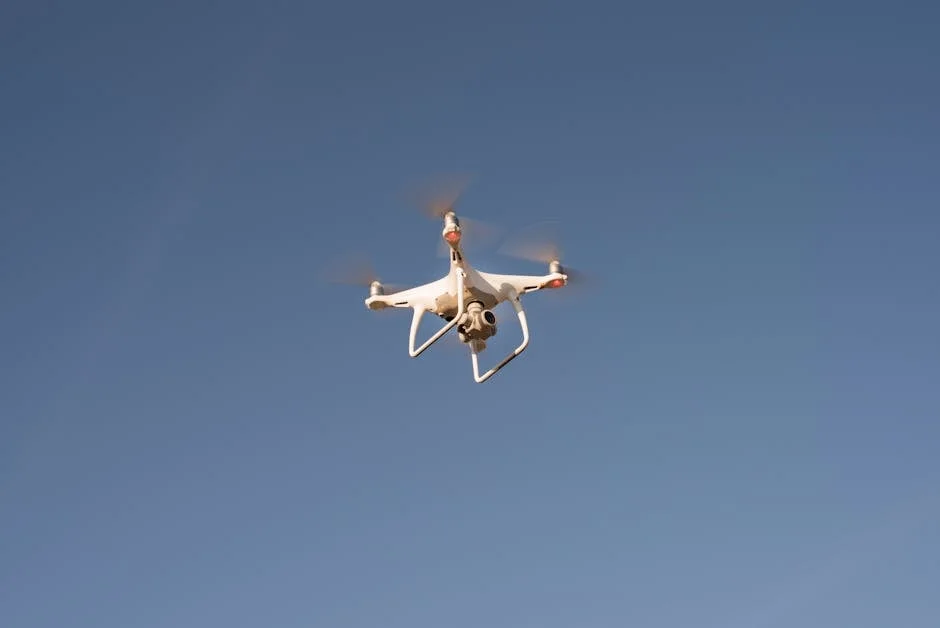
Stealth technology remains the core differentiator for this platform. The airframe utilizes composite materials and a unique wing-body fusion to scatter radar waves. Such design choices are expensive but necessary for penetrating modern air defence networks. The Indian Air Force expects the Ghatak to operate effectively at both high and low altitudes.
This technical leap requires significant investment in manufacturing infrastructure. Indian defence public sector units are upgrading their production lines to handle precision composite laying. These upgrades create immediate demand for high-quality raw materials and specialized engineering labor. The supply chain for the Ghatak is becoming a key driver for domestic industrial growth.
Impact on the Regional Defence Market


The introduction of the Ghatak disrupts the existing balance of trade in South Asian defence markets. Neighboring countries must now reassess their aerial capabilities to counter this new threat. This reassessment leads to increased defence spending across the region. Investors in the defence sector should monitor procurement announcements from Pakistan and Bangladesh closely.
Pakistan is likely to accelerate its own unmanned aerial vehicle programs. The country may increase reliance on Chinese technology or fast-track domestic designs to match Indian capabilities. This arms race creates opportunities for defence contractors in Islamabad. Companies involved in radar systems and surface-to-air missiles will see heightened demand.
Bangladesh and Sri Lanka face different strategic calculations. These nations may opt for a mix of stealth fighters and advanced drones to optimize cost-efficiency. The Ghatak forces them to diversify their aerial assets rather than relying solely on legacy fighters. This diversification opens doors for international defence exporters looking for new clients in South Asia.
Economic Implications for Indian Industry
The Ghatak project serves as a catalyst for the Made in India defence initiative. It encourages deeper integration between private sector innovation and public sector manufacturing. This collaboration reduces the country's long-term dependency on foreign imports. A more self-reliant defence sector strengthens the Indian rupee and improves the trade balance.
Private defence companies are securing larger contracts for subsystems and components. Firms specializing in avionics, propulsion, and stealth coatings are seeing revenue growth. This trickle-down effect boosts employment in engineering hubs like Bangalore and Hyderabad. The economic benefit extends beyond the factories to the broader service sector.
Export potential represents a significant economic upside for India. The Ghatak could become a flagship product for Indian defence exports. Countries in the Middle East and Southeast Asia are actively seeking cost-effective stealth platforms. Successful exports would generate foreign exchange and solidify India’s status as a top-tier defence supplier.
Supply Chain Resilience and Cost Efficiency
A robust supply chain is critical for the Ghatak’s long-term economic viability. India is focusing on localizing the production of carbon-fiber composites and titanium alloys. Reducing import dependency lowers the unit cost of each drone produced. This cost efficiency makes the Ghatak more attractive to budget-conscious international buyers.
The localization strategy also mitigates risks associated with global supply chain disruptions. Geopolitical tensions often affect the flow of critical defence components. By securing domestic sources, India ensures a steady production rate for the Ghatak. This stability provides confidence to investors looking for long-term returns in the defence sector.
Strategic Shifts in South Asian Air Warfare
The Ghatak introduces a new layer of complexity to aerial combat tactics. Its stealth capabilities allow it to penetrate dense air defence systems with relative ease. Traditional fighters may need to adjust their formation and radar usage to detect this new threat. This tactical shift requires extensive training and investment in sensor technology.
Electronic warfare becomes a crucial component of counter-drone strategies. The Ghatak’s radar signature can be masked by advanced electronic jamming. Nations opposing India must invest in sophisticated electronic warfare suites to maintain air superiority. This creates a new market niche for defence electronics manufacturers in the region.
The psychological impact of stealth drones on ground troops is also significant. The ability to strike with minimal warning changes the tempo of conflict. Commanders must make faster decisions with less information. This dynamic favors nations that can integrate data from multiple sources quickly and accurately.
Investment Opportunities in Defence Technology
Investors should look beyond the prime contractor for the Ghatak. The supply chain offers numerous entry points for capital deployment. Companies producing specialized sensors, data links, and propulsion systems are poised for growth. Diversifying a defence portfolio across these sub-sectors can mitigate risk and maximize returns.
The software and data analytics sector is becoming increasingly important for drone operations. The Ghatak relies on advanced algorithms for navigation and target acquisition. Firms developing artificial intelligence and machine learning tools for defence applications are well-positioned. This tech-defence convergence is a key trend for long-term investors to watch.
Infrastructure development in defence hubs also presents investment potential. Airbases and maintenance facilities need upgrading to accommodate stealth drones. Construction firms and real estate developers in strategic locations can benefit from these upgrades. The ripple effect of defence spending extends into the broader economic landscape.
Future Developments and Regional Responses
The Indian Air Force plans to integrate the Ghatak into its frontline squadrons within the next five years. This timeline creates a window of opportunity for regional rivals to respond. Pakistan and other neighbors will likely announce new procurement deals or technology partnerships. Monitoring these announcements will provide insights into the evolving strategic landscape.
International defence exhibitions will serve as key platforms for showcasing the Ghatak. India aims to use these events to attract foreign buyers and secure joint venture partnerships. Investors should track participation in major shows like the Dubai Air Show and Paris Air Show. These events often reveal new contracts and strategic alliances.
The long-term success of the Ghatak depends on continuous technological upgrades. The drone’s avionics and weapons systems must evolve to counter emerging threats. India’s defence research institutions are already working on next-generation payloads. This commitment to innovation ensures that the Ghatak remains a relevant and formidable asset in South Asian air warfare.
Watch for the first major export deal announcement from New Delhi, which could redefine the competitive landscape for unmanned aerial systems globally.
See Also
- China Launches AI-Powered Barbers — Haircuts Drop Below €1
- Laos Rescues Five Miners After Nine Days Trapped — What Happens Next?
The psychological impact of stealth drones on ground troops is also significant. This tech-defence convergence is a key trend for long-term investors to watch.
What is the latest news about indias ghatak drone reveals new era of south asian air warfare?
Why does this matter for education?
What are the key facts about indias ghatak drone reveals new era of south asian air warfare?