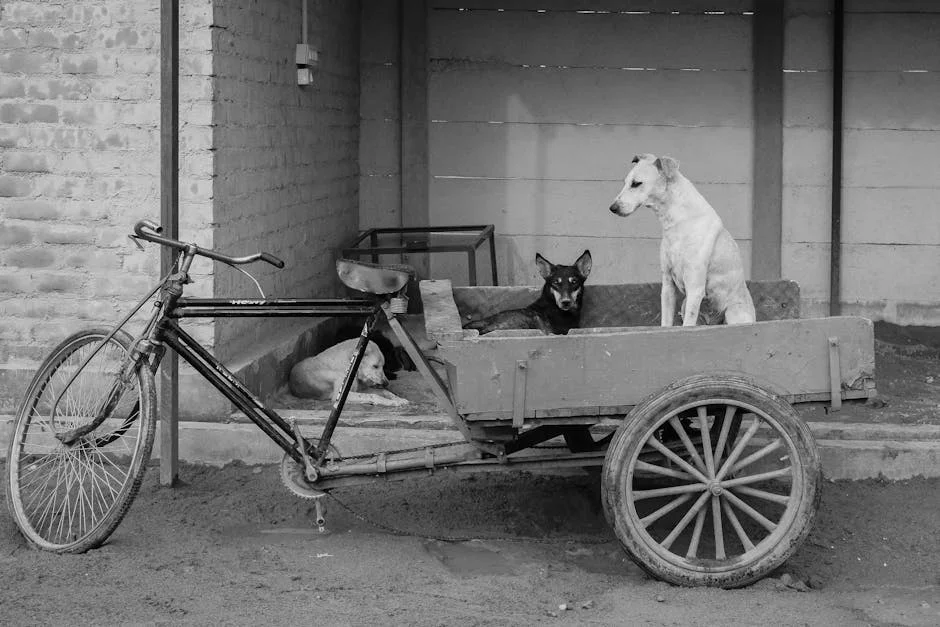
India’s sprawling urban centres are grappling with a canine crisis that extends far beyond public health, emerging as a potent economic disruptor for businesses and investors alike. The conflict between rapid urbanisation and an estimated 60 million stray dogs has created a multi-faceted market reality that demands strategic attention from stakeholders across sectors. This is not merely a social issue; it is a quantifiable drag on productivity, insurance premiums, and consumer confidence in key metropolitan areas.
The Productivity Drain on Urban Workforces
Productivity losses represent the most immediate and measurable economic impact of the stray dog phenomenon. In major economic hubs like Mumbai and Delhi, traffic congestion is exacerbated by dogs wandering onto roads, leading to frequent accidents and delays. The Ministry of Home Affairs has recorded thousands of fatal accidents annually, many involving stray canines crossing highways during peak hours. These delays ripple through the supply chain, increasing logistics costs for e-commerce giants and retail distributors operating in these dense urban corridors.
For the service sector, the cost is even more direct. Office workers in business districts frequently face interruptions when stray dogs enter parks or office complexes, leading to minor injuries and temporary workforce absences. Corporate HR departments in Bangalore and Hyderabad report a steady rise in medical claims related to dog bites, which, while individually small, aggregate into a significant overhead for mid-sized enterprises. This hidden tax on labour efficiency reduces the overall competitiveness of Indian cities compared to regional rivals.
Insurance Markets Face Mounting Liabilities


The insurance industry is witnessing a sharp uptick in claims related to stray dog incidents, forcing insurers to recalibrate their risk models for urban policyholders. Health insurance providers in India have seen a 15% increase in outpatient department claims specifically for rabies prophylaxis and tetanus shots over the last three years. This trend is pushing insurers to introduce specific add-on riders for urban dwellers, effectively raising the cost of living for middle-class families in high-density zones.
Commercial Property and Liability Risks
Beyond individual health policies, commercial property insurance is also feeling the pressure. Shopping malls, hotels, and co-working spaces are increasingly liable for injuries sustained by patrons and employees from stray dogs on their premises. Insurers are beginning to factor in 'canine density' into their risk assessments for new commercial developments. This means that a new office tower in a high-stray area may face higher premiums than an identical building in a better-managed neighbourhood, influencing real estate investment decisions.
Investors in the Indian insurance sector are closely watching these trends as they signal a shift in underwriting strategies. Companies that can develop innovative, data-driven products to manage this specific risk will gain a competitive edge. Conversely, traditional insurers that fail to adapt may see their profit margins erode as claim frequencies outpace premium adjustments. The market is slowly pricing in the 'stray dog risk' as a distinct variable in urban economic modelling.
Retail and Hospitality Sector Disruptions
The hospitality and retail sectors, which rely heavily on footfall and customer experience, are particularly vulnerable to the stray dog crisis. Hotels in tourist-heavy cities like Jaipur and Goa often face complaints from international visitors, who may be less accustomed to the presence of strays. This can impact online ratings and repeat business, which are critical metrics for the competitive hospitality market. Hotels are now investing in enhanced pest control and perimeter management, adding to their operational expenditure.
Retail stores, especially those in open-air markets or street-side locations, face disruptions when dogs scavenge for food or cause minor chaos. This can deter customers, particularly families with young children, from spending extended periods in these commercial spaces. The psychological impact on consumer confidence is subtle but real, influencing how much time and money customers are willing to invest in urban retail experiences. Businesses are responding by creating more enclosed, controlled environments, which increases construction and maintenance costs.
Supply Chain Vulnerabilities
The logistics sector faces unique challenges, with delivery vehicles frequently encountering stray dogs on roads, leading to minor accidents and delays. E-commerce companies, which promise rapid delivery times, find their service level agreements threatened by these unpredictable road conditions. This forces companies to build in buffer times, which can slow down overall turnover rates and increase fuel consumption. The cumulative effect is a slight but persistent inefficiency in the last-mile delivery network, a critical component of India’s booming digital economy.
Investors in logistics and supply chain firms are beginning to account for these micro-delays in their financial projections. While individual incidents may seem minor, the aggregate impact on fleet utilisation and driver productivity is significant. Companies that invest in better vehicle design, driver training, and route optimisation software that accounts for high-stray zones will be better positioned to maintain efficiency. This represents a niche but growing area of technological innovation within the broader logistics market.
The Rise of the Pet Care Economy
Paradoxically, the stray dog crisis has spurred growth in the structured pet care economy. As concerns about rabies and hygiene grow, more urban Indians are opting to adopt and formally register pets, leading to increased spending on veterinary care, premium food, and accessories. The Indian pet care market is projected to reach $1.2 billion by 2025, with a significant portion of this growth driven by the desire for a more controlled and hygienic pet ownership experience. This creates opportunities for investors in veterinary clinics, pet food manufacturers, and grooming services.
Companies like Big Pet Store and Pets Alive have seen robust growth, capitalising on the shift towards professionalised pet care. This trend is not just about convenience; it is a risk mitigation strategy for urban households. By investing in their pets, families are buying peace of mind against the backdrop of a less predictable stray population. This consumer behaviour shift is a clear signal to market analysts that the pet care sector is moving from a luxury niche to a necessity-driven market segment.
Furthermore, the crisis has led to the emergence of new business models, such as dog-walking services and daycare centres, which cater to the time-poor urban professional. These services provide value by managing the dog’s environment, thereby reducing the direct interaction with strays. Investors are increasingly looking at these service-based models as scalable opportunities within the broader consumer discretionary sector. The growth is steady and resilient, offering a hedge against broader economic volatility.
Policy Uncertainty and Investment Risks
Policy decisions regarding stray dog management carry significant economic implications, yet they remain fraught with uncertainty. The Supreme Court of India has issued various directives regarding culling, vaccination, and sterilisation, but implementation varies widely across states. This regulatory inconsistency creates a risk environment for businesses operating in multiple cities. Investors must navigate a complex landscape where local municipal rules can significantly impact operational costs and public perception.
The debate between animal welfare groups and urban planners often leads to sudden policy shifts, such as bans on culling or mandates for vaccination drives. These shifts can have immediate economic consequences, affecting everything from municipal budgets to private sector contracts. For example, a sudden mandate for mass vaccination could create a short-term boom for pharmaceutical companies but also impose a temporary cost burden on municipal corporations. Understanding these policy dynamics is crucial for long-term investment strategies in the Indian urban market.
Investors need to monitor policy developments closely, as they can create both risks and opportunities. A clear, consistent national policy could reduce uncertainty and allow businesses to plan more effectively. Conversely, continued fragmentation could lead to higher compliance costs and operational inefficiencies. The key is to identify which cities are adopting best practices and which are lagging, as this will influence the relative attractiveness of different urban markets for investment.
Real Estate and Urban Planning Implications
The presence of stray dogs is increasingly becoming a factor in real estate valuations. Buyers and renters are showing a growing preference for gated communities and well-managed apartments with effective stray dog control. This preference is driving up prices for properties in areas with better municipal management, creating a premium for 'canine-friendly' or 'canine-controlled' neighbourhoods. Real estate developers are responding by incorporating more green spaces with controlled access and investing in better fencing and landscaping.
Urban planning initiatives that address the stray dog issue can have a positive impact on property values and urban livability. Cities that invest in comprehensive management plans, including sterilisation, vaccination, and public education, are likely to see a boost in their attractiveness to businesses and residents. This can lead to increased tax revenues and a more vibrant local economy. Conversely, cities that neglect the issue may face a slow but steady exodus of businesses and high-income residents, eroding their economic base.
For investors in the real estate sector, the stray dog issue is a subtle but important due diligence factor. It is not just about the physical attributes of a property but also about the quality of the surrounding environment. Properties in areas with well-managed stray populations are likely to command higher rents and experience lower vacancy rates. This trend is likely to continue as urban Indians become more conscious of their living environment and its impact on their quality of life.
Future Outlook and Market Watch
The economic impact of India’s stray dog crisis is likely to grow as urbanisation accelerates. Investors and businesses must prepare for a landscape where canine management is a key component of urban economic health. This involves monitoring policy changes, consumer trends, and emerging market opportunities in the pet care and insurance sectors. The companies that proactively address this issue will be better positioned to capture growth and mitigate risk.
Watch for upcoming municipal budgets in major cities, as they will reveal the level of investment in stray dog management. Also, monitor the performance of pet care companies and insurance providers as they adapt to the changing risk landscape. These indicators will provide valuable insights into the evolving economic dynamics of India’s urban centres. The stray dog issue is no longer just a social concern; it is a market reality that demands strategic attention.
See Also
- China Coal Blast Kills 82 — Markets Face Shock
- Dubai Trader Mr Sony Rehan Fuels Surge in Global Card Collecting Market
Investors must navigate a complex landscape where local municipal rules can significantly impact operational costs and public perception. This trend is likely to continue as urban Indians become more conscious of their living environment and its impact on their quality of life.
What is the latest news about indias stray dog crisis triggers 500m economic drain?
Why does this matter for world-affairs?
What are the key facts about indias stray dog crisis triggers 500m economic drain?