Australia faces a deepening economic and social crisis as a new analysis reveals that 14 homeless individuals die annually in public parks and countryside areas. This stark statistic underscores a systemic failure that extends beyond social welfare, striking directly at the efficiency of the nation’s property markets and labor force. The data exposes how urban planning and housing supply chains are failing to absorb the growing population of the unshouted, creating tangible costs for businesses and investors.
The Economic Burden of Park Living
The death of 14 people a year in places like Sydney’s Hyde Park is not merely a social tragedy; it is a market signal. When homelessness spills from dedicated shelters into prime commercial real estate zones, it affects foot traffic, retail revenue, and property valuations. Investors in the Australian property sector must now account for the "park premium" or "park penalty" depending on how local governments manage these spaces.
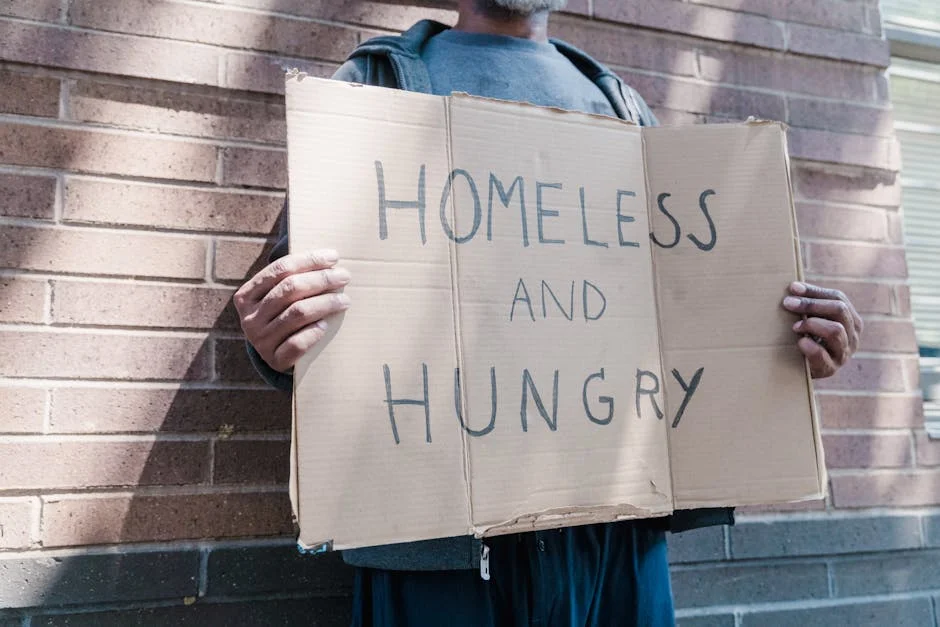
Businesses located near high-visibility homeless encampments often report fluctuating consumer confidence. Retailers in Sydney’s CBD, which borders Hyde Park, have noted that unmanaged public spaces can deter daytime shoppers. This dynamic creates a direct link between social policy and commercial performance. The cost is not just in the price of a bed in a shelter, but in the opportunity cost of underutilized urban land.
Economic models suggest that every dollar spent on preventative housing yields higher returns than reactive healthcare and policing costs. However, current spending patterns often favor short-term fixes over long-term structural solutions. This misallocation of capital affects the broader economy by increasing the tax burden on businesses and reducing the disposable income of middle-class investors. The inefficiency is measurable and growing.
Hyde Park and Urban Real Estate Values


Hyde Park serves as a critical case study for urban economics in Australia. As one of the most valuable pieces of real estate in Sydney, its condition directly influences surrounding property prices. The presence of homeless populations in such high-visibility areas can create volatility in local housing markets. Buyers and renters often factor in perceived safety and cleanliness when making purchasing decisions.
Real estate analysts track these subtle shifts in sentiment. When a park becomes a de facto housing zone, the premium on adjacent apartments may stagnate. Conversely, effective management and integration of social housing nearby can stabilize values. The key is consistency. Investors watch how local councils in New South Wales balance open space accessibility with urban aesthetics and economic utility.
The broader implication for the Australian property market is clear. Urban planning cannot ignore the social fabric. If cities fail to provide adequate housing, the overflow affects the most valuable commercial assets. This creates a risk factor for property investment funds that previously viewed urban parks as purely positive amenities. The narrative is shifting from "green space as value add" to "green space as social infrastructure."
Impact on Commercial Leasing
Commercial leasing agreements are beginning to reflect these social realities. Landlords in Sydney are increasingly including clauses related to local amenity management. Tenants are demanding more control over the immediate environment, which can include funding for park maintenance and security. This shifts some of the fiscal burden from the government to the private sector.
For business owners, this means higher operating costs. These costs are eventually passed on to consumers, contributing to inflationary pressures in key urban centers. The ripple effect is felt across the supply chain, from property management firms to retail brands. It is a clear example of how social issues translate into economic variables.
Investor Perspective on Social Infrastructure
Investors are increasingly scrutinizing the "Follow economy update" regarding social stability. The term "Follow" in this context refers to the trail of economic indicators that track social health. A growing homeless population signals a lag in housing supply relative to population growth. This lag represents a missed investment opportunity and a growing liability for the state.
Private equity firms are looking at affordable housing as a stable yield asset. The crisis in Australia presents a case for public-private partnerships. By investing in modular housing or converted commercial spaces, investors can capture returns while addressing a critical market gap. The demand for housing is inelastic; people need places to live regardless of economic cycles.
However, the risk lies in policy uncertainty. Changes in government can alter subsidies and zoning laws, affecting the profitability of social housing projects. Investors need to monitor legislative trends in New South Wales and other key states. The ability to navigate these regulatory environments will determine the success of capital deployed in this sector.
The economic argument for action is strong. The cost of inaction includes higher healthcare expenditures, increased policing costs, and reduced labor productivity. These are all line items that affect the bottom line for the national economy. Smart capital allocation can mitigate these costs and generate social and financial returns.
Market Reactions and Business Implications
The revelation that 14 people die annually in parks has triggered discussions among corporate leaders in Australia. Companies are recognizing that a healthy society supports a healthy economy. Employee productivity is linked to social stability. When workers live in uncertain housing conditions, their output and engagement can suffer.
Businesses are also facing pressure from consumers who are increasingly socially conscious. Brands that support local housing initiatives or contribute to park maintenance may see improved brand loyalty. This is a new dimension of corporate social responsibility that has direct market implications. It is no longer just about philanthropy; it is about market positioning.
The financial sector is also adjusting. Banks are reviewing lending criteria for properties in areas with high social need. They are assessing the risk of vacancy and depreciation. This careful underwriting process ensures that the housing market remains resilient. It also encourages developers to build with long-term social utility in mind.
Policy Responses and Economic Planning
Government agencies in Australia are under pressure to integrate economic planning with social policy. The current approach often treats housing as a siloed issue. However, the data shows that housing intersects with health, transport, and retail sectors. A holistic approach is needed to maximize economic efficiency.
Local councils in Sydney are experimenting with new models. These include "park and ride" housing solutions and temporary modular units. These innovations aim to reduce the visible impact of homelessness while providing immediate relief. The success of these pilots will inform future national policy. Investors are watching these experiments closely for scalability.
The economic planning process must also consider the long-term demographic trends. Australia’s population is growing, driven by both natural increase and migration. This growth puts pressure on housing supply. If the supply chain does not adapt, the cost of living will rise, affecting consumer spending power. This is a critical variable for macroeconomic forecasts.
Policy makers need to collaborate with the private sector to unlock capital. Tax incentives, land lease agreements, and streamlined approval processes can encourage development. The goal is to create a pipeline of affordable housing that meets market demand. This requires a shift in mindset from viewing social housing as a cost to viewing it as an investment.
Global Comparisons and Lessons
Australia’s situation is not unique, but the scale of the economic impact is significant. Other nations, such as Canada and the United Kingdom, have faced similar challenges. They have implemented various strategies, including rent control and inclusionary zoning. These policies have had mixed results, offering valuable lessons for Australian planners.
The key takeaway is that one-size-fits-all solutions rarely work. Local context matters. In Sydney, the high value of land requires creative use of space. In Melbourne, the rental market dynamics are different. Investors and policy makers need to tailor their approaches to local conditions. This requires detailed data analysis and community engagement.
Global best practices also emphasize the importance of early intervention. Preventing homelessness is cheaper than curing it. This involves supporting at-risk tenants and providing flexible housing options. The economic return on early intervention is high. It reduces the strain on emergency services and healthcare systems. This is a compelling argument for reallocating budget resources.
Future Outlook and Key Indicators
The economic and social landscape in Australia is at a turning point. The data on homeless deaths in parks is a wake-up call. It highlights the need for coordinated action across sectors. Investors, businesses, and policy makers must work together to address the root causes of the crisis.
Key indicators to watch include housing affordability indices, rental vacancy rates, and public spending on social services. These metrics will show whether the current strategies are effective. Investors should monitor these trends to identify opportunities and risks in the property market. The data will guide capital allocation decisions in the coming years.
The path forward requires a balance of compassion and economic pragmatism. By treating housing as a core economic asset, Australia can unlock value and improve social outcomes. This approach benefits everyone, from homeowners to renters, and from local businesses to national investors. The time for action is now.
Readers should monitor the upcoming budget announcements from the New South Wales government for specific funding allocations for park housing initiatives. The details of these budgets will reveal the priority given to social infrastructure and its potential impact on the local real estate market in Sydney.
See Also
- Sandeep Mathur Launches South Coast Railway Zone in Visakhapatnam – Major Economic Boost
- France Unveils Mega LNG Ship in Singapore — A Game Changer for Energy Markets
Global Comparisons and Lessons Australia’s situation is not unique, but the scale of the economic impact is significant. Future Outlook and Key Indicators The economic and social landscape in Australia is at a turning point.