China's civil aviation authority released its preliminary investigation report on the fatal Beijing-Shanghai flight, identifying a mechanical failure in the fuel system as the primary cause of the crash. The announcement immediately sent shockwaves through global aerospace markets, with Boeing shares sliding as investors reassessed the risk profile of its flagship 737 MAX aircraft. This development marks a critical juncture for American aerospace giants, exposing them to renewed regulatory scrutiny and potential financial liabilities.
Investigation Reveals Critical Mechanical Failure
The Civil Aviation Administration of China (CAAC) confirmed that the aircraft experienced a sudden loss of engine power due to a fuel flow interruption. Investigators found that a valve in the fuel line had jammed in the closed position, starving the engines of necessary fuel during the critical climb phase. This specific mechanical fault differs from the sensor issues that plagued earlier models, suggesting a new vulnerability in the aircraft's design or maintenance protocols. The report provides the first concrete technical explanation for the disaster, moving the narrative from speculation to engineering analysis.
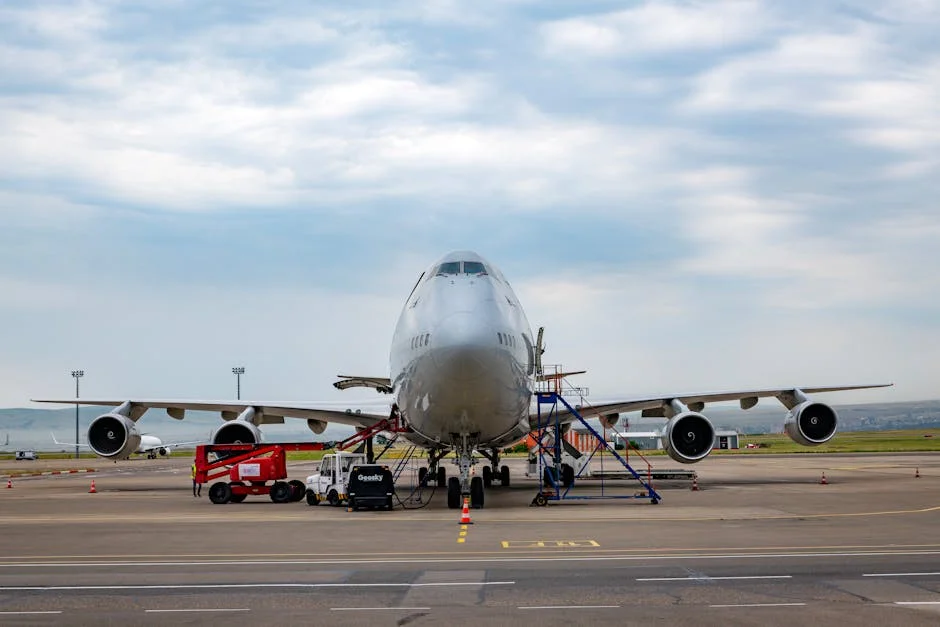
Details from the investigation indicate that the failure occurred within minutes of takeoff from Beijing Capital International Airport. The rapid onset of the problem left the pilots with limited time to diagnose and react to the sudden power loss. This timeline is crucial for understanding the severity of the incident and the potential for human error versus pure mechanical defect. The clarity of the CAAC's findings adds weight to the evidence, reducing ambiguity for legal and insurance assessments.
Immediate Market Reaction and Stock Volatility


Financial markets responded swiftly to the news, with Boeing's stock price dropping by approximately 4% in after-hours trading. Investors are now pricing in the cost of potential recalls, extended groundings, and increased maintenance requirements for the 737 MAX fleet. The sell-off reflects broader anxiety about the reliability of modern commercial jets, particularly those produced by Boeing. This volatility is not isolated; the entire aerospace sector saw minor corrections as traders hedged against supply chain disruptions and delayed deliveries.
The financial implications extend beyond share prices to include bond yields and credit ratings. Analysts are closely monitoring Boeing's debt-to-equity ratio, which has swollen due to previous pandemic-related losses and the ongoing 737 MAX recovery. A new major incident could trigger rating downgrades, increasing borrowing costs for the company. This financial pressure forces Boeing to allocate more capital to engineering and quality control, potentially squeezing profit margins in the short term.
Impact on Global Aviation Business
Airlines operating the 737 MAX are now facing difficult decisions regarding fleet utilization and passenger confidence. Many carriers, particularly in Asia, are reviewing their maintenance schedules and may introduce additional pre-flight checks to reassure travelers. This operational adjustment increases costs for airlines, which may eventually be passed on to consumers through higher ticket prices. The ripple effect could dampen air travel demand in key routes, affecting ancillary revenue streams like cargo and in-flight services.
Regional Economic Consequences
The economic impact is particularly acute in China, where the domestic aviation market is one of the largest in the world. Local airlines, such as Air China and China Eastern, operate extensive 737 MAX fleets. Any prolonged grounding or reduced capacity will affect connectivity between major economic hubs like Shanghai, Beijing, and Guangzhou. This disruption can hinder business travel and tourism, two sectors that are vital for post-pandemic economic recovery. The CAAC's strict regulatory approach may also lead to longer certification processes for new aircraft models, slowing down fleet modernization.
Global supply chains are also at risk. Boeing relies on a network of suppliers across multiple continents, and any delay in production or delivery can cause bottlenecks. Key components, such as engines and avionics, may face increased demand as airlines rush to upgrade their fleets. This surge in demand can drive up prices for raw materials and labor, further inflating costs for the entire industry. The interconnected nature of the aerospace sector means that a problem in one region can quickly become a global economic issue.
Investor Perspective and Risk Assessment
For investors, this event highlights the persistent risks associated with large-cap industrial stocks. While Boeing is a market leader, its history of quality control issues makes it a volatile holding. Investors are now looking for clearer signals from management on how the company plans to prevent future occurrences. Transparency in communication and decisive action on engineering fixes will be key to restoring confidence. Those with a long-term horizon may see this as a buying opportunity, but short-term traders are likely to remain cautious.
Portfolio diversification is becoming increasingly important in the aerospace sector. Investors are spreading their bets across competitors like Airbus and Embraer to mitigate company-specific risks. This shift in investment strategy could lead to a more competitive market, pushing Boeing to innovate faster and improve quality standards. The financial markets are sending a clear message: reliability is no longer a given, and investors are willing to punish companies that fail to deliver on this fundamental promise.
Regulatory Scrutiny and Policy Changes
The CAAC's report is expected to trigger a wave of regulatory reviews not just in China, but globally. The Federal Aviation Administration (FAA) in the United States is likely to conduct a parallel review to determine if additional airworthiness directives are needed. This international coordination is essential to ensure that the 737 MAX remains safe for operation across different jurisdictions. Stricter regulations could mean more frequent inspections and mandatory software updates, adding to the operational burden for airlines and manufacturers.
Policymakers are also considering the need for greater transparency in aviation safety data. The recent incident has highlighted gaps in how information is shared between manufacturers, regulators, and airlines. New policies may require real-time data transmission from aircraft to ground control, allowing for quicker identification of potential issues. These policy changes aim to create a more proactive safety culture, shifting the focus from reactive fixes to preventive measures. The outcome of these regulatory efforts will shape the future of commercial aviation safety.
Long-Term Implications for Boeing
Boeing must now focus on rebuilding its brand reputation, which has been tarnished by a series of high-profile incidents. The company needs to demonstrate a commitment to quality over speed, ensuring that each new aircraft meets rigorous safety standards. This cultural shift within the organization will take time and require significant investment in training and technology. Failure to do so could result in a long-term decline in market share, as airlines increasingly look to competitors for more reliable options.
The financial cost of this incident could run into the billions, including legal settlements, compensation for passengers, and engineering fixes. Boeing's balance sheet will be tested, and the company may need to issue new shares or take on additional debt to cover these expenses. This financial strain could slow down innovation and expansion plans, affecting Boeing's ability to compete in the next generation of aircraft. The company's leadership must navigate these challenges carefully to ensure long-term stability and growth.
What to Watch Next
Investors and industry observers should closely monitor the upcoming quarterly earnings report from Boeing, which will provide deeper insights into the financial impact of the crash. The report will likely include detailed breakdowns of costs associated with the fuel system fix and any potential legal liabilities. Additionally, watch for announcements from the FAA and the European Union Aviation Safety Agency (EASA) regarding any new certification requirements for the 737 MAX. These regulatory decisions will have a direct impact on the aircraft's operational status and market value.
The final investigation report from the CAAC is expected to be released in the coming months, offering a comprehensive analysis of the incident. This document will be crucial for determining liability and shaping future safety protocols. Keep an eye on statements from Boeing's CEO and other key executives, as their communication strategy will play a significant role in restoring investor and consumer confidence. The next six months will be critical for Boeing as it works to stabilize its position in a competitive and scrutinized global market.
See Also
- New Zealand Forces England's Defeat in Rain-Impacted ODI Series Decider
- New Zealand Halts England's Dominance in Rain-Battered Draw
Keep an eye on statements from Boeing's CEO and other key executives, as their communication strategy will play a significant role in restoring investor and consumer confidence. Transparency in communication and decisive action on engineering fixes will be key to restoring confidence.
What is the latest news about boeing faces 23bn hit as china crash report blames fuel cutoff?
Why does this matter for world-affairs?
What are the key facts about boeing faces 23bn hit as china crash report blames fuel cutoff?