Indian exporters are sounding the alarm over a converging set of economic headwinds that threaten to erode profit margins and disrupt supply chains. The simultaneous pressure from United States tariff structures and ongoing geopolitical instability in West Asia has created a complex environment for businesses. Industry leaders argue that these external shocks require immediate strategic adjustments to maintain competitiveness in global markets.

US Tariff Structures Squeeze Indian Manufacturers

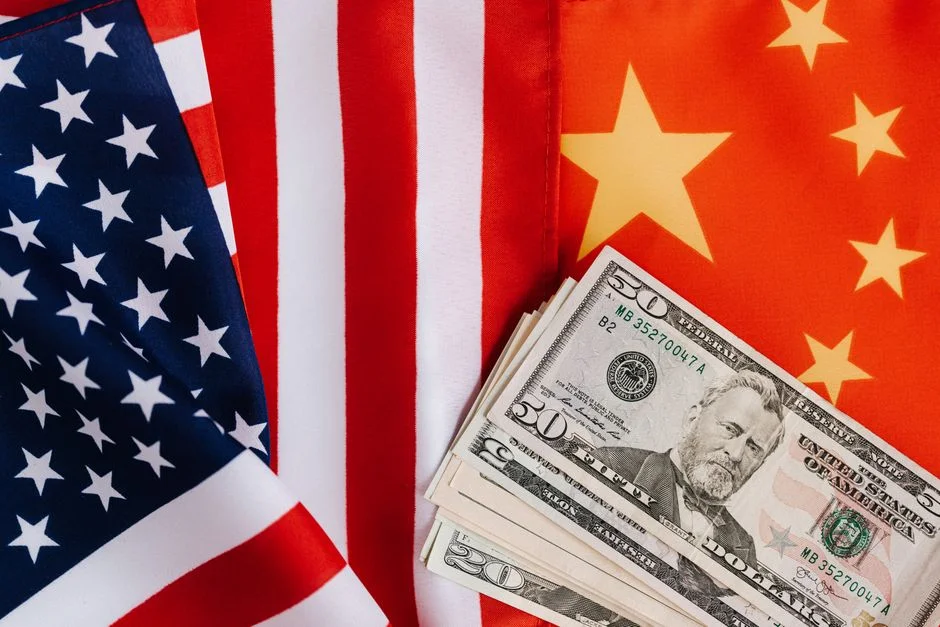
The United States remains one of the largest export destinations for India, accounting for a significant share of the nation's total merchandise exports. Recent adjustments to US tariff policies have directly impacted sectors such as textiles, pharmaceuticals, and engineering goods. These changes are not merely administrative; they represent a structural shift in trade relations that demands careful financial planning from Indian firms.

India Exporters Warn US Tariffs and West Asia Crisis Trigger Revenue Squeeze — Economy Business
Economy & Business · India Exporters Warn US Tariffs and West Asia Crisis Trigger Revenue Squeeze

Manufacturers in Gujarat and Tamil Nadu report that the cost of compliance and the direct impact of tariffs are eating into their net profit margins. Small and medium enterprises (SMEs), which form the backbone of the Indian manufacturing sector, are particularly vulnerable. They lack the economies of scale enjoyed by larger conglomerates, making it harder to absorb sudden cost increases without raising prices or reducing quality.

Investors monitoring the Indian market should pay close attention to the quarterly earnings reports of major export-oriented companies. These reports will reveal how effectively management teams have hedged against currency fluctuations and tariff impacts. A consistent decline in profit margins across multiple sectors could signal a broader slowdown in export-led growth, potentially affecting the broader Indian economy.

West Asia Crisis Disrupts Critical Supply Chains

Beyond tariffs, the geopolitical situation in West Asia has introduced a layer of uncertainty that is difficult to quantify but expensive to manage. The region serves as a crucial logistical hub for trade routes connecting India to Europe and the rest of the world. Any disruption in ports or shipping lanes directly translates into higher freight costs and delayed deliveries for Indian exporters.

Logistical Bottlenecks and Freight Costs

Shipping companies have responded to the volatility by increasing freight rates, a trend that shows little sign of abating in the short term. The Suez Canal, a vital artery for global trade, has seen fluctuating traffic volumes due to security concerns in the Red Sea. This has forced many vessels to take the longer route around the Cape of Good Hope, adding days to transit times and increasing fuel consumption.

For time-sensitive exports such as fresh produce, pharmaceuticals, and electronics, these delays can be costly. Perishable goods may arrive at their destination with a shorter shelf life, while electronic components might face obsolescence if they miss key assembly windows. Indian businesses must therefore factor in these logistical risks when negotiating contracts with international buyers.

The impact extends beyond logistics to insurance costs. War risk premiums for vessels passing through West Asian waters have surged, adding another layer of expense for exporters. These increased costs are often passed on to the end consumer, but in a competitive global market, the ability to raise prices is not always guaranteed.

Market Reactions and Investor Sentiment

Financial markets in Mumbai have reacted with a degree of caution to these dual pressures. The Indian Rupee has experienced fluctuations against the US Dollar, influenced by both trade dynamics and global risk sentiment. A weaker Rupee can help exporters by making their goods cheaper for foreign buyers, but it also increases the cost of imported raw materials, creating a mixed bag for manufacturers.

Foreign institutional investors (FIIs) are closely watching how Indian companies navigate these challenges. The resilience of the Indian corporate sector has been tested by various global shocks in recent years, but the combination of tariffs and geopolitical instability is unique. Investors are looking for companies with strong balance sheets, diversified supply chains, and robust hedging strategies.

Stocks of companies heavily exposed to the US market have seen increased volatility. Analysts suggest that investors should diversify their portfolios to include companies with strong domestic demand drivers, which may be less affected by external trade shocks. This shift in investment strategy could lead to a rotation in the Indian equity market, favoring consumer-facing and infrastructure-related stocks.

Business Strategies for Navigating Uncertainty

Indian businesses are adopting a range of strategies to mitigate the impact of US tariffs and West Asia crises. One common approach is to diversify export markets, reducing reliance on the United States by expanding into Europe, Southeast Asia, and Africa. This geographic diversification helps spread risk and can open up new growth opportunities.

Another strategy is to enhance operational efficiency through technology adoption. Automation and digitalization can help reduce production costs, allowing companies to absorb some of the impact of tariffs without compromising on price competitiveness. Investments in supply chain visibility tools also enable better decision-making in the face of logistical disruptions.

Collaboration between industry bodies and the government is also crucial. The Confederation of Indian Industry (CII) and the Federation of Indian Chambers of Commerce and Industry (FICCI) are actively engaging with policymakers to advocate for favorable trade agreements and support measures for exporters. These efforts aim to create a more conducive business environment and reduce the burden on individual companies.

Economic Implications for the Indian Economy

The cumulative effect of these challenges could have broader implications for the Indian economy. A slowdown in export growth can impact the trade deficit, influence currency values, and affect employment in manufacturing hubs. The government needs to monitor these trends closely and implement targeted policies to support affected sectors.

However, the Indian economy has shown resilience in the face of past global shocks. Strong domestic demand, a growing middle class, and ongoing infrastructure development provide a solid foundation for growth. The key is to leverage these strengths while addressing the vulnerabilities exposed by the current external pressures.

Policymakers are also exploring ways to boost domestic manufacturing and reduce reliance on imports in key sectors. Initiatives such as the Production Linked Incentive (PLI) scheme aim to attract foreign investment and enhance the competitiveness of Indian products. These long-term strategies are essential for building a more robust and diversified economy.

What to Watch Next

Investors and businesses should closely monitor the upcoming US-India trade negotiations and any announcements regarding tariff adjustments. The outcome of these discussions will provide clarity on the future trade relationship and help companies plan their strategies accordingly. Additionally, monitoring geopolitical developments in West Asia will be crucial for anticipating potential supply chain disruptions.

The next quarterly earnings reports from major Indian exporters will offer valuable insights into how companies are coping with these challenges. Look for trends in profit margins, revenue growth, and strategic initiatives such as market diversification and cost optimization. These indicators will help gauge the resilience of the Indian export sector and its ability to navigate the current economic landscape.

Poll
Do you believe the authorities will respond adequately?
Yes77%
No23%
203 votes
R
Author
Rachel Tan is a senior business and financial reporter with over a decade covering Singapore's economy, capital markets, and Southeast Asian trade dynamics. Previously based in Hong Kong, she brings a regional perspective to local market stories.