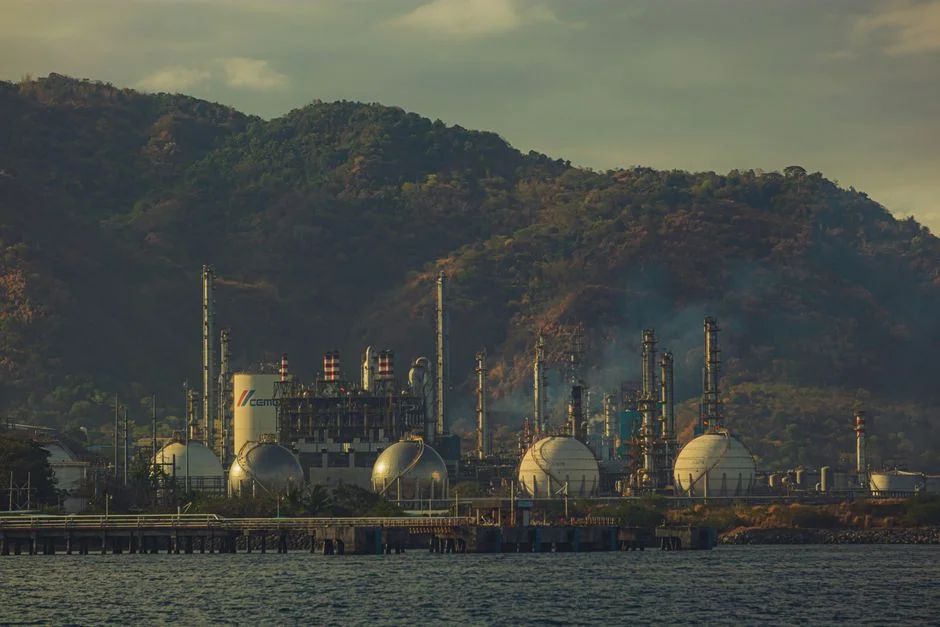
On April 29, the cost of LPG cylinders in major Indian cities such as Delhi and Mumbai saw an increase, creating a ripple effect that could influence both domestic markets and international investors. The price set for a 14.2 kg domestic cylinder in Delhi has risen to INR 1,103, while in Mumbai, it is slightly lower at INR 1,102.
These changes come amid a backdrop of shifting energy policies and international market dynamics, particularly those involving oil-producing nations like Iran. Given India's significant reliance on LPG for both domestic and commercial purposes, these price adjustments are set to have wide-reaching consequences.
Impact on Indian Markets and Businesses
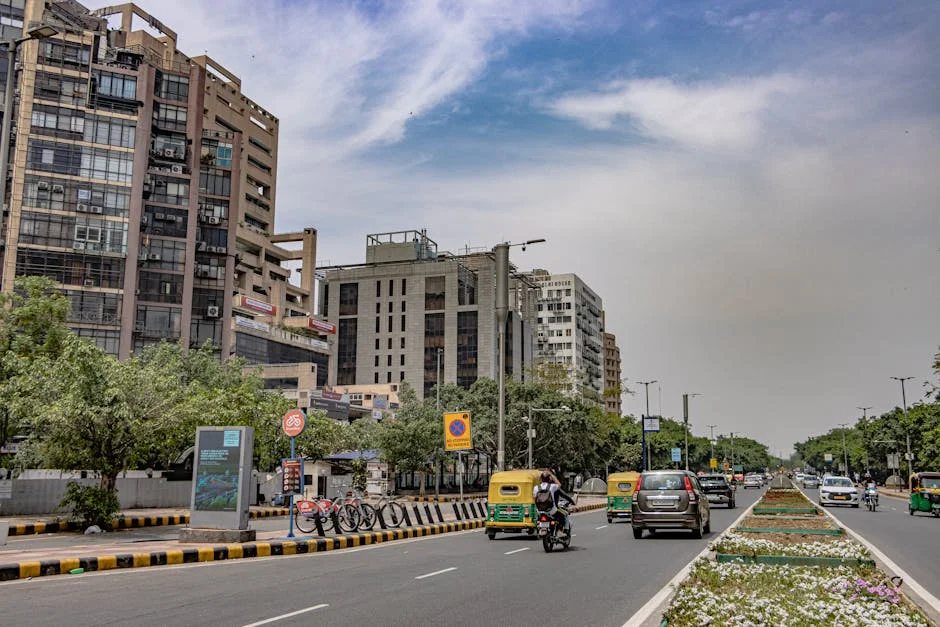
Businesses in India, particularly in the hospitality and manufacturing sectors, are likely to face increased operational costs due to the LPG price hike. For industries that rely heavily on energy, such as food services and small manufacturing, the increased fuel cost could squeeze profit margins and potentially lead to higher prices for consumers.
The Indian Oil Corporation, the main supplier of LPG in India, is closely monitoring these developments. They have stated that adjustments are influenced by global crude oil prices and the exchange rate between the Indian Rupee and the US Dollar.
Investor Reactions and Economic Implications
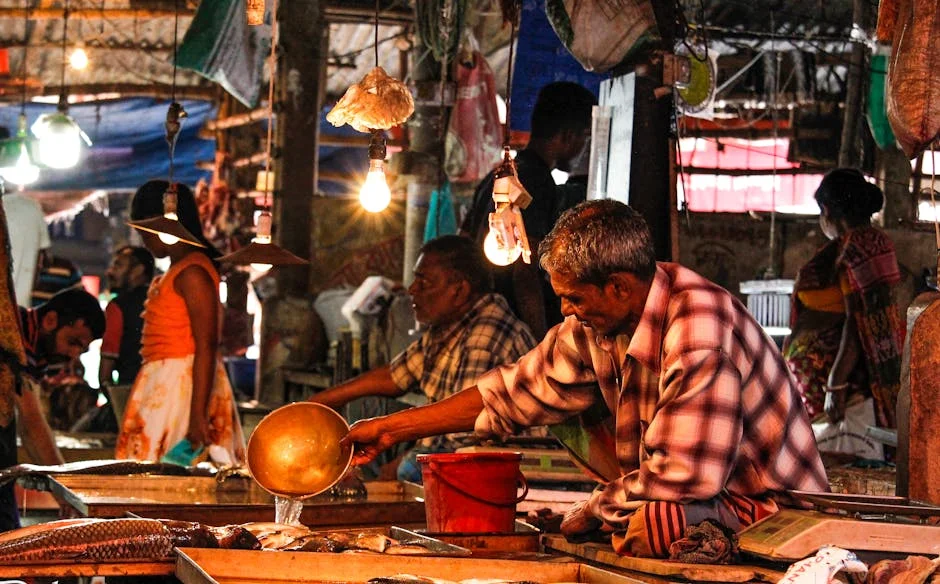

Investors in energy and related sectors are watching these developments closely. The price increase not only affects the cost structure for businesses but also signals potential inflationary pressures in the Indian economy. This could lead to shifts in investor sentiment, impacting stock indices and investment flows.
Potential Impact on Singapore
Singaporean investors and businesses with ties to the Indian market may need to reassess their strategies. The energy price increase could have knock-on effects on supply chains and pricing for goods exported to and from India. Understanding the broader implications of these price hikes is crucial for maintaining competitive advantage.
Global Energy Market Dynamics
The decision to adjust LPG prices is partially influenced by the complex global energy market. Countries like Iran, which have a significant impact on oil prices, play a critical role in these dynamics. As sanctions and geopolitical tensions fluctuate, markets respond with price adjustments that are felt worldwide.
The OPEC+ alliance's production decisions also contribute to these fluctuations. With energy markets being highly interconnected, changes in one region can have unexpected effects on others, including Singapore.
What to Watch Next
As the situation develops, businesses and investors should keep an eye on further announcements from the Indian Oil Corporation and any changes in international energy policies. Additionally, upcoming OPEC+ meetings and geopolitical developments involving major oil-producing nations will be significant. Understanding these factors will be key to navigating the economic landscape in the coming months.
See Also
- South Africa's Fuel Crisis Sparks Market Turmoil — and SG Investors Take Notice
- Coal India Triggers Rs 19,000 Crore Bids on Day 1 of OFS — What’s Next?
Countries like Iran, which have a significant impact on oil prices, play a critical role in these dynamics. Additionally, upcoming OPEC+ meetings and geopolitical developments involving major oil-producing nations will be significant.