As fuel prices soar globally, major airlines are grappling with increased operational costs, driving them to reassess their strategies. This shift comes as the energy market faces volatility partly due to geopolitical tensions between Israel and other nations. The impact is already evident in the United States, where airlines are implementing measures to mitigate costs, potentially affecting market dynamics significantly.
Airlines' Responses to Fuel Price Increases
In response to the surge in fuel prices, several airlines have announced changes to their operational strategies. American Airlines, for instance, has opted to adjust its flight schedules to optimise fuel usage. Meanwhile, Delta Airlines is considering fuel surcharges on specific routes to offset costs.
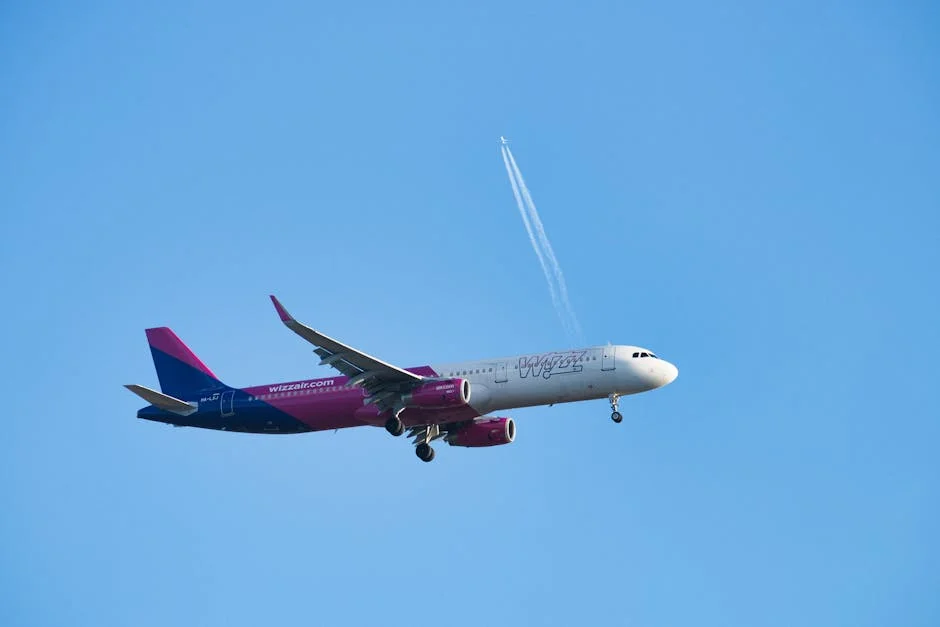
This trend is not isolated to the US. In Singapore, local carriers are also exploring similar options. Singapore Airlines has hinted at possible fare adjustments, which could influence consumer demand and, consequently, affect their market share and revenue forecasts.
Global Economic Context and Fuel Price Drivers


Geopolitical Tensions
The increase in fuel prices is largely driven by geopolitical factors, including the ongoing tensions involving Israel. These tensions have disrupted the oil supply chain, causing price fluctuations. The Organisation of Petroleum Exporting Countries (OPEC) has reported a 5% increase in crude oil prices over the last quarter.
Impact on Global Markets
As fuel prices climb, the ripple effect is felt in various sectors. For businesses, particularly those in transportation and logistics, operating costs are rising. This trend is expected to lead to higher consumer prices, impacting inflation rates globally.
Investors are closely monitoring these developments, as airline stocks may fluctuate based on fuel price trends. Companies with stronger hedging strategies may be better positioned to weather the storm.
Implications for Singapore's Market
The situation holds particular relevance for Singapore, a key aviation hub in Asia. As airlines adjust their pricing and operational strategies, the Singaporean market could witness shifts in consumer travel patterns, potentially affecting the local economy's growth trajectory.
Moreover, the potential introduction of fuel surcharges could influence demand for air travel to and from Singapore, impacting tourism and associated industries. Investors with stakes in Singaporean airlines and related sectors should consider these factors when making investment decisions.
Looking Ahead: What to Watch
Moving forward, stakeholders will be keenly observing the developments in geopolitical tensions and their effect on oil prices. Key upcoming events include an OPEC meeting next month, where production targets might be adjusted, potentially stabilising prices.
Investors should watch for announcements from airlines regarding fare changes and strategic shifts. Additionally, monitoring inflation reports and economic data releases will provide insights into broader market impacts. These factors will be critical in making informed investment decisions in the volatile aviation sector.
Frequently Asked Questions
What is the latest news about rising fuel costs force airlines to rethink strategies what it means for investors?
As fuel prices soar globally, major airlines are grappling with increased operational costs, driving them to reassess their strategies.
Why does this matter for economy-business?
The impact is already evident in the United States, where airlines are implementing measures to mitigate costs, potentially affecting market dynamics significantly.Airlines' Responses to Fuel Price IncreasesIn response to the surge in fuel prices, se
What are the key facts about rising fuel costs force airlines to rethink strategies what it means for investors?
Meanwhile, Delta Airlines is considering fuel surcharges on specific routes to offset costs.This trend is not isolated to the US.
This trend is expected to lead to higher consumer prices, impacting inflation rates globally.Investors are closely monitoring these developments, as airline stocks may fluctuate based on fuel price trends. Companies with stronger hedging strategies may be better positioned to weather the storm.Implications for Singapore's MarketThe situation holds particular relevance for Singapore, a key aviation hub in Asia.