An acid attack in Jakarta has shocked Indonesia, evoking memories of the brutality seen during the Suharto era. The incident, occurring last week, has raised alarms about potential instability, impacting market perceptions and investor confidence both domestically and internationally.
Historical Context and Current Implications
The acid attack, targeting a prominent journalist, has drawn comparisons to the oppressive tactics associated with the Suharto regime, which ended in 1998. During that period, political unrest and human rights abuses were rampant, causing economic volatility. The re-emergence of such brutal tactics now raises concerns about the political environment in Indonesia, a country pivotal to Southeast Asian economic dynamics.
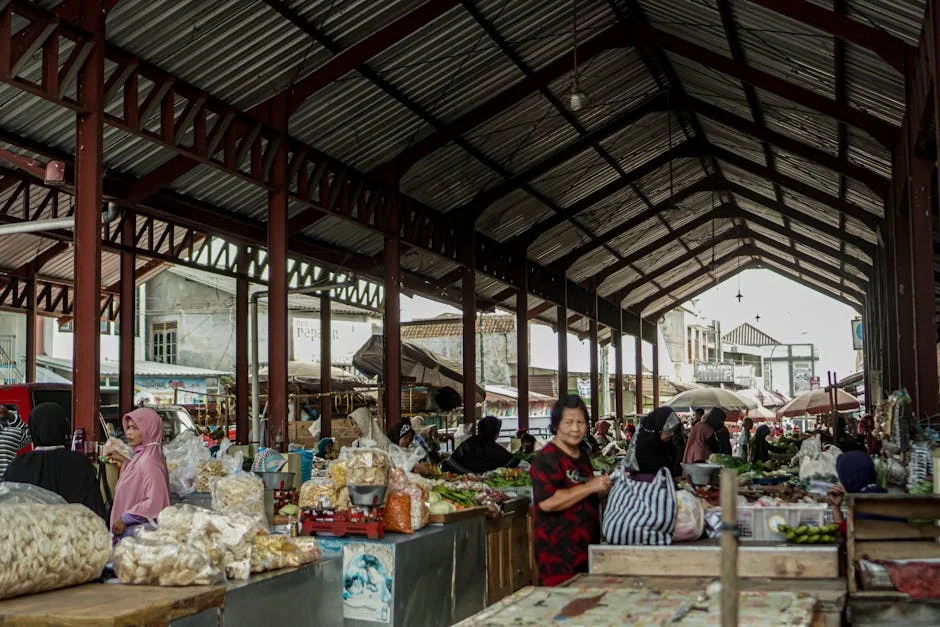
Indonesia's economic stability is crucial, as it holds a significant position in the Association of Southeast Asian Nations (ASEAN). Instability in the region could have ripple effects, potentially affecting markets in neighbouring countries such as Singapore, which heavily invests in Indonesian industries.
Market and Business Reactions

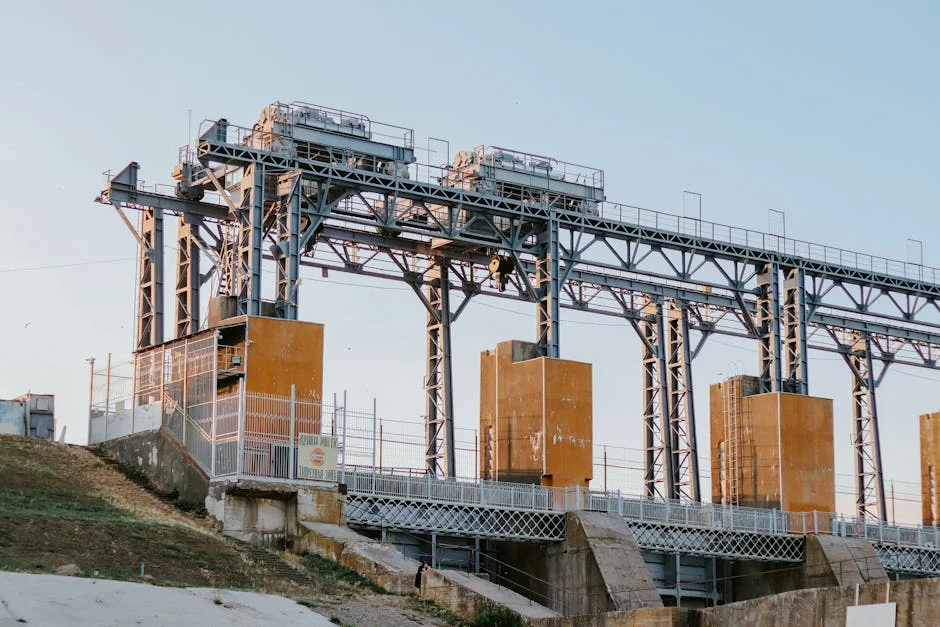
In the wake of the attack, there have been noticeable fluctuations in the Jakarta Composite Index, which dropped by 1.5% the day after the incident. Investors are wary of the potential for increased unrest and its implications on business operations and economic policies.
Singaporean businesses, with substantial investments in Indonesia, are particularly concerned. The country's role as a regional hub for business and finance means that any instability could deter further investment, affecting sectors like manufacturing, finance, and tourism.
Investor Sentiment and Economic Forecast
Investors are closely monitoring the situation, assessing whether this incident will lead to broader social unrest or policy changes. The Indonesian government has been quick to condemn the attack, with President Joko Widodo pledging to maintain stability and ensure justice.
Analysts from DBS Bank in Singapore emphasize the need for investors to stay informed about political developments in Indonesia. They warn that prolonged instability could lead to capital flight or reduced foreign direct investment, impacting regional economic growth.
What to Watch Next
As the investigation into the attack continues, the international community will be watching Indonesia's response closely. The government's ability to address the situation effectively will be crucial in restoring confidence. Investors and businesses should keep an eye on political signals and economic indicators coming out of Jakarta in the coming weeks.
In Singapore, companies with Indonesian ties should prepare contingency plans to mitigate potential risks from any future political or economic disruptions. Maintaining open communication with local partners and staying updated on policy changes will be essential strategies moving forward.
See Also
- Wyatt Russell Dives Into Lake Erie Over Sabres Bet
- Mzansi's Property Boom Adds 150,000 Homes to R500k+ Market in 5 Years
The Indonesian government has been quick to condemn the attack, with President Joko Widodo pledging to maintain stability and ensure justice.Analysts from DBS Bank in Singapore emphasize the need for investors to stay informed about political developments in Indonesia. They warn that prolonged instability could lead to capital flight or reduced foreign direct investment, impacting regional economic growth.What to Watch NextAs the investigation into the attack continues, the international community will be watching Indonesia's response closely.