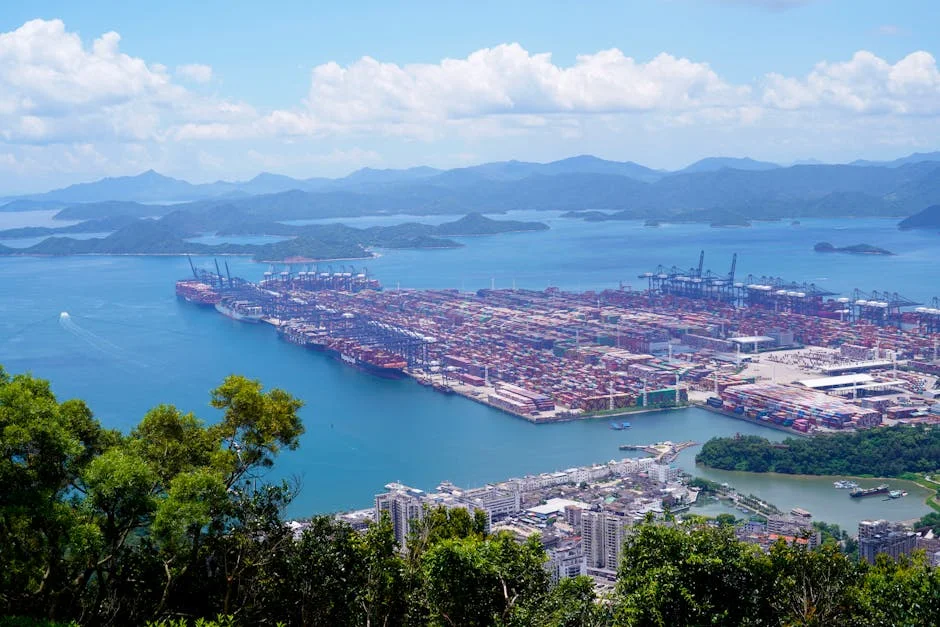
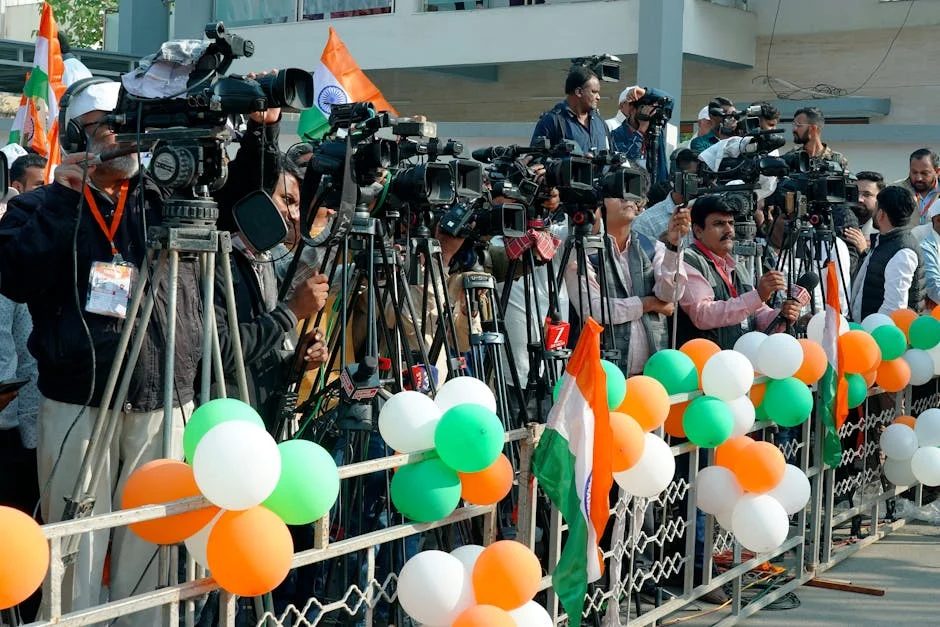
Donald Trump’s candid assessment of Jimmy Lai’s legal fate has sent ripples through Asian financial markets, highlighting the enduring leverage Beijing holds over regional business stability. The former US president’s remark that he does not feel optimistic for the media mogul follows high-level diplomatic exchanges with Chinese leader Xi Jinping. This interaction underscores how political rhetoric in Washington and Beijing directly influences investor sentiment in Singapore and beyond. Markets are reacting to the perceived consolidation of power and the potential for further economic statecraft.
Political Rhetoric Meets Market Reality
The comment regarding Jimmy Lai is not merely a personal observation but a signal of geopolitical alignment. Trump’s statement suggests a pragmatic approach to US-China relations, where economic interests often outweigh human rights considerations. For investors in Singapore, this signals a potential shift in how US policy might treat Chinese state-owned enterprises and their regional subsidiaries. The market interpretation is that Beijing’s influence remains unchallenged, at least in the short term.

Financial analysts in London and New York are closely monitoring how this diplomatic tone translates into trade policies. The uncertainty surrounding high-profile figures like Lai creates a risk premium for assets tied to the Hong Kong Special Administrative Region. This premium can lead to volatility in equity markets, affecting everything from property developers to financial services firms. The connection between political statements and stock prices is direct and often immediate.
Impact on Singapore’s Financial Hub Status
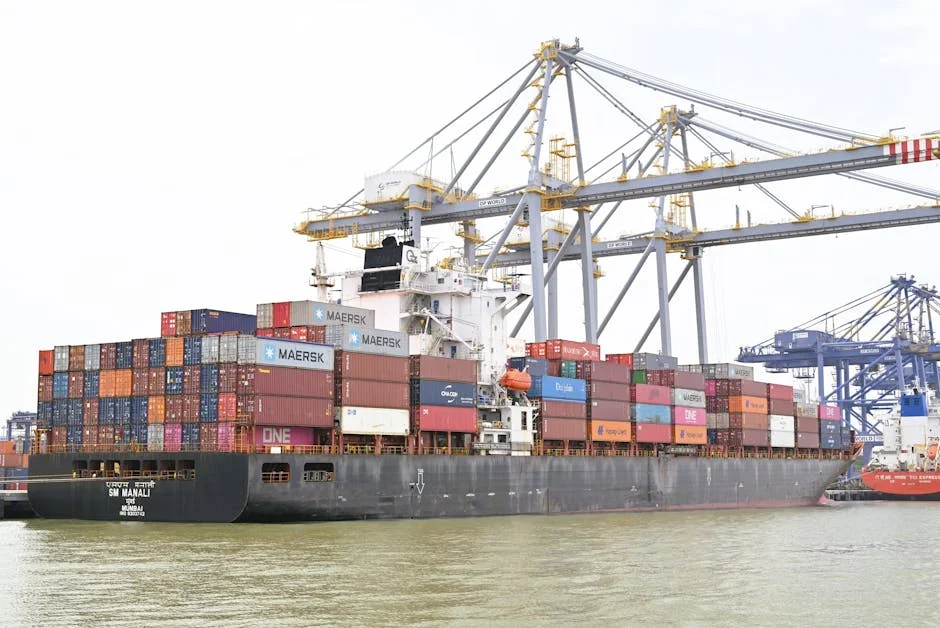
Singapore’s economy is deeply intertwined with regional stability, making it highly sensitive to shifts in US-China dynamics. The city-state serves as a primary gateway for foreign capital entering Greater China. When political tensions rise, or when diplomatic signals become ambiguous, capital flows can become erratic. This volatility affects the Singapore dollar and the broader liquidity in the local banking sector. Investors must remain vigilant about how these geopolitical nuances impact their portfolios.
The recent developments explain why many multinational corporations are diversifying their supply chains. This strategy, often referred to as "China plus one," gains momentum when political risks appear to increase. Singapore benefits from this trend as companies seek a stable legal framework and strategic location. However, the effectiveness of this strategy depends on the continuity of diplomatic relations. Any sudden shift in US policy could alter the trajectory of regional investment.
Capital Flows and Currency Volatility
Capital flows into Singapore have remained robust, but the composition of these funds is changing. More capital is moving into defensive assets, such as government bonds and blue-chip equities. This shift reflects a broader risk-off sentiment triggered by geopolitical uncertainty. The Singapore dollar has shown resilience, but its strength is partly due to the Monetary Authority of Singapore’s proactive intervention. Investors should watch for any signs of capital flight from the region.
Currency markets are particularly sensitive to diplomatic cues. The US dollar’s strength often correlates with perceptions of global stability. If Trump’s comments signal a more transactional approach to China, the dollar may strengthen further. This would put pressure on emerging market currencies, including the Singapore dollar. The interplay between these currencies affects export competitiveness and import costs for local businesses.
Business Implications for Regional Corporations
Regional corporations face a complex landscape where political loyalty and economic efficiency must be balanced. Companies with significant exposure to Hong Kong and mainland China are reassessing their risk profiles. The case of Jimmy Lai serves as a cautionary tale for media and tech companies operating in the region. Legal certainty is a key factor in investment decisions, and any perceived erosion of judicial independence can deter foreign direct investment.
Businesses in Singapore are adapting by enhancing their compliance frameworks and diversifying their revenue streams. This proactive approach helps mitigate the risks associated with geopolitical shifts. However, the cost of doing business may increase as companies invest in legal and strategic advisory services. The bottom line for many firms is that political risk management has become a core competency. This shift requires significant resources and strategic foresight.
Investor Sentiment and Market Volatility
Investor sentiment is a leading indicator of market trends. The recent comments from Trump have introduced a new layer of uncertainty for asset managers. This uncertainty can lead to increased trading volumes and wider bid-ask spreads. For retail investors, this means higher transaction costs and potentially lower returns. Professional investors are using options and futures to hedge against potential downside risks.
The volatility in Asian markets is not isolated to Hong Kong. Spillover effects are visible in markets across the region, including Tokyo, Seoul, and Sydney. These markets are interconnected through trade and investment flows. A shock in one market can quickly propagate to others. Investors need to monitor these cross-market correlations to manage their portfolio risk effectively. Diversification remains a key strategy in this environment.
Geopolitical Risks and Economic Outlook
The geopolitical risks facing the Asian economy are multifaceted. Trade wars, technological decoupling, and diplomatic tensions all contribute to a complex risk landscape. The interaction between Trump and Xi is a microcosm of these broader trends. For policymakers in Singapore, the challenge is to maintain neutrality while securing economic interests. This balancing act requires diplomatic skill and economic resilience.
Economic forecasts for the region are being revised to account for these political variables. Growth projections may be lowered if trade barriers increase or if investment flows slow down. The impact on GDP growth could be significant, depending on the duration and intensity of the tensions. Policymakers need to be prepared to implement fiscal and monetary measures to stabilize the economy. The flexibility of the Singaporean economy is an asset in this context.
Strategic Responses for Investors
Investors must adopt a strategic approach to navigate this uncertain environment. This involves a thorough analysis of geopolitical risks and their potential impact on different asset classes. It also requires a flexible investment strategy that can adapt to changing market conditions. Investors should consider increasing their allocation to defensive assets and reducing exposure to high-risk sectors. This approach helps preserve capital during periods of volatility.
Diversification across geographies and sectors is essential. Investors should look beyond traditional markets and consider emerging opportunities in Southeast Asia and India. These regions offer growth potential and relative stability compared to the more volatile markets in East Asia. Additionally, investors should monitor policy developments in Washington and Beijing. These policies can have a profound impact on market dynamics and investment returns.
Looking Ahead: Key Indicators to Watch
The coming months will be critical in determining the trajectory of US-China relations. Investors should watch for further diplomatic exchanges and policy announcements. The outcome of these interactions will provide clues about the future direction of trade and investment policies. Additionally, investors should monitor the performance of key economic indicators, such as GDP growth, inflation, and employment data. These indicators will help assess the resilience of the regional economy.
Market participants should also pay attention to the movements of central banks. The Monetary Authority of Singapore, the Federal Reserve, and the People’s Bank of China will play a crucial role in stabilizing the regional economy. Their policy decisions will influence interest rates, currency values, and liquidity conditions. By staying informed and adaptable, investors can navigate the challenges and opportunities presented by this dynamic geopolitical landscape. The next major diplomatic summit will be a key event to monitor for further signals.
See Also
- Trump’s Pardon of Fani Willis Sparks Legal Fallout
- Opposition Demands Action as Self Accused of Extortion
Looking Ahead: Key Indicators to Watch The coming months will be critical in determining the trajectory of US-China relations. Investor Sentiment and Market Volatility Investor sentiment is a leading indicator of market trends.