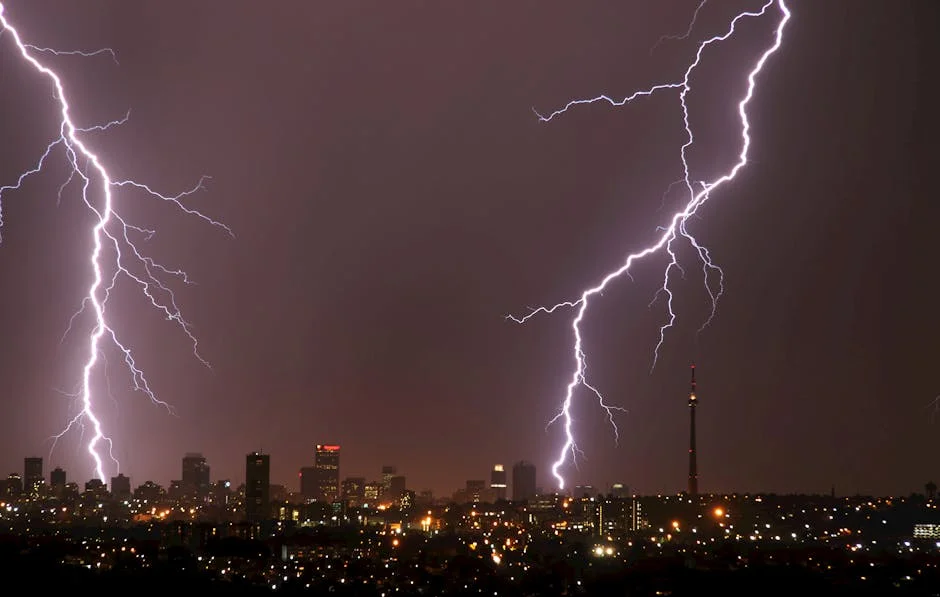
The Weather Service has issued a warning for frost conditions along the Lesotho border and thunderstorms expected in three provinces, set to occur from April 10th to April 12th. This weather alert could have extensive economic ramifications for businesses and investors operating in the region.
Potential Disruptions in Agriculture
Frost is particularly damaging to agriculture, a critical sector for Lesotho's economy. The region, known for its high-altitude farmlands, could see a significant drop in crop yields, impacting local food supply and export revenue. Farmers are being urged to implement protective measures to minimise losses.

Thunderstorms, forecasted in Free State, KwaZulu-Natal, and Eastern Cape, could exacerbate the situation by causing damage to infrastructure and delaying transportation. These disruptions may lead to increased costs for businesses reliant on timely deliveries and could affect supply chains extending into the broader Southern African region.
Market Reactions and Investor Concerns

Commodity Prices and Trading Patterns
The immediate reaction in the markets has seen a rise in the price of agricultural commodities. Wheat futures traded at a premium on the Johannesburg Stock Exchange, reflecting investor concerns over potential shortfalls. This could lead to higher food prices, affecting consumers and inflation rates.
Investors are closely monitoring weather developments, as prolonged adverse conditions could trigger shifts in trading patterns. Businesses with diversified supply chains may look to alternate sources to mitigate risks, while others might face losses if unable to adapt swiftly.
Infrastructure and Economic Implications
The impact of severe weather extends to infrastructure, with potential damage to roads and power lines. The Weather Service's forecast has prompted businesses to review their contingency plans to ensure operational continuity. This includes inspecting facilities for readiness against extreme weather conditions.
Lesotho's government, along with local businesses, will need to allocate resources for potential repairs and recovery efforts, which could strain public finances if disasters occur. This might delay planned infrastructure projects, affecting long-term economic growth prospects.
What to Watch: Economic Resilience and Future Forecasts
Moving forward, stakeholders will be keenly watching the region's ability to withstand and recover from these weather challenges. Investors should monitor updates from the Weather Service for any changes in forecasts that could alter the economic landscape.
The coming weeks will be crucial in assessing the extent of the impact on agriculture and infrastructure, with more detailed reports expected post-event. Businesses and investors will need to remain agile to adapt to evolving conditions, with potential policy interventions from the government also a possibility to cushion the economic blow.