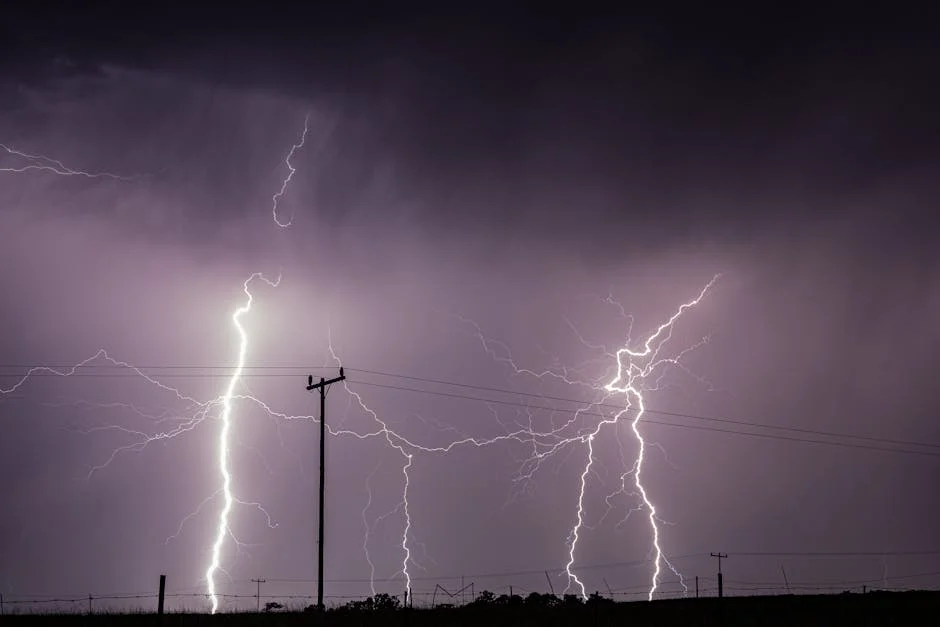
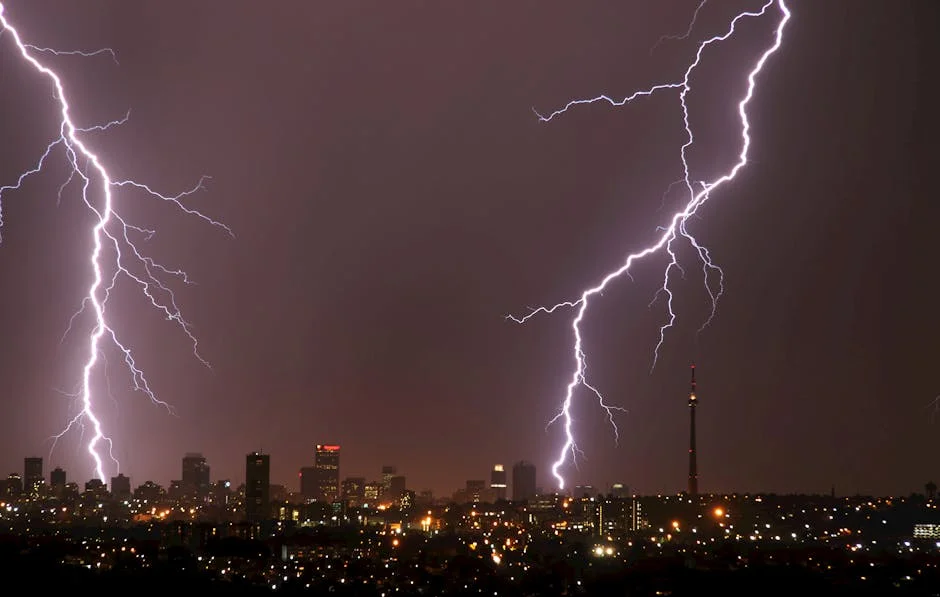
South Africa’s weather authority, the South African Weather Service (SAWS), has issued a severe weather warning, forecasting thunderstorms and heavy rainfall across multiple provinces on Wednesday. The alert, released on April 5, highlights the risk of flash floods, power outages, and disruptions to transport networks. The announcement has sent ripples through local markets and businesses, raising concerns about economic impacts and operational challenges.
Severe Weather Alert Sparks Market Anxiety
The SAWS forecast, which includes Gauteng, KwaZulu-Natal, and the Western Cape, has triggered unease among investors and business leaders. The weather service cited a low-pressure system over the Indian Ocean, which is expected to bring heavy downpours starting Wednesday afternoon. This timing coincides with the start of the financial week, causing uncertainty in stock and commodity markets.
Analysts at Standard Bank noted that the weather could disrupt supply chains and affect agricultural output, particularly in the Western Cape, where vineyards and citrus farms are concentrated. “Agriculture accounts for 2.5% of South Africa’s GDP, and any disruption could lead to short-term price volatility,” said Dr. Thandiwe Mbeki, an economic analyst at the institution.
Businesses Prepare for Disruption
Major retailers and logistics companies have begun implementing contingency plans. Woolworths, one of South Africa’s largest supermarket chains, has advised customers to stock up on essentials ahead of the storm. Meanwhile, transport operators are preparing for potential road closures and delays, particularly in high-risk areas like Johannesburg and Durban.
“We’ve seen similar storms in the past, and they often lead to power outages that affect our operations,” said Sipho Mthembu, CEO of Mthembu Logistics. “We’re deploying additional staff and rerouting deliveries to avoid the worst-affected zones.”
Impact on Agriculture and Food Prices
The agricultural sector is particularly vulnerable. The Western Cape, a key producer of fruits and wine, has already experienced a dry winter, and the coming rains could either provide relief or cause flooding. Farmers are divided on the implications. Some see the rain as a much-needed boost, while others fear it could damage crops and lead to higher food prices.
The South African Farmers’ Association (SAFA) has warned that if the storm causes widespread damage, it could push up food inflation. “We’ve already seen a 3.2% rise in food prices this year, and this could accelerate,” said SAFA spokesperson Noma Dlamini.
Flood Risks and Urban Infrastructure
Urban areas, particularly in Johannesburg and Cape Town, face a heightened risk of flooding due to outdated drainage systems. The City of Johannesburg has issued a public advisory, urging residents to avoid low-lying areas and to stay informed through local radio and social media.
“We’ve seen what happens during heavy rains — streets turn into rivers, and emergency services are stretched,” said Johannesburg Mayor Cilliers Mthembu. “We are mobilizing teams to clear drains and monitor vulnerable areas.”
Investor Concerns and Market Reactions
Stock markets in South Africa have shown mixed reactions to the weather warning. The Johannesburg Stock Exchange (JSE) closed slightly lower on Tuesday, with energy and transport sectors leading the decline. Investors are closely watching how the storm affects supply chains and production, particularly in the mining and manufacturing industries.
“While the weather is a short-term concern, it could signal broader infrastructure challenges that investors need to consider,” said Mark van der Merwe, a portfolio manager at Investec. “This is a reminder that climate risks are becoming more frequent and impactful.”
What to Watch Next
The next 48 hours will be critical as the storm makes landfall. Authorities are urging vigilance, and businesses are preparing for potential disruptions. Investors should monitor crop conditions, energy demand, and logistics updates. By Thursday, the full economic impact will become clearer, and market reactions may shift accordingly.
See Also
- Coach Mokwena Released After Algeria Arrest, Consular Help Secured
- TCS Slashes Jobs, Hikes CEO Pay — Markets React
“This is a reminder that climate risks are becoming more frequent and impactful.” What to Watch Next The next 48 hours will be critical as the storm makes landfall. “We’ve seen what happens during heavy rains — streets turn into rivers, and emergency services are stretched,” said Johannesburg Mayor Cilliers Mthembu.