Lidl has announced the launch of its £400 plug-in solar panel system across Great Britain, marking a major step in the retailer’s push to support household energy independence. The move comes as the UK government accelerates its net-zero goals, with the Department for Business and Energy (BEIS) highlighting the importance of consumer-led renewable energy adoption. The panels, designed for quick installation, are expected to reduce electricity bills by up to 30% for average households.
Market Reactions and Business Implications
The introduction of affordable solar panels by Lidl has sent ripples through the UK energy market. Traditional energy providers, including British Gas and EDF, are now under pressure to offer more competitive green energy plans. According to a recent report by the Energy and Climate Intelligence Unit, the number of households adopting solar power has increased by 22% in the past year, with Lidl’s entry likely to accelerate this trend.
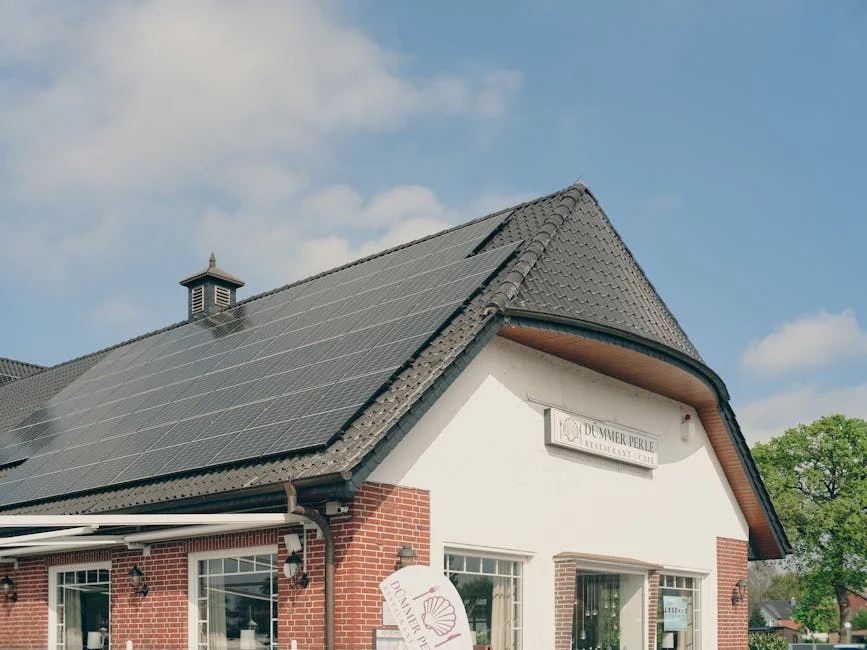
Investors are closely watching the impact on the energy sector. Shares of major energy companies have seen mixed reactions, with some analysts suggesting that the shift toward decentralized energy solutions could reduce the market share of traditional suppliers. “Lidl’s move is a clear signal that the consumer energy market is evolving rapidly,” said Dr. Emily Carter, an energy economist at the University of Manchester.
Consumer Adoption and Economic Impact


The £400 price point for Lidl’s solar panels is a key factor in its potential to boost adoption. Compared to standard solar installations, which can cost thousands of pounds, the plug-in model offers a more accessible entry point for homeowners. The system is designed for easy installation, with no need for professional assistance, making it appealing to tech-savvy consumers.
The economic impact is expected to be significant. A study by the UK Energy Research Centre estimates that widespread adoption of plug-in solar panels could save households up to £150 annually on energy bills. This could also reduce the strain on the national grid, particularly during peak hours, helping to stabilize energy prices across the country.
Government Support and Policy Context
The UK government has been actively promoting renewable energy initiatives as part of its 2050 net-zero target. The Department for Business and Energy (BEIS) has introduced various incentives, including grants for home solar installations and tax breaks for green technology. Lidl’s decision aligns with these policies, positioning the company as a leader in the consumer-driven energy transition.
Minister for Energy and Climate Change, Alok Sharma, welcomed the move, stating, “Lidl’s investment in affordable solar technology supports our vision of a greener, more resilient energy system.” The government has also pledged to streamline the approval process for residential solar projects, further encouraging adoption.
Challenges and Future Outlook
Despite the positive reception, challenges remain. The efficiency of plug-in solar panels is still lower than that of full-scale installations, and their effectiveness depends on factors such as sunlight exposure and roof orientation. Additionally, the long-term reliability of the technology is yet to be fully tested in a wide range of UK weather conditions.
Looking ahead, the success of Lidl’s initiative could influence other retailers to enter the energy market. With the UK’s renewable energy sector growing rapidly, the competition is likely to intensify. Investors and policymakers will be watching closely to see how this development shapes the future of energy consumption in Great Britain.
What to Watch Next
By the end of 2024, Lidl plans to expand the availability of its solar panels to all major cities in GB, including London, Manchester, and Edinburgh. The company has also announced plans to introduce a recycling program for old solar panels, addressing environmental concerns. Meanwhile, the government is expected to release a new energy strategy in early 2024, which may include further incentives for renewable energy adoption.
For investors, the energy sector is becoming increasingly dynamic, with new players like Lidl reshaping the market. Businesses that adapt to the shift toward renewable energy are likely to gain a competitive edge. As the UK moves closer to its net-zero goals, the role of consumer-driven solutions like plug-in solar panels will only grow in importance.
See Also
- OPEC Warns of Oil Supply Crisis as Iran Conflict Hits Middle East Production
- US-Iran War Drives Nifty50 Below 23,600 as Markets Slammed on March 12
What to Watch Next By the end of 2024, Lidl plans to expand the availability of its solar panels to all major cities in GB, including London, Manchester, and Edinburgh. The company has also announced plans to introduce a recycling program for old solar panels, addressing environmental concerns.